How to Navigate Hokkaido by Train in Winter: The Honest JR Pass Guide
Learning how to travel Hokkaido in winter without a car began with a near mistake. I almost bought the wrong rail pass before I even landed. In the end, I covered seven days by train, bus and one taxi ride. Trains handled the snow far better than I expected. Still, winter travel here has rules worth knowing. This guide covers passes, storms, airport transfers and what drivers should expect.
Quick Info
| Info | Details |
|---|---|
| Airport to Sapporo | Rapid Airport train, under 40 minutes |
| Best pass for central Hokkaido | 4-day Sapporo-Furano Area Pass |
| Airport to Niseko | About 3 to 3.5 hours by train, or a direct bus |
| Sapporo to Hakodate | About 4 hours by limited express |
| Where to stay | Hotels close to the train lines |
| Car rental | Compare winter-ready rental cars |
| eSIM | Get data for train apps and maps |

Traveling Hokkaido Without a Car: What Happens When the Snow Storm Hits?
Snow rarely stops Hokkaido completely. However, heavy storms and whiteouts do delay or cancel trains. Mountain and far-eastern routes, such as the Furano and Nemuro lines, suffer most. On those days, JR Hokkaido posts updates on its service information page. So check it every morning before you leave.
Here is how to travel Hokkaido in winter without a car when storms hit. If trains stop, highway buses often keep running between major cities. So they make a solid backup plan. Still, whiteouts can close roads too, so buses are not guaranteed either. Also, leave buffer time between connections, especially before flights. That is the real secret of how to travel Hokkaido in winter without a car.
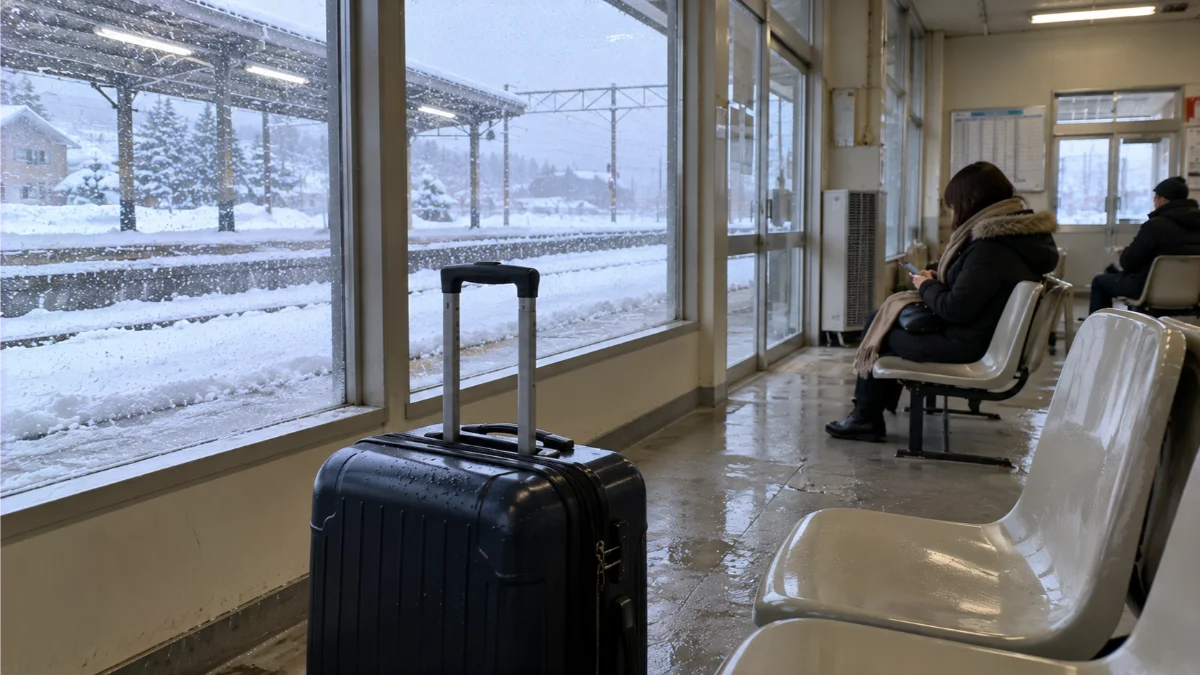
On my way to Asahikawa, heavy snow delayed my express train by about forty minutes. The station filled with people checking their phones. Luckily, I had reserved my seat the day I activated my pass. So I simply waited with a coffee, then boarded and sat down. Meanwhile, others without reservations squeezed into the aisles with their bags. In winter, delays like this are normal, not a disaster. Reserve seats early and leave buffer time between connections. That way, a snowy morning only costs you a coffee break.

JR Hokkaido Rail Pass Winter Review: Which Pass Is Worth It?
Here is my honest JR Hokkaido Rail Pass winter review. The island-wide pass comes in 5, 7 and 10-day versions. Online, they cost around ¥22,000, ¥28,000 and ¥37,000. By contrast, buying at the station usually adds about ¥1,000. Either way, prices change, so check before you book.
For many routes, smaller area passes make more sense. The 4-day Sapporo-Furano Area Pass covers Sapporo, Otaru, Asahikawa, Biei and Furano. Many travelers use it for Asahiyama Zoo and its famous penguin walk. I skipped the zoo for personal reasons, which I explain in my guide for non-skiers.
Also, know what passes do not cover. They exclude the Hokkaido Shinkansen, the Sapporo subway and city trams. For a single Otaru day trip, a regular ticket is often cheaper than any pass. So, how to travel Hokkaido in winter without a car on a budget? Count your long train days first. Then compare passes with single tickets.
I almost bought the 7-day Hokkaido Rail Pass out of habit. Then I sat down and did the math. My train days were Otaru, Asahikawa and Biei, all within four days. So I bought the 4-day Sapporo-Furano Area Pass online instead. It cost me around ¥11,000, less than half the 7-day pass. Buying online also saved me a little compared to the station price. Those were the prices when I booked, and they change. Map out your train days first, then pick the pass that matches.

How to Get from New Chitose Airport to Niseko by Train
So, how to get from New Chitose Airport to Niseko by train? There is no direct train. First, take the Rapid Airport train to Otaru. Then switch to a local train on the Hakodate Line toward Kutchan. Buy your ticket at the airport station, below the terminal. Kutchan is the main station for the Niseko resorts.
In total, the trip takes about three to three and a half hours. However, trains between Otaru and Kutchan run infrequently. The last ones leave early in the evening. So land early, or plan an overnight stop in Sapporo or Otaru.
From Kutchan, local buses run to Hirafu every one to two hours. Alternatively, a taxi costs around ¥2,500 to ¥3,000. Those prices and times were current when I checked, so confirm them before you go. Choosing between Hirafu and Kutchan? Read my guide to where to stay in Hokkaido in winter.
Hokkaido Resort Liner Bus Alternatives in Winter
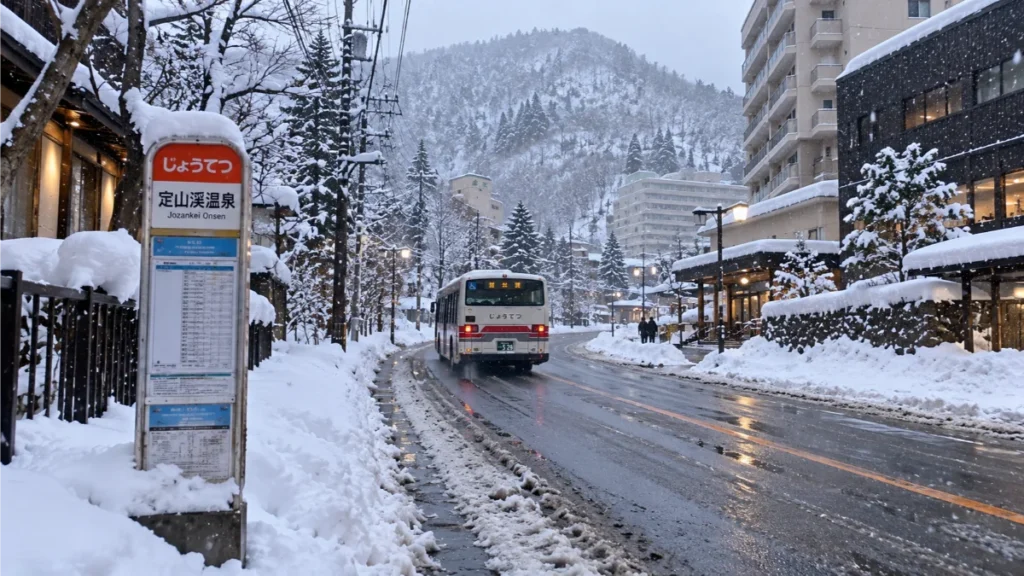
Honestly, direct buses are often easier than the train, especially with ski bags. The Hokkaido Resort Liner usually runs from early December to late March. If it is full, look at Hokkaido Resort Liner bus alternatives in winter. White Liner and Hokkaido Chuo Bus both run direct services to Niseko. Most take about two and a half to three hours. Fares run around ¥5,000 per adult each way. Private transfers cost more, but they suit groups. Book any bus well ahead in peak season, because seats sell out.
Sapporo to Hakodate Train Winter Schedule
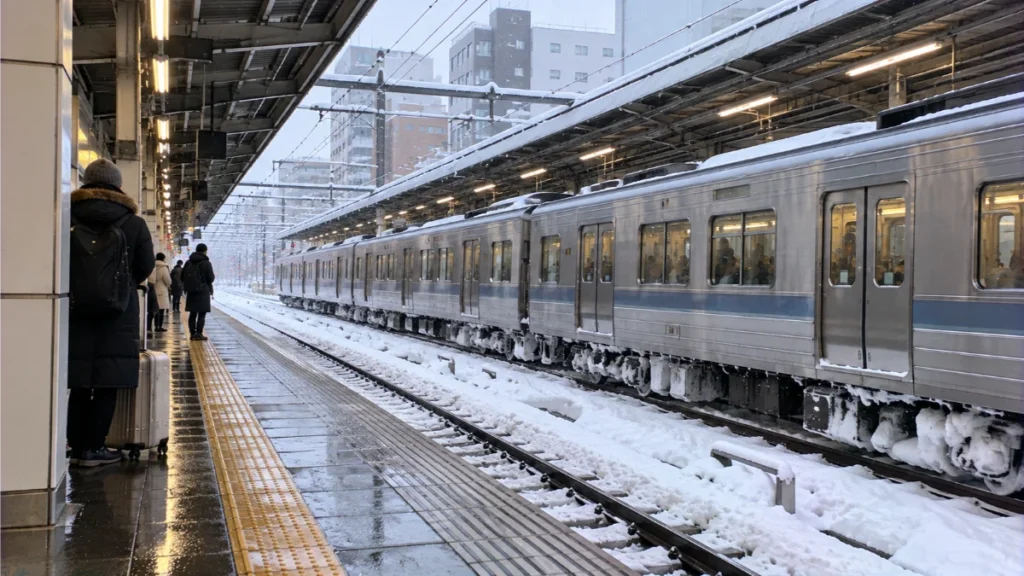
Meanwhile, Hakodate sits in the far south of Hokkaido. The Limited Express Hokuto connects it with Sapporo in about four hours. Luckily, trains run several times a day, even in winter. For the exact Sapporo to Hakodate train winter schedule, check JR Hokkaido’s timetable first.
Reserve your seat early, because Hokuto trains fill up in winter. As for the math, a regular round trip costs slightly less than a 5-day pass. However, add one more long trip, and the pass becomes the better deal. Remember, too, that no JR Hokkaido pass covers the Shinkansen to Hakodate.
One more detail confuses many visitors. The Shinkansen stops at Shin-Hakodate-Hokuto, not in Hakodate city. From there, a short connecting train reaches the city in about 20 minutes. Hokuto trains also stop at both stations.

Driving in Hokkaido Winter Road Conditions
Driving in Hokkaido winter road conditions takes real experience. The biggest danger is black ice, a thin, invisible layer on the road. Typically, it forms on bridges, in shaded corners and near tunnel exits. On ice, braking distances can be several times longer than on dry roads.
Fortunately, rental companies fit winter tires on their cars from autumn to spring. Still, drive slowly and brake early. Since September 2026, roads without a center line have a default limit of 30 km/h. That applies unless signs say otherwise.
On expressways, watch the toll gates carefully. Purple ETC lanes only work with an electronic card. Without one, slow down and use the general lanes instead. Additionally, many rental companies offer a Hokkaido Expressway Pass for foreign visitors.
Outside cities, fill up when your tank is half empty. Rural gas stations can be far apart, and some close early. Also, keep a snow brush in the car for frozen windows.
In cities, however, street parking is not allowed. Instead, use coin parking lots, where a metal flap locks your car until you pay. Expect around ¥400 to ¥600 per hour downtown. Ready to drive? Compare winter-ready rental cars in Hokkaido.

Practical Tips
Buy passes online. Online prices are usually lower than at the station. Then activate your pass at a JR ticket office.
Reserve every seat on day one. As soon as your pass is active, book seats for your whole pass period. Express trains to Asahikawa and Hakodate fill up in winter.
Check service updates each morning. JR Hokkaido posts delays and cancellations online. A quick look saves wasted trips to the station.
Pack a small backup bag. Luggage forwarding can run late during storms. So keep one or two days of essentials with you.
Plan festival transport early. Some event buses have limited seats and no standing room. Here is how I got to the Lake Shikotsu Ice Festival. For easier trips, try my favorite day trips from Sapporo in winter.
Drive only if you are confident on snow. Otherwise, trains and buses cover most routes. Compare rental cars for your Hokkaido trip.
Stay connected. Train apps, maps and translation tools all need data. Set up an eSIM before you arrive. Then follow my 7-day Hokkaido winter itinerary step by step.

FAQ
Can you travel Hokkaido in winter without a car? Yes. Trains and buses reach all major towns. Here is how to travel Hokkaido in winter without a car: reserve seats early. Then leave buffer time for snow delays.
Is the JR Hokkaido Rail Pass worth it in winter? It depends on your route. For central Hokkaido, a cheaper area pass often works better.
How do I get from New Chitose Airport to Niseko? Take the train via Otaru to Kutchan, then a bus or taxi. Alternatively, ride a direct winter bus.
How long is the train from Sapporo to Hakodate? The Limited Express Hokuto takes about four hours. Reserve seats early in winter.
Is it safe to drive in Hokkaido in winter? It is possible, but only for confident snow drivers. Black ice and whiteouts make roads unpredictable.
What happens if trains stop during a snowstorm? Check JR Hokkaido’s service updates. Highway buses between major cities often keep running.