The Ultimate Hokkaido Winter Itinerary: Powder Snow, Onsens & Hidden Villages
My Hokkaido winter itinerary started with a train window full of white. Snow covered the fields, the rooftops and even the power lines. I spent seven days on the island in late February, entirely without a car. Along the way, I made mistakes and changed plans. Still, I already want to go back. Here is the route I followed, plus everything I would tell a friend before booking.
Quick Info
| Info | Details |
|---|---|
| Best time | Mid-January to late February |
| Getting around | How to travel by train without a car |
| Where to stay | My picks from Sapporo to Niseko |
| Guided tour | See Blue Pond lit up with a local guide |
| Car rental | Compare rental cars in Hokkaido |
| eSIM | Get mobile data before you land |
Is Hokkaido Worth Visiting in Winter? My Honest 7-Day Route
So, is Hokkaido worth visiting in winter? Yes, without hesitation. The snow is deep, the onsens are steaming, and the food fits the cold perfectly. However, the island runs on its own clock. Daylight is short, and many places close early.
My route was simple. I spent four nights in Sapporo, with day trips to Otaru and Jozankei. Then I moved to Asahikawa for two nights to see Biei. Finally, I finished at Lake Shikotsu on my way to the airport.
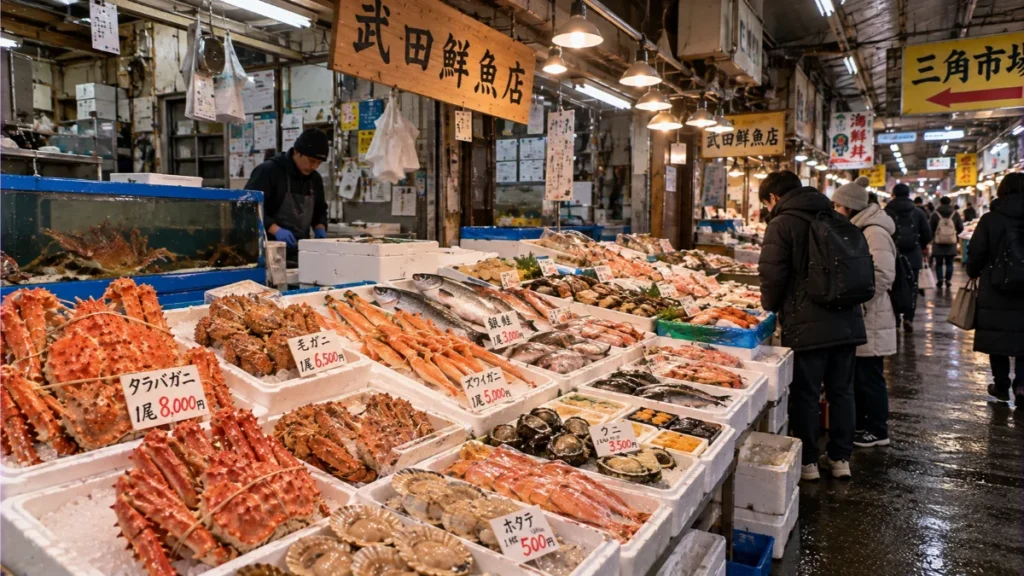
I learned Hokkaido’s clock on my second day. That morning, I slept in, worked a little, then headed to Nijo Market after lunch. By the time I arrived, half the stalls were shutting their shutters. The best seafood had sold out hours earlier. Here, markets open around 07:00 and wind down by early afternoon. So I changed my rhythm completely. From then on, I left the hotel early and saved evenings for onsens and ramen. Is Hokkaido worth visiting in winter? Absolutely, but only if you live by its early schedule.
Hokkaido Winter Itinerary Day by Day
This Hokkaido winter itinerary works entirely by train and bus. I based myself in Sapporo first, then moved north. Here is how each day unfolded, with the timing I would use again.
Days 1 and 2: Sapporo
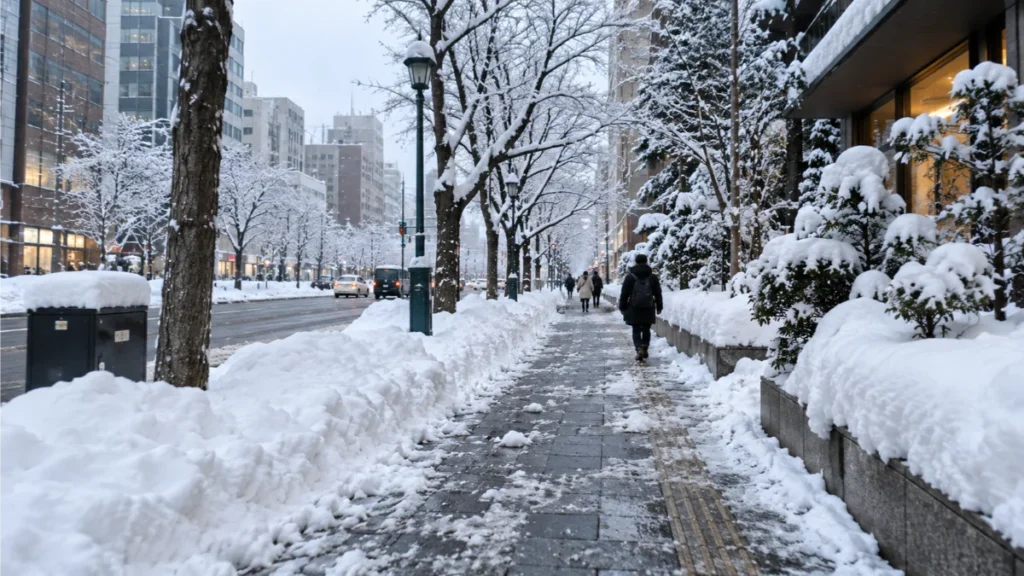
From New Chitose Airport, the rapid train reaches Sapporo in under 40 minutes. On day one, I found my way to Odori through the underground Chi-Ka-Ho passage. It keeps you warm and dry all the way.
On day two, I explored Sapporo properly. Around Odori, Snow Festival posters still hung in station corridors and shop windows. The festival had ended just days before. Honestly, I felt a pang of regret walking past them. In the evening, I warmed up with my first bowl of miso ramen. Hungry already? Here is what to eat in Hokkaido in winter.
Day 3: Otaru
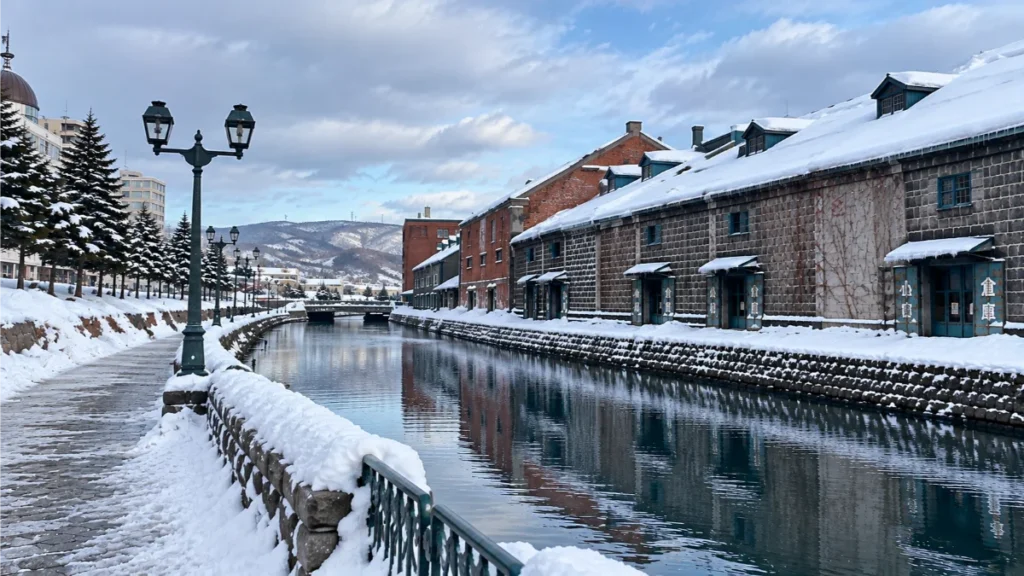
Otaru sits less than an hour from Sapporo by train. Within ten minutes of arriving, I slipped on the icy slope to the canal. So buy ice grips first. Then go early for the seafood markets. Afterward, walk the canal before the tour groups arrive. Warehouses, glass shops and snowy streets fill the day nicely.
Day 4: Jozankei
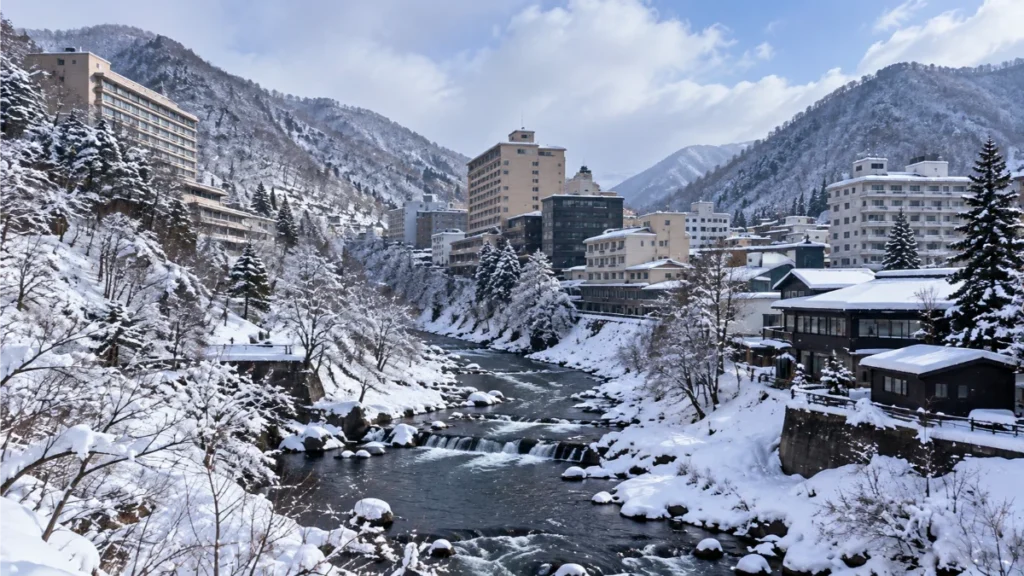
Next, Jozankei offers onsens in a snowy river valley, about an hour away by bus. Mornings work best, because many hotel baths stop taking day visitors in the afternoon. My highlight was Hoheikyo’s outdoor rock pool in falling snow. Plan both trips with my guide to day trips from Sapporo in winter.
Days 5 and 6: Asahikawa and the Biei Blue Pond Winter Reality
On day five, I took the express train to Asahikawa. The ride usually takes about 90 minutes, though snow delayed mine. Then, on day six, I spent the afternoon in Biei’s snowy hills. In the evening, I took the local bus to Blue Pond.
I’ll be honest about Blue Pond in late February. There was no blue water to see. The pond was frozen solid and buried under snow. I knew this, but part of me still hoped. Around 17:30, the lights came on and the snowy larches glowed soft blue. It felt quieter and stranger than any photo I had seen. Still, I only had about half an hour. The last bus back to Biei left a little after 18:00. Those were my times in late February. Schedules shift every season, so check yours before you go.
That is the Biei Blue Pond winter reality. Want to skip the bus math? Book a guided Blue Pond illumination tour instead.

Day 7: Lake Shikotsu
On my last day, I rode the train back south toward New Chitose Airport. First, I left my suitcase in an airport locker. Then I took the festival bus to the Lake Shikotsu Ice Festival. In daylight, the ice glows a natural blue. After dark, colored lights take over. Afterward, the same bus returned me to the airport. Here is my full guide to the Lake Shikotsu Ice Festival.

How Many Days in Hokkaido in Winter?
How many days in Hokkaido in winter is enough? For a first trip, I recommend seven. That gives you Sapporo, two day trips and one move north. In season, you can still finish with a festival near the airport.
With five days, focus on Sapporo, Otaru and Jozankei. You will see a lot, but you will rush. With ten days, add Niseko for powder snow or Hakodate in the south.
Niseko is famous for its light, dry powder. Cold winds from Siberia pick up moisture over the Sea of Japan. Then they drop it as fine, fluffy snow on the mountains. Skiers travel from around the world for it. Even without skis, the deep snow around Hirafu is a sight on its own.
Alternatively, head east for drift ice along the Sea of Okhotsk. Small mountain towns like Sounkyo also feel like hidden villages after busy Sapporo.
Distances are bigger than they look on a map. Snow also slows everything down. So build your Hokkaido winter itinerary around fewer bases, not more. Not skiing? Here are the best things to do in Hokkaido for non-skiers.
Sapporo Snow Festival Schedule and Other Winter Festivals
The Sapporo Snow Festival usually runs for about a week in early February. Its main sites are Odori Park, Susukino and Tsudome. Odori shows the giant snow sculptures. Meanwhile, Susukino focuses on ice, and Tsudome suits families. For the exact Sapporo Snow Festival schedule, check the official festival website each year.
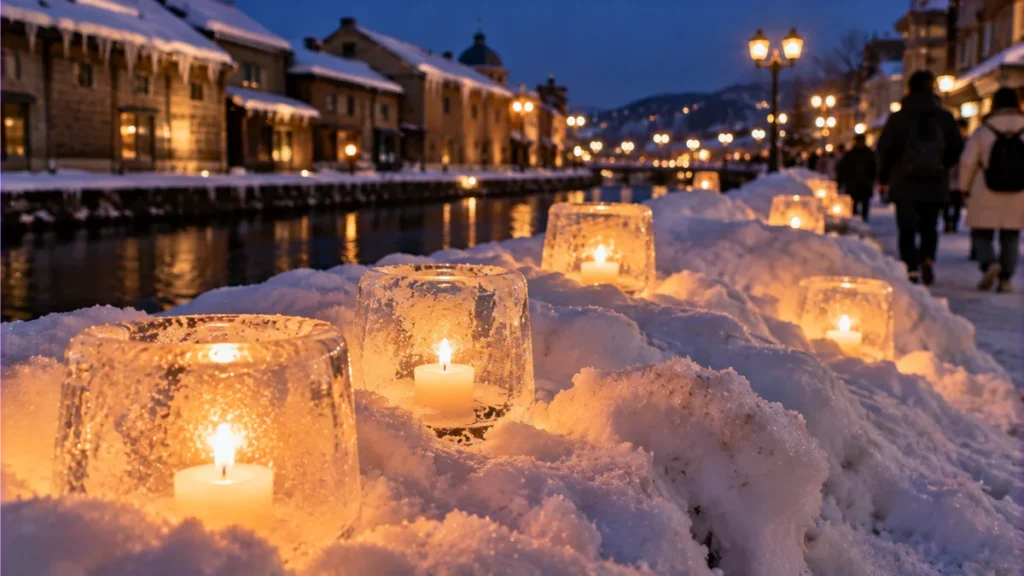
Other festivals fill the rest of the season. Otaru Snow Light Path usually lights the canal with snow lanterns in mid-February. Lake Shikotsu’s ice festival typically runs from late January to late February. In the central mountains, the Sounkyo Ice Waterfall Festival continues into early March.
If the Snow Festival matters to you, plan around it from the start. Hotels in Sapporo fill fast that week. Prices also rise, and some places require minimum stays. Book early with my guide to where to stay in Hokkaido in winter.

Hokkaido Winter Trip Planner: Weather, Gear and Timing
Use this Hokkaido winter trip planner before you book anything. First, avoid November and April. Locals call them the slush season, and many places close for maintenance.
Weather also changes across the island. The west, including Sapporo and Niseko, gets heavy snow. By contrast, the east around Kushiro is often dry, sunny and bitterly cold. Pack for both if your route crosses the island.
Daylight shapes your plans, too. In December, the sun sets around 16:00. By late February, it stays light until after 17:00. Either way, start early.
On the ground, ice is the real challenge. Clip-on ice grips, called suberidome, cost around ¥1,000 at convenience stores. Buy them on day one. Also, luggage delivery services can run a day or two late during storms. So keep one or two days of essentials in a small backpack.
Practical Tips
Check every time and timetable. Bus schedules, illumination hours and festival dates change each season. My times were correct for my trip, not necessarily yours. So confirm them the week you travel.
Reserve train seats early. Snow delays are common in winter. A reserved seat means you wait comfortably instead of standing. Here is how to plan train days and passes.
Dress in layers. Trains and shops are warm, while the streets are freezing. Layers let you adjust quickly. Add a hat, gloves and waterproof boots.
Carry some cash. Many small restaurants and festival stalls still prefer cash. Keep yen for buses, too.
Drive only if you are experienced. Winter roads in Hokkaido can be icy and white with blowing snow. If you do rent, choose winter tires and drive slowly. Compare rental cars for your Hokkaido route.
Stay connected. Maps, train apps and translation tools make solo travel much easier. Set up an eSIM before you fly.

FAQ
Is Hokkaido worth visiting in winter? Yes. Snow, onsens and seasonal food make winter a wonderful season. Just plan around short days and early closing times.
How many days do I need in Hokkaido in winter? Seven days work well for a first Hokkaido winter itinerary. Five days cover Sapporo and nearby towns. Ten let you add Niseko or the east.
Can I travel around Hokkaido in winter without a car? Yes. Trains and buses connect all the places in this route. Reserve seats and leave buffer time for snow delays.
Is Blue Pond still blue in winter? No, the pond freezes and gets covered in snow. However, the evening illumination makes it beautiful in a different way.
When is the Sapporo Snow Festival? It usually takes place in early February and lasts about a week. Check the official website for this year’s dates.
What should I pack for Hokkaido in winter? Pack layers, waterproof boots, gloves and a hat. Buy ice grips locally on your first day.