The Perfect 2 or 3 Days in Sapa Itinerary: 2026 Slow-Travel Guide
My first Sapa itinerary was four days. By day two, I’d abandoned the plan entirely. The valley took over. That’s the thing about Sapa: the best version of any itinerary is the one you adjust after you arrive.
This guide gives you the structure. What you do with it is yours. Here is the 2-day and 3-day Sapa itinerary that delivers the most complete picture of the highlands without rushing anything that deserves time.
Quick Info
| 2-Day Sapa Itinerary | 3-Day Sapa Itinerary | |
|---|---|---|
| Nights | 1 | 2 |
| Valley trek | Half day | Full day |
| Fansipan | Morning only | Full day option |
| Cultural activity | Skip | Red Dao herbal bath |
| Base | Sapa town | Valley homestay |
| Verdict | Minimum viable | Recommended |
| Transport | Book Hanoi to Sapa | Book Hanoi to Sapa |
Before You Start: What Every Sapa Itinerary Needs

Every Sapa itinerary, whether 2 days or 3, starts with the same step: booking your Hanoi to Sapa transport. The journey takes 5-6 hours each way. VIP sleeper cabins and limousine buses fill weeks ahead in peak season. Booking accommodation before transport is the most common mistake in Sapa trip planning.
In Vietnam, 12GoAsia is the standard platform for this booking. Check VIP sleeper train and limousine bus availability for your dates here before confirming anything else. Additionally, the Lao Cai to Sapa shuttle is a separate 45-minute transfer. This shuttle transfer from Lao Cai station to Sapa town handles that leg efficiently.
Activate a Vietnam eSIM before arrival. Valley signal drops completely in Ta Van and on the trekking routes. Download offline maps for Lao Cai province before leaving the town center. Activate a Vietnam eSIM before your flight to stay connected when it matters.
The 2-Day Sapa Itinerary: Maximum Value, Minimum Time
Two days in Sapa means one night. It’s a tight Sapa itinerary, but it works if you make the right choices from the start.
Day 1: Arrive, Orient, Night Market
Arrive in Sapa by morning via overnight train from Hanoi (departs around 10pm, arrives around 6am in Lao Cai, then 45 minutes to Sapa). Check in immediately at Hôtel de la Coupole MGallery and drop your bags. The hotel is connected directly to the Fansipan cable car station, which matters for Day 2.
Morning: walk the Sapa market. The lower section of the central market comes alive before 7am with Black Hmong and Red Dao women selling fresh produce, smoked meats, and traditional textiles. Go before 8am for the best version.
Afternoon: short walk toward the Muong Hoa Valley viewpoints. Don’t pay the Cat Cat Village entry fee. Instead, walk the approach road past the entry gate for the valley views without the ticket. The light on the terraces in the late afternoon is the best of the day.
Evening: Sapa night market around the Stone Church plaza. Grilled corn, banh day cakes, smoked buffalo. Stay until 9pm for the full atmosphere.
Day 2: Fansipan Morning, Depart Afternoon
Check the sky at 7am. If the summit above town is clear, go immediately. Last-minute cable car tickets with instant QR delivery are bookable on the morning of your visit. Clear days at the summit are weather-dependent and can’t be predicted in advance. Don’t buy tickets the night before.
The full Fansipan experience takes 3-4 hours: Muong Hoa Monorail from Sapa Station, cable car to the summit station, and either the 600-step climb or the Summit Funicular to the peak. Bring warm layers regardless of the weather in town. The summit sits 1,600 meters above Sapa and is significantly colder.
Depart Sapa by early afternoon to arrive in Hanoi by evening.
The honest limitation: A 2-day Sapa itinerary misses the valley completely. You see the market, the town, and Fansipan. That’s a different experience from the rice terraces and village culture that most people come to Sapa for. Consider it a preview, not the full version.
The 3-Day Sapa Itinerary: The Right Amount of Time
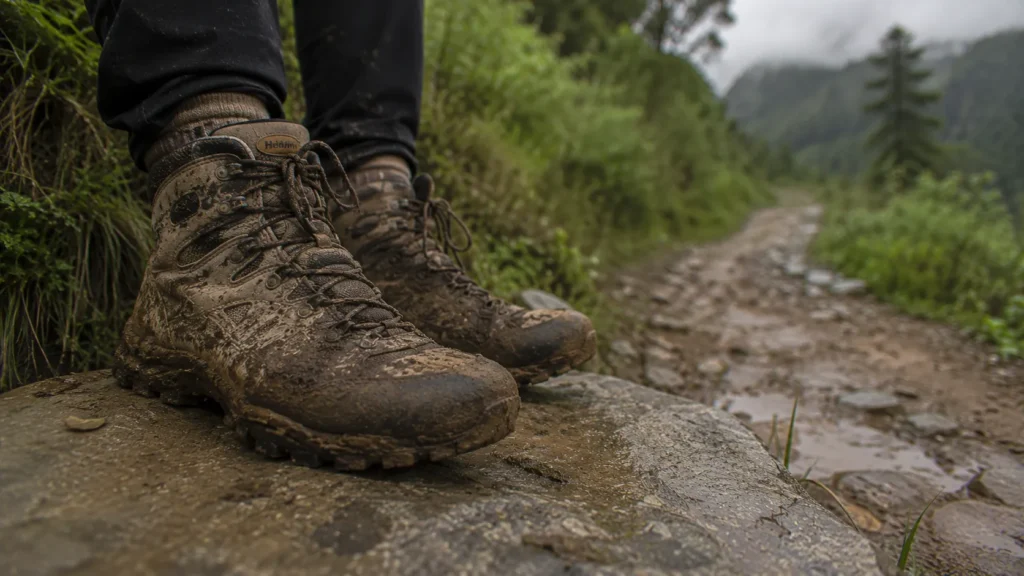
Three days in Sapa means two nights. This Sapa itinerary covers the essential experiences without rushing any of them.
Day 1: Arrive and Move to the Valley
Same arrival as the 2-day version: overnight train, arrive Lao Cai by 6am, shuttle to Sapa by 8am.
Check in at Eco Hills Homestay in Ta Van village, 9km from Sapa town. This is the most important decision in the 3-day Sapa itinerary. Moving to a valley base on Day 1 changes the entire character of the trip. I stayed here for five nights on my first extended Sapa loop, and the family-cooked dinners on the terrace overlooking the rice fields were the best meals I had in northern Vietnam.
The Grab app works throughout the valley. The 20-minute ride from Sapa center to Eco Hills costs around 50,000-80,000 VND.
Afternoon: short walk around the Ta Van village area. The terraces surrounding the homestay are extraordinary in late afternoon light. No planning required. Just walk.
Evening: family dinner at the homestay. Order ahead when you check in. The black chicken hotpot with local herbs, the fresh highland vegetables, and the corn wine at the table are the correct introduction to Sapa food.
Day 2: Full Muong Hoa Valley Trek
This is the core day of any 3-day Sapa itinerary. The Muong Hoa Valley route runs 9-11km from Y Linh Ho through Lao Chai and back to Ta Van. Starting from Eco Hills means you walk into the route directly from your door.
Start by 8am. The morning light on the terraces is the best of the day, and starting early means finishing before the afternoon heat. This guided full-day trekking tour covers the complete valley route with a local Hmong guide, lunch at a homestay, and hotel pickup. Alternatively, self-guide with ExoTrails offline GPS and the Cau Treo bridge navigation note: stay on the left bank at the bridge junction.
Return to Ta Van by 3pm. Rest. Second night at Eco Hills.
Day 3: Red Dao Herbal Bath, Then Depart
Day 3 of this Sapa itinerary is the most culturally specific day. Take a Grab from Ta Van to this full-day Ta Phin village trek, which covers the Suoi Ho, Ma Tra, and Ta Phin villages before ending with a traditional Red Dao herbal bath. The bath involves soaking in a wooden tub filled with warm medicinal herbs collected from the surrounding mountains. The combination of physical trekking and herbal recovery is the most complete highland experience available in a single day.
Return to Sapa town by 4pm. Depart for Hanoi by evening limousine or catch the night train connection.
Adding a Third Night: What Changes

A third night turns this Sapa itinerary from a highlight reel into something that actually feels like slow travel. Here’s what fits:
Day 4 option A: Sapa cooking class. This Hmong cooking class starts with a morning market visit and ends with the meal you’ve made at a local family’s homestay. It’s a lighter day after two physical trekking days. Plan it as a recovery day with food.
Day 4 option B: Silver Waterfall and Love Waterfall. This guided tour covers both waterfalls with a trek to Sin Chai village. The waterfalls are most powerful after rain. A fourth day adds the nature element that the 3-day itinerary skips in favor of cultural depth.
Day 4 option C: Sa Seng or Hau Thao by xe om. The remote village routes described in Sapa Off the Beaten Path: 4 Secret Trekking Trails fit naturally as a Day 4 extension. No pre-booking required. Just hire a xe om from Sapa center in the morning.
For a complete breakdown of what each additional day adds, see How Many Days in Sapa? 3 Days vs 4 Days vs a Week Comparison.

Practical Tips for Your Sapa Itinerary
Book Hanoi to Sapa transport first. Accommodation is easier to find last-minute than VIP transport. Check seat availability and book early before confirming your hotel.
Move to the valley on Day 1. Every extra hour in Sapa town center is an hour not spent in the valley. The sooner you’re at a valley base, the better the Sapa itinerary becomes. See Where to Stay in Sapa: Best Hotels and Homestays 2026 for the full options.
Don’t pay the Cat Cat Village entry fee. The approach road gives you the valley views without the 150,000 VND ticket. Cat Cat itself is heavily commercialized. The valley trek covers far better ground.
Check Fansipan weather before booking. Don’t buy cable car tickets in advance. Check the sky at 7am on your planned visit day. Clear summit by morning means go. Cloudy summit means reschedule. Last-minute cable car tickets with instant delivery are available on the morning of your visit.
FAQ
Is 2 days enough for a Sapa itinerary? Two days covers Fansipan and the town market. It misses the valley trek and the village culture entirely. It’s a preview, not the full experience. Three days is the minimum that makes the Hanoi transfer worthwhile.
What is the best base for a 3-day Sapa itinerary? A valley homestay in Ta Van for nights 1 and 2, then move back to town for the departure day if needed. Eco Hills Homestay is the best option at this price point.
Should I book a guided tour or go self-guided? For Day 2 valley trek, either works with good offline navigation. For Day 3 Ta Phin and herbal bath, this guided full-day tour handles all logistics and adds cultural context that self-guiding can’t match.
What is the best time of year for this Sapa itinerary? September to October for golden harvest terraces, late April to early May for flooded terrace reflections. For the full seasonal picture, see Best Time to Visit Sapa: Weather & Season Guide 2026.For the complete regional overview, Sapa Valley Travel Guide: How to Slow-Travel Vietnam’s Highlands has everything you need to plan the rest of your trip.