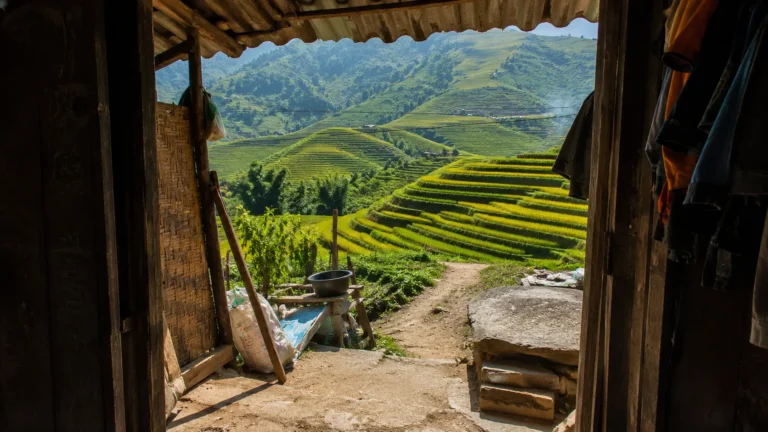
Sapa Valley Travel Guide: How to Slow-Travel Vietnam’s Highlands
Sapa is a place that punishes rushed visits and rewards slow ones. Most travelers give it three days. By day two, they’ve seen the cable car and the market, ticked the valley trek, and started thinking about what’s next. The travelers who give it two weeks find something completely different: a rhythm, a community, a landscape that keeps revealing new layers every morning.
This Sapa Valley travel guide is for the second kind of traveler. It covers everything you need to plan the trip properly, with links to the detailed guides for every aspect of the destination.
Quick Info
| Category | Details |
|---|---|
| Best for | Trekking, ethnic minority culture, rice terrace photography, slow travel |
| Not ideal for | Beach lovers, short 1–2 night visits, non-walkers |
| Sweet spot | 5–7 days minimum, 14 days ideal |
| Best base | Valley homestay in Ta Van, not Sapa town center |
| Getting there | VIP bus or overnight train from Hanoi, 5–6 hours |
| Best season | September–October (golden harvest), April–May (flooded terraces) |
| 2026 note | Sapa town center under construction. Stay in the valley. |
| Transport | Book Hanoi to Sapa early |
Why This Sapa Valley Travel Guide Starts With a Warning
The Sapa Valley travel guide that serves you best starts with the part most guides skip. Sapa town center in 2026 is actively under construction. New concrete hotels are rising along the main roads. The Vietnamese government designated Sapa a “National Strategic Tourism City” and the development program is visible everywhere in the town center.
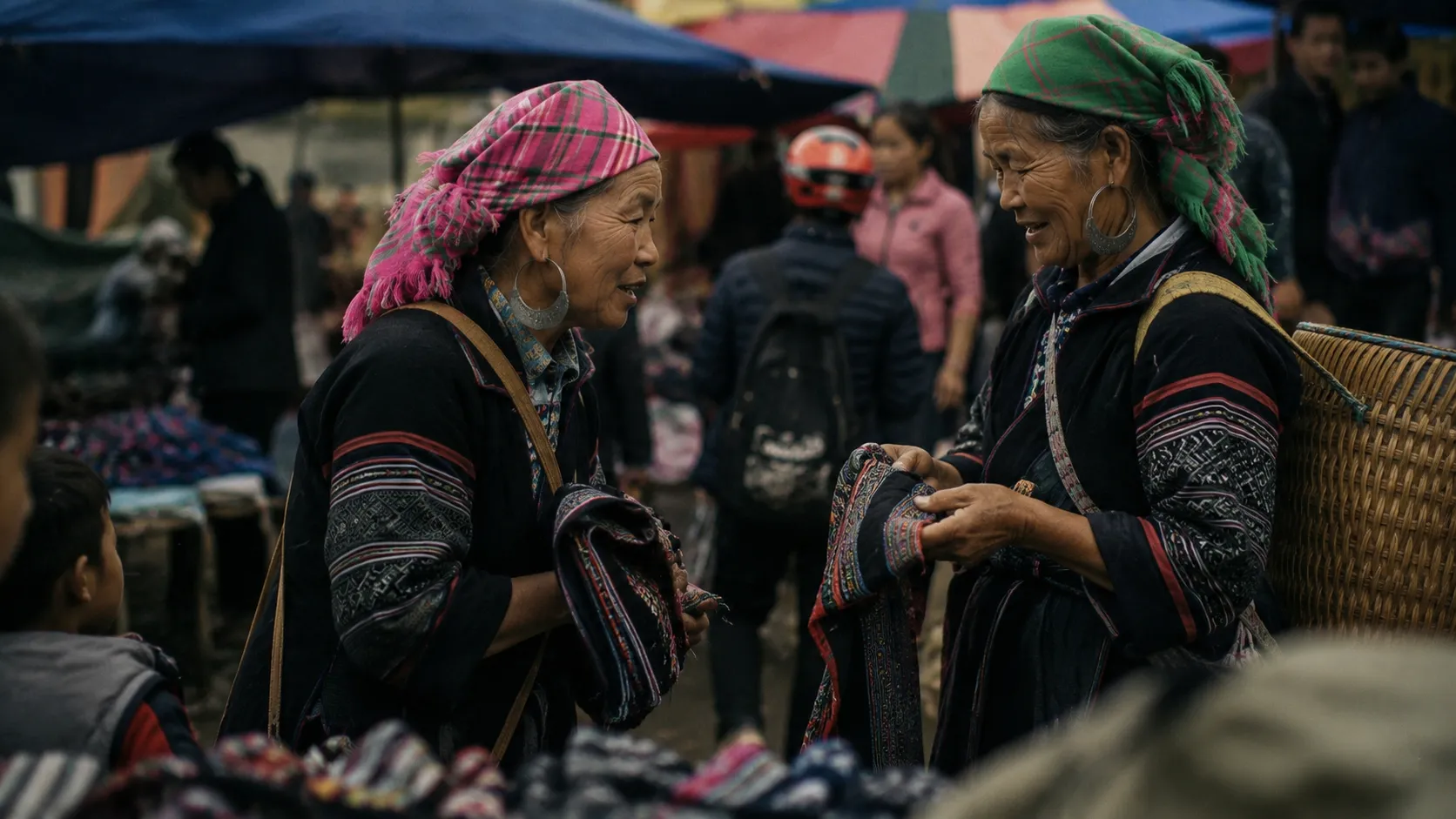
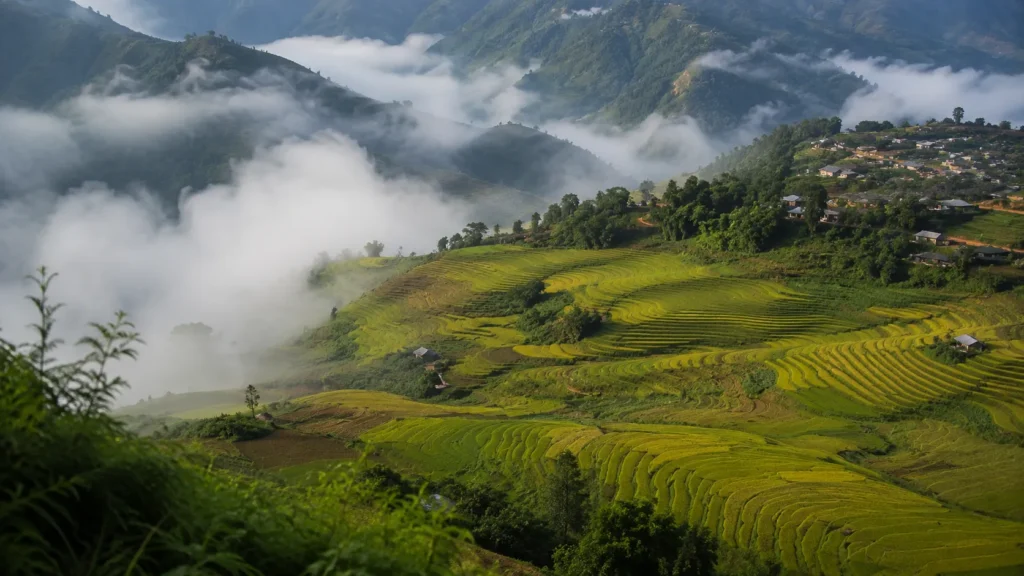
The valley, however, is unchanged. The rice terraces, the Black Hmong villages, the trekking routes through Muong Hoa, and the Red Dao communities around Ta Phin are entirely unaffected by the town’s construction. The gap between the Sapa most travelers describe in negative reviews and the Sapa that slow travelers love is simply the gap between the town center and the valley.
This Sapa Valley travel guide is organized around the valley, not the town. Use it accordingly.
For the full honest assessment of whether Sapa suits your travel style, see Is Sapa Worth Visiting? An Honest 2026 Assessment.
Planning Your Sapa Valley Trip in 2026
Best Time to Visit Sapa
The best Sapa Valley travel guide needs to address timing first. Two windows stand out above all others:
September to mid-October: Golden harvest season. The rice terraces turn from green to deep amber and gold over three to four weeks. This is the most photographed season and the most crowded. Book everything at least three weeks ahead.
Late April to early May: Water pouring season. Farmers flood the terraces for planting, creating mirror reflections of the sky and mountains. Less crowded than autumn, equally beautiful for photography.
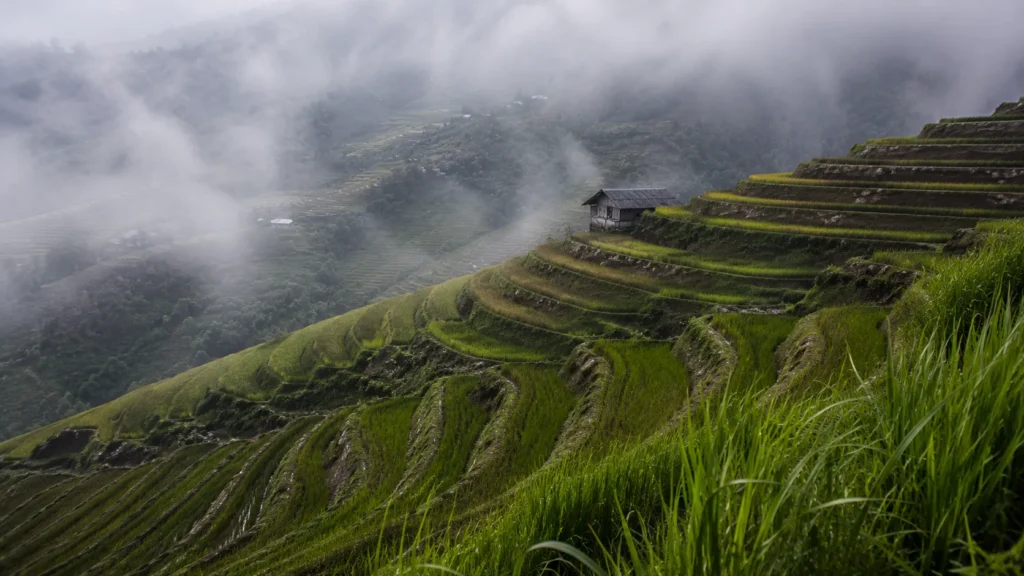
November brings cloud hunting season, when fog fills the valley below while the higher ridges stay clear. December through February is quiet, cold, and cheap. Summer (June-August) brings the monsoon, powerful waterfalls, and 40% lower prices.
For the complete month-by-month breakdown with 2026 event dates, see Best Time to Visit Sapa: Weather & Season Guide 2026.
How Many Days You Need
Five days is the minimum for this Sapa Valley travel guide to make sense. The transfer from Hanoi takes 5-6 hours each way. Anything under five days means spending too much of your trip in transit.
Seven days covers the core experiences: valley trek, Fansipan on a clear day, Ta Phin herbal bath, night market, and one remote village. Fourteen days is slow travel: you stop rushing, revisit the valley in different light, and actually understand the place.
For detailed day-by-day planning, see How Many Days in Sapa? 3 Days vs 4 Days vs a Week Comparison and The Perfect 2 or 3 Days in Sapa Itinerary: 2026 Slow-Travel Guide.
How to Get to Sapa
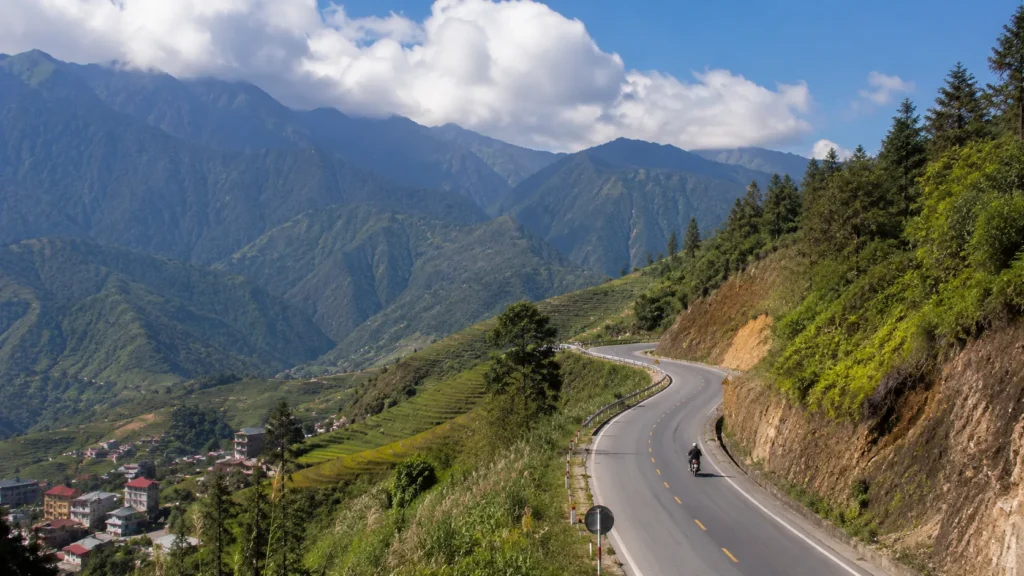
The VIP limousine bus is the best option for most travelers in 2026. The CT05 expressway, completed in 2025, cuts the journey to 4.5-5 hours direct to Sapa town. No transfer required.
The overnight train remains the most atmospheric option: depart Hanoi around 10pm, arrive Lao Cai at 6am, then a 45-minute shuttle to Sapa. The train does not go to Sapa directly. This is the most common misunderstanding about the journey.
In Vietnam, 12GoAsia covers both options in one place. Check seat availability and book your Hanoi to Sapa transport here before confirming your hotel. Additionally, Traveloka offers alternative bus operators for price comparison on your specific dates.
For the complete transport breakdown including prices, booking tips, and the Friday return seat shortage, see How to Get From Hanoi to Sapa: Train vs Limousine.
Top Experiences in the Sapa Valley
Trekking the Muong Hoa Valley
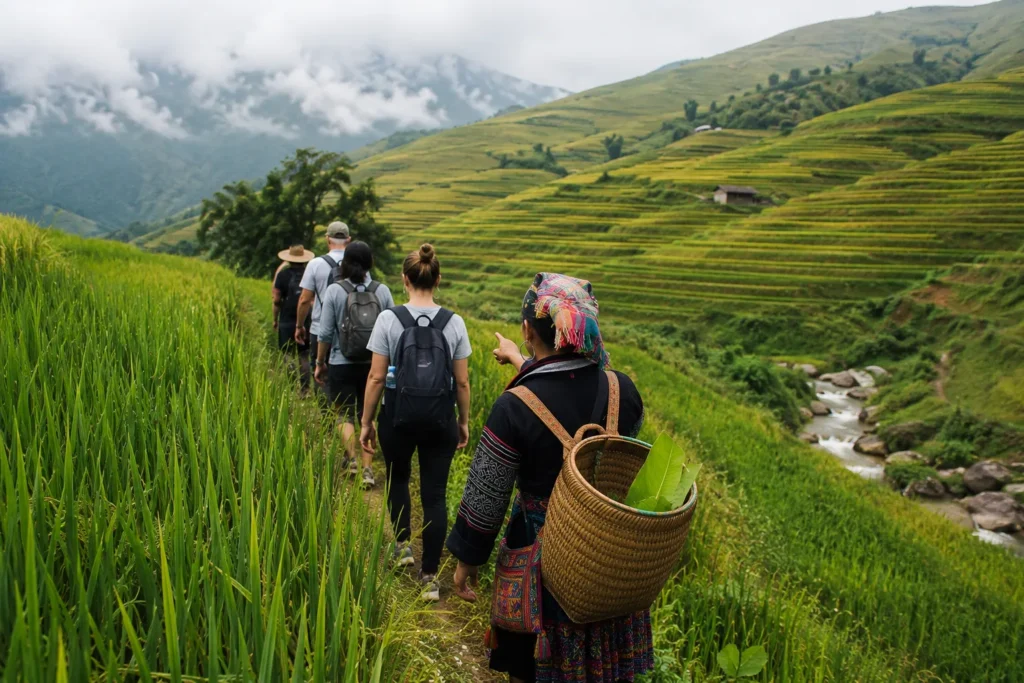
The Muong Hoa Valley trek is the foundational experience of any Sapa Valley travel guide. The route runs 9-11km from Sapa town through Y Linh Ho, Lao Chai, and Ta Van. It passes working rice terraces, Black Hmong villages, and the Muong Hoa stream for the entire length.
This guided full-day trekking tour covers Lao Chai and Ta Van with lunch at a local homestay. For self-guided trekking with the junction knowledge you actually need, see Sapa Trekking Without a Guide: Step-by-Step 11km Route. For the full guided vs self-guided comparison across all routes, see Sapa Trekking Guide 2026: Guided vs Self-Guided Routes.
Climbing Fansipan
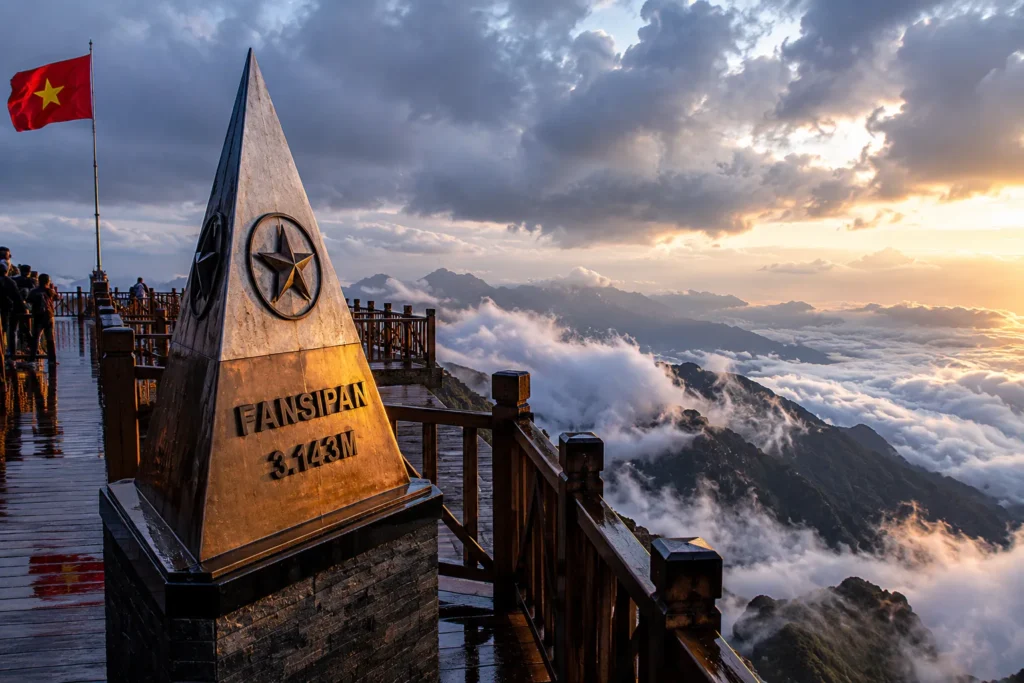
At 3,143 meters, Fansipan is the highest peak in Indochina. Sun World Fansipan Legend makes the summit accessible via cable car in approximately two hours from Sapa town. The most important rule: check the weather at 7am before buying tickets. The summit is clear on fewer days than the marketing suggests. Same-day cable car tickets with instant QR delivery are available here.
For the full ticket breakdown, system explanation, and pricing, see Sun World Fansipan Legend Guide: Cable Car and Tickets.
Red Dao Herbal Bath at Ta Phin
The Red Dao herbal bath is one of the most culturally specific experiences in this Sapa Valley travel guide. A soak in a wooden tub filled with medicinal forest herbs, prepared by a Red Dao family in Ta Phin village, is genuinely restorative after a day of trekking. This full-day tour treks through Suoi Ho, Ma Tra, and Ta Phin villages before ending with the herbal bath.
For the complete list of what’s actually worth your time in Sapa, see 10 Best Things to Do in Sapa: What’s Actually Worth It.
The Villages of the Sapa Valley
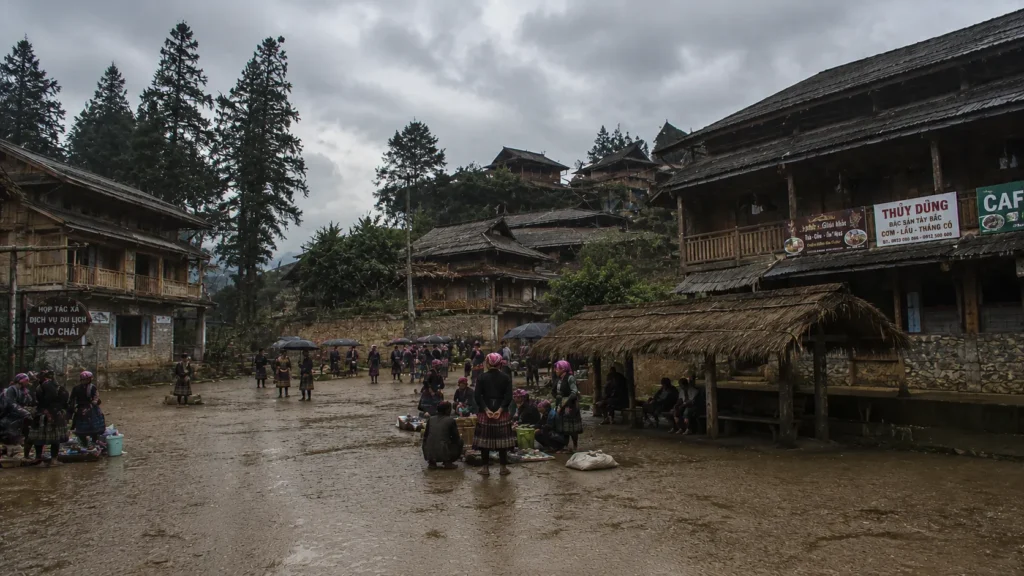
The Sapa Valley travel guide that only mentions Cat Cat Village is doing you a disservice. Cat Cat charges an entry fee and is heavily commercialized. The villages worth visiting are further out.
Ta Van (9km, Giay and Black Hmong, valley base) Lao Chai (7km, Black Hmong, photography village) Sa Seng (15km, Red Dao, cardamom plantations, very few tourists) Hau Thao (12km, Black Hmong, panoramic ridge views) Ban Ho (24km, Tay ethnic minority, hot springs, stilt houses)
For the complete village guide with access details, xe om prices, and what to expect at each one, see Best Villages Near Sapa: 5 Scenic and Untouched Valleys.
For the truly remote trails beyond the main circuit, see Sapa Off the Beaten Path: 4 Secret Trekking Trails.
Food and Culture in the Sapa Valley
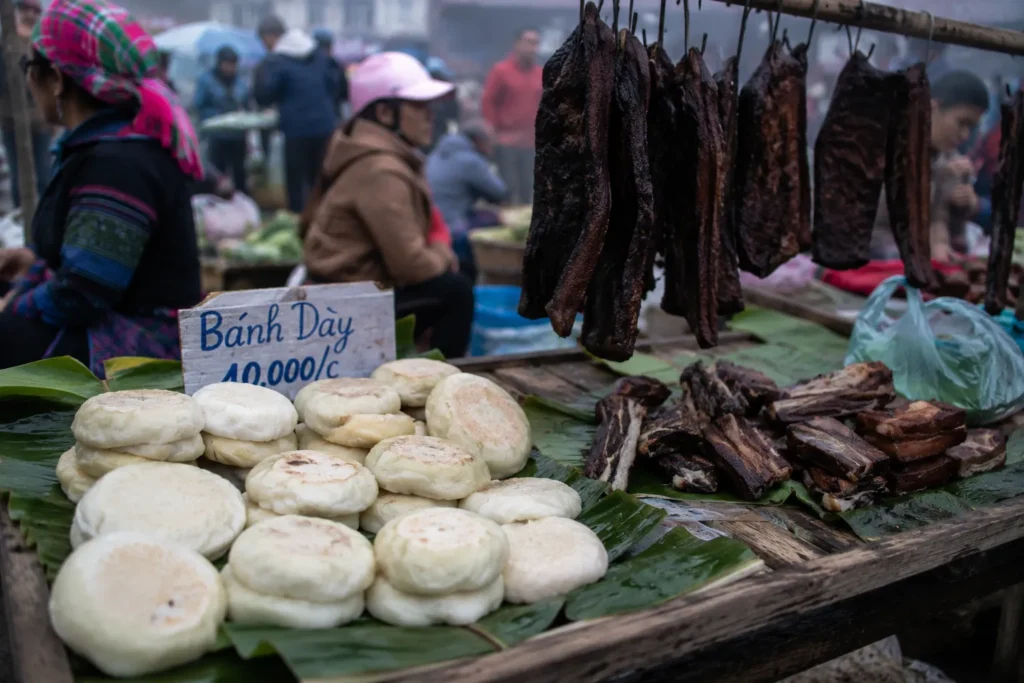
The Sapa Valley travel guide that skips the food is missing half the destination. Highland food is completely different from the rest of Vietnam: heartier, smokier, fermented, and built for cold mornings.
Thang co (horse meat stew, Hmong ceremonial food, found at market stalls) Men men (steamed corn flour cake, the Black Hmong daily staple) Black chicken hotpot (free-range highland chicken, best at valley homestays) Sfela equivalent: smoked buffalo, dried and intensely savory, available at market stalls Corn wine (ruou ngo, fermented corn spirit, offered at homestay dinners)
The Sapa morning market is the best food experience in the valley. Go before 7am for the real version. The night market around the Stone Church runs every evening from 5pm with grilled corn, banh day cakes, and highland textiles.
For the complete food guide with where to find each dish, see Sapa Food Guide: What to Eat in the Northern Highlands.

Where to Stay in the Sapa Valley
The single most important decision in this Sapa Valley travel guide: stay in the valley, not in Sapa town center.
Eco Hills Homestay in Ta Van is the benchmark valley base. Family-run, rice terrace views from the terrace, family-cooked dinners, direct trail access. I spent five nights here and it changed how I understood what a good base looks like. 9.7/10 couples rating on Agoda.
Hôtel de la Coupole MGallery is the right choice for one night in town on arrival, with direct cable car access for a clear-day Fansipan visit. 9.5/10.
Topas Ecolodge inside Hoang Lien National Park, 18km from Sapa, is for travelers who specifically want total isolation. No TV, minimal signal, twice-daily shuttle. Condé Nast Top 3 Best Resorts in Asia 2025. 9.3/10.
Silk Path Grand Sapa Resort & Spa is the best resort option for couples who want hot springs and mountain views. 9.3/10.
Pao’s Sapa Leisure Hotel sits on the hillside away from the town construction zone, with rice terrace views and an infinity pool. 9.2/10.
Sapa Rosie House Mountain Retreat offers the most unobstructed panoramic valley views from a working rice terrace.
For the full breakdown by trip type and budget, see Where to Stay in Sapa: Best Hotels and Homestays 2026.
Practical Tips for the Sapa Valley
Book Hanoi to Sapa transport before your hotel. VIP sleeper seats fill before valley homestays do. Check availability and lock in your dates early.
Download ExoTrails before leaving Hanoi. Signal in the valley drops completely. ExoTrails offline GPS is the most accurate navigation tool for Sapa’s unmarked trails. Download the Lao Cai province data set while you still have reliable internet.
Move to the valley on Day 1. Every hour in Sapa town center is an hour not spent in the valley. Check in to town accommodation for the night, then take a Grab to your valley homestay the next morning.
Don’t pay the Cat Cat Village entry fee. The approach road gives you the valley views without the 150,000 VND ticket. Cat Cat itself is heavily commercialized. The valley trek covers far more interesting ground.
Activate a Vietnam eSIM before arrival. Signal drops throughout the valley and on mountain trails. Activate a Vietnam eSIM before your flight and download all offline maps before leaving Sapa town.
FAQ
Is Sapa worth visiting in 2026? Yes, if you base yourself in the valley rather than the town center. The construction in Sapa town is real but geographically contained. The valley, terraces, and villages are unaffected. For the full honest assessment, see Is Sapa Worth Visiting? An Honest 2026 Assessment.
What is the best time to visit Sapa? September-October for golden harvest terraces. Late April to early May for flooded terrace reflections. Both are extraordinary and for different reasons. See Best Time to Visit Sapa: Weather & Season Guide 2026 for the month-by-month breakdown.
Do I need a guide to trek in Sapa? Not for the main Muong Hoa Valley route, with the right offline navigation and junction knowledge. Yes for Hoang Lien National Park and the remote village routes. See Sapa Trekking Guide 2026: Guided vs Self-Guided Routes for the full comparison.
How do I get from Hanoi to Sapa? VIP limousine bus is the best option in 2026: 4.5-5 hours direct, no transfer. Overnight train to Lao Cai plus shuttle is the atmospheric option. See How to Get From Hanoi to Sapa: Train vs Limousine for all booking details.