Spilinga & Monte Poro: Calabria’s Culinary Heartland Guide
The nduja you’ve eaten outside Calabria is not nduja. It’s a version, approximated, adjusted for export palates, and usually missing the specific combination of Calabrian chili varieties that makes the original genuinely different from anything else in Italian charcuterie. Spilinga nduja tasting starts here.
Spilinga is where nduja comes from. Not metaphorically. The town of Spilinga, 30 minutes inland from Tropea, is the documented birthplace of the spreadable spiced pork product that has become one of Italy’s most imitated food exports. Visiting for a Spilinga nduja tasting, and understanding what makes the original different, is one of the most rewarding food detours on the Costa degli Dei. For the full picture of what the coast offers beyond this inland trip, see Costa degli Dei Complete Slow Travel Guide: Calabria, Italy.
Quick Info
| Category | Details |
|---|---|
| Spilinga distance from Tropea | ~30 minutes by car |
| Bellantone farm visit | By appointment only, call ahead |
| Sagra della ‘Nduja | August 8th annually, Spilinga |
| Monte Poro pecorino | Il Ducale restaurant, Monte Poro |
| Best local restaurant | La Casareccia, Brattirò |
| Car essential? | Yes |
| Car rental | Compare rates |
What Makes Spilinga Nduja Tasting Different
Nduja is a spreadable salami made from pork and Calabrian chili peppers. Chili content is extremely high, around 30-40% of the total mixture, giving nduja its color, heat, and spreadable texture at room temperature. Spilinga’s version uses local chili varieties grown in the surrounding hills.
The Spilinga plateau sits at approximately 500 meters above sea level. This microclimate produces chili peppers with a different heat profile from coastal varieties. Additionally, the curing process traditionally uses natural casings and a cold-dry microclimate that the hill location provides naturally. These variables combine to produce a Spilinga nduja tasting experience that supermarket imports can’t replicate.
The practical difference is visible. Authentic Spilinga nduja tasting reveals a product that is softer at room temperature, more intensely red, and more complex in flavor than commercial versions. The heat builds gradually rather than arriving immediately. Moreover, the pork flavor is more present because the chili hasn’t been increased to the point of masking everything else.
Bellantone: The Benchmark for Spilinga Nduja Tasting
Bellantone is the family farm that represents the benchmark for Spilinga nduja tasting. The operation is small, family-run, and produces nduja using traditional methods on a limited scale. Unlike commercial producers, Bellantone’s output doesn’t reach supermarket shelves. It’s available directly from the farm and at a handful of local restaurants.
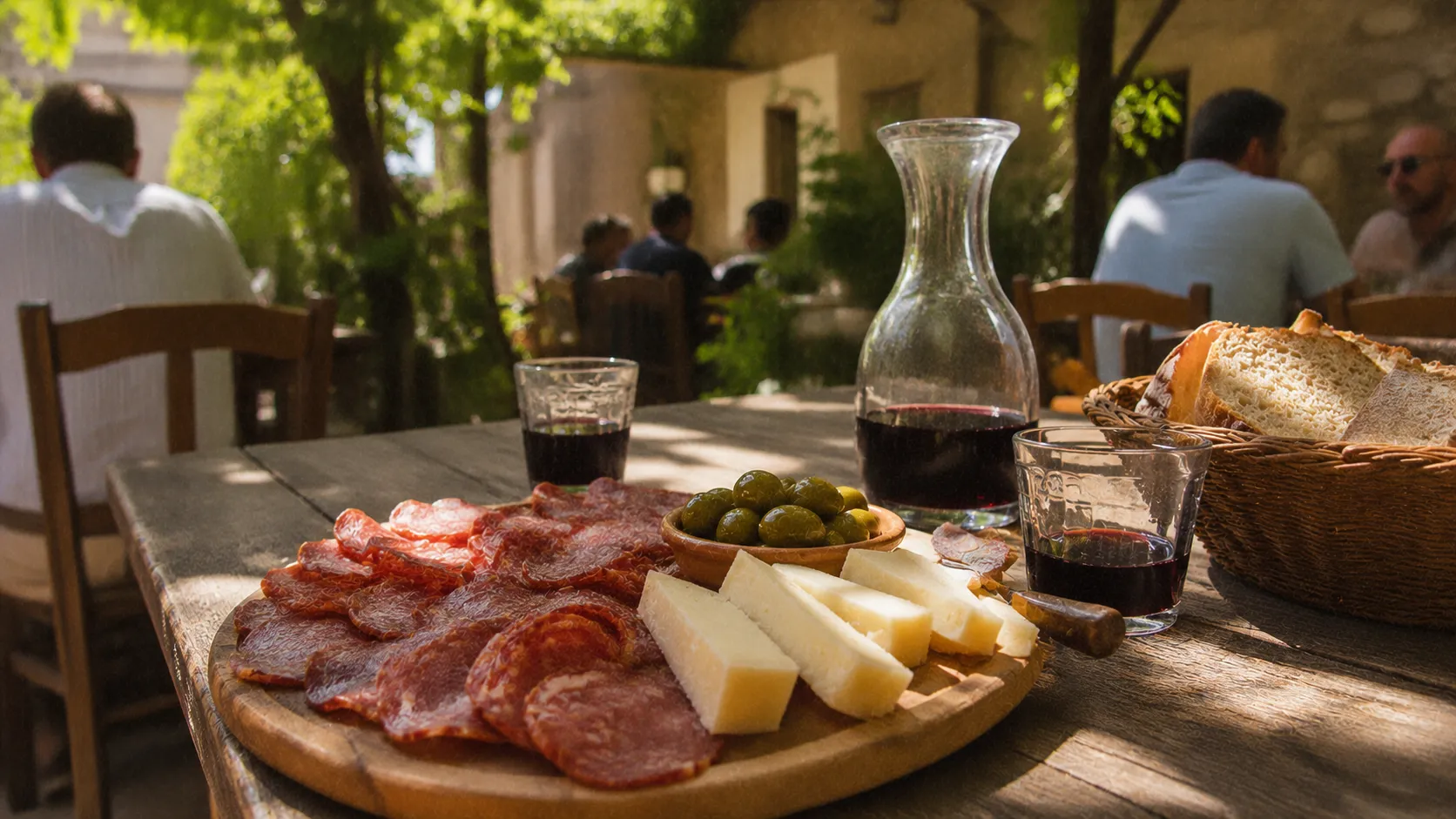
Visiting Bellantone for a Spilinga nduja tasting requires a phone reservation made in advance. The farm does not have fixed visitor hours. Arrangements are made directly with the family, typically for a morning visit. The tasting includes several nduja varieties at different stages of curing, alongside local salami, cheese, and preserved vegetables.
I drove to Bellantone on a Wednesday morning in September, after calling two days ahead. The farm sits above Spilinga on a narrow lane that my navigation app marked as a footpath. It wasn’t. The tasting took about an hour. I left with more nduja than I’d planned to buy, which is the correct outcome of any Spilinga nduja tasting done properly.
The visit provides a level of product understanding that transforms every nduja dish eaten afterward. Specifically, after Bellantone, you understand why the commercial version is a different product. The comparison makes subsequent restaurant orders more informed and more satisfying. For the coastal restaurant context where nduja appears on every menu, see The Gourmet’s Guide to Tropea: Michelin Dining & Traditional Trattorias.
The Sagra della ‘Nduja: August 8th in Spilinga
The Sagra della ‘Nduja is Calabria’s oldest food festival, held annually on August 8th in Spilinga. The festival began as a community celebration of the nduja harvest and has grown into a full-scale event covering the town’s historic streets.
The food element includes Spilinga nduja tasting from multiple local producers, nduja-based dishes prepared at street stalls, and direct sales from artisan producers who don’t otherwise sell retail. For sampling across multiple producers in a single visit, the Sagra is the optimal opportunity.
The cultural element is equally significant. The “I Giganti,” the processional giants known as Mata and Grifone, parade through the streets in the evening. These enormous puppet figures are a tradition shared across several Calabrian and Sicilian towns. In Spilinga, they represent the mythological founders of the community. The evening procession, with the giants moving through the narrow streets while the crowd parts around them, is one of the more genuinely unusual spectacles in southern Italian folk culture.
Timing a Calabria visit around August 8th for the Sagra, combined with the Bellantone visit the following morning, is the most complete Spilinga nduja tasting experience available.
Monte Poro: Pecorino and Highland Gastronomy
Monte Poro is the natural companion to a Spilinga nduja tasting day trip. The plateau rises to approximately 770 meters above the Costa degli Dei, where a distinct local pecorino cheese has been produced for centuries. Monte Poro pecorino is softer and more aromatic than aged Sardinian or Roman varieties, made from the milk of sheep grazing the plateau’s highland meadows.
The cheese is available at local markets in Tropea and Pizzo Calabro, but the most authentic tasting context is at Il Ducale restaurant on Monte Poro itself. The restaurant offers a cheese tasting at affordable prices, served with local honey, chestnut jam, and walnuts from the surrounding forests.
The drive from Spilinga to Monte Poro takes approximately 20 minutes. Combining both in a single day trip from Tropea creates a coherent inland food itinerary: Bellantone for Spilinga nduja tasting in the morning, Monte Poro for pecorino and lunch at Il Ducale in the early afternoon, and back to Tropea for the evening.
La Casareccia in Brattirò: Where the Locals Eat
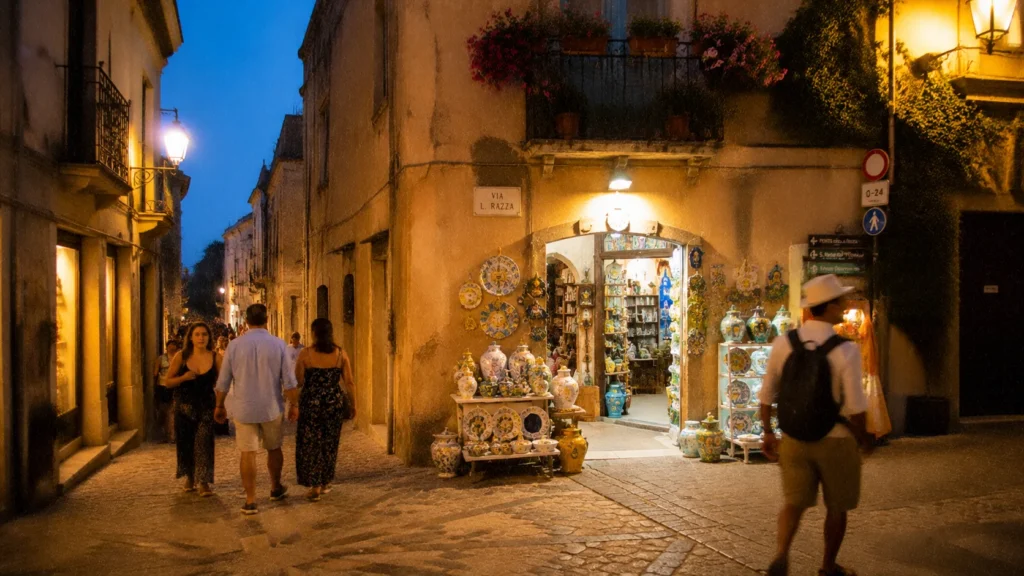
La Casareccia is the restaurant that completes any Spilinga nduja tasting day trip. Located in Brattirò, a small village between Spilinga and Monte Poro, it’s a family-run trattoria serving the traditional Calabrian antipasti format at its most uncompromising.
The antipasti plate typically includes eight to twelve preparations: preserved peppers, dried figs with almonds, pickled aubergine, local salami, nduja on toast, ricotta with honey, and seasonal items that vary by what the family has prepared that week. Order the antipasti as a shared meal for two rather than as a starter. In the Calabrian tradition, the antipasti is the meal, not the introduction to one.
Furthermore, arrive at 1pm rather than 12:30. The kitchen hits its stride at the proper Italian lunch hour, and the difference is noticeable.
Practical Tips for the Spilinga Nduja Tasting and Inland Day Trip
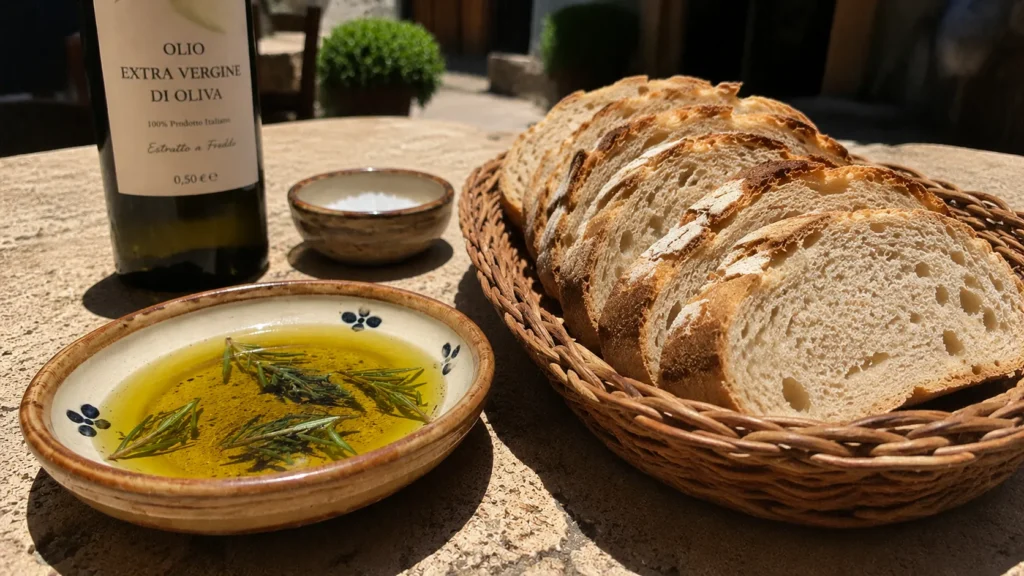
Call Bellantone before you leave Tropea. The farm visit is by appointment only. Call two to three days ahead and ask specifically for a tasting visit. The tasting version includes the context, the comparison, and the conversation that makes the experience worth the detour.
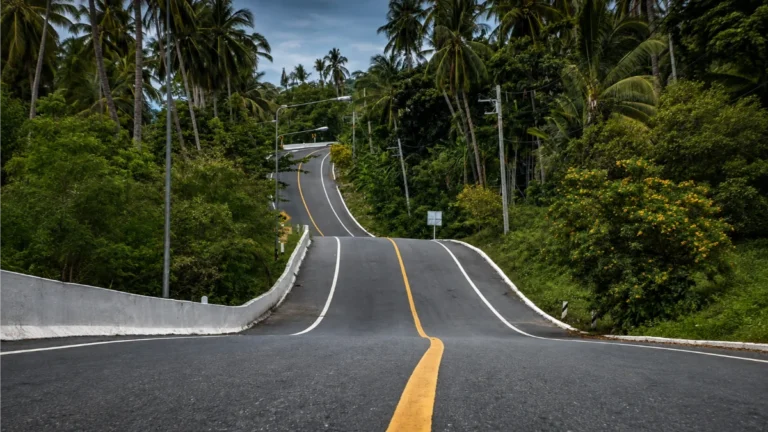
Drive the inland route, not the motorway. The SS18 and SP4 roads through the Calabrian hills take slightly longer than the A2 motorway but pass through villages and landscapes invisible from the highway. Spilinga to Monte Poro via the hill road takes 25 minutes and delivers a completely different perspective on the Costa degli Dei hinterland.
Plan the Sagra if your dates allow. August 8th in Spilinga is one of the most authentic local events on the Costa degli Dei calendar. The Sagra delivers both the broadest Spilinga nduja tasting access and one of the most distinctive folk traditions in southern Italy.
Take nduja home. Bellantone sells vacuum-packed nduja for travel. It lasts several weeks refrigerated. Authentic Spilinga nduja traveling home in your luggage is one of the best practical souvenirs from Calabria.
Activate a European eSIM before departure. The inland roads have intermittent signal. Download offline maps for the Vibo Valentia interior before leaving Tropea. Activate an eSIM before your flight for reliable connectivity throughout.
For the full coastal itinerary context that includes this inland trip, see How to Structure Your 7-Day Calabria Itinerary: Pizzo, Tropea, and Beyond. For where to stay while exploring both the coast and interior, see Where to Stay in Tropea: Best Luxury Boutique Hotels & Scenic Agriturismos.
FAQ
What is nduja from Spilinga? Nduja is a spreadable pork salami with a very high Calabrian chili content, approximately 30-40% of the mixture. The Spilinga version uses local highland chili varieties and traditional curing methods that produce a softer, more complex product than commercial exports. Spilinga nduja tasting at Bellantone farm is the benchmark experience.
How do I visit Bellantone in Spilinga? By appointment only. Call 2-3 days ahead and ask for a tasting visit. The farm is a 30-minute drive from Tropea via inland roads. A rental car is essential.
When is the Sagra della ‘Nduja in Spilinga? August 8th annually. The festival includes tastings from multiple local producers, nduja-based street food, and the evening I Giganti puppet procession.
What is Monte Poro pecorino? A local sheep’s milk cheese from the Monte Poro plateau above the Costa degli Dei. Softer and more aromatic than aged pecorino varieties. Best tasted at Il Ducale restaurant on Monte Poro, served with local honey and chestnut jam.