The Ultimate Konya Travel Guide: Stepping Inside Turkey’s Mystic Soul
This konya travel guide started with a friend. Cemay teaches in the city and has been inviting me ever since we met. There is a Turkish saying: “Gez dünyayı, gör Konya’yı” (Travel the world, but see Konya). Eventually I ran out of excuses. What followed was four days of eating, wandering, and arriving at a spiritual core that no other Turkish city quite replicates.
Quick Info
| Info | Details |
|---|---|
| Best for | Spiritual seekers, history lovers, food travelers |
| Known for | Whirling Dervishes, Mevlana Museum, Race Across the World |
| Getting there | High-speed train from Istanbul or Ankara, or by car |
| Street culture tour | Book a private walking tour here |
| Day trip from Istanbul | Catalhoyuk and Konya day trip with flights |
| Rental car | Book your rental car here |
| eSIM | Get your Turkey eSIM here |
| Where to stay | Where to Stay in Konya |
Is Konya Worth Visiting? The Cultural Gem from Race Across the World
Is Konya worth visiting? That question came up every time I mentioned it to other travelers. The honest answer is yes, and the reasons go well beyond the obvious.
Race Across the World sent contestants through Turkey on their way across the continent. Konya appeared along that route for good reason. Rumi’s tomb anchors the city. The 13th-century Sufi poet’s words now circulate in living rooms across the English-speaking world, and this konya travel guide exists partly because of that reach. Most visitors know about this. Fewer know what else is here.
Konya is one of Turkey’s safest cities. Solo female travelers consistently rate it among the most comfortable destinations in the country. The streets are calm and the people are genuinely warm. Konya’s historic center is compact enough to cover entirely on foot.
This is not a party destination. Alcohol is almost nowhere to be found. But if you come for the spiritual depth, the Seljuk architecture, and the food, you will leave with more than you expected.
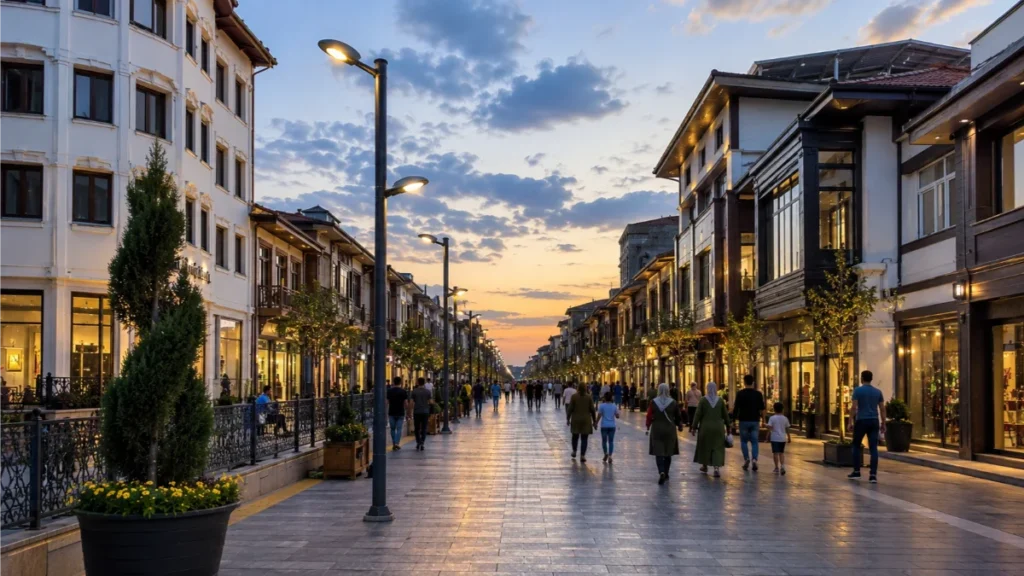
Best Things to Do in Konya: Whirling Dervishes, Mosques, and Ancient History
Things to do in Konya cluster naturally around the historic center. Most major sights sit within easy walking distance. This makes the city exceptionally easy to explore without a car.
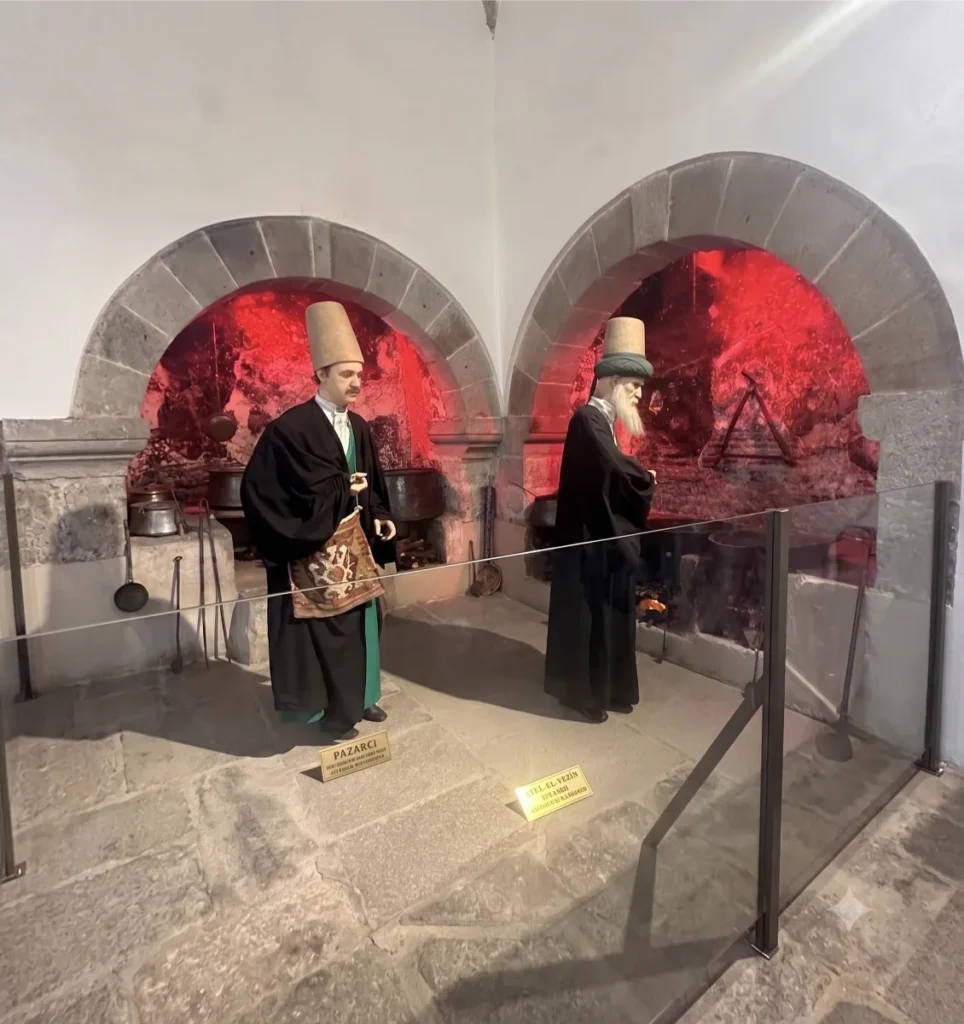
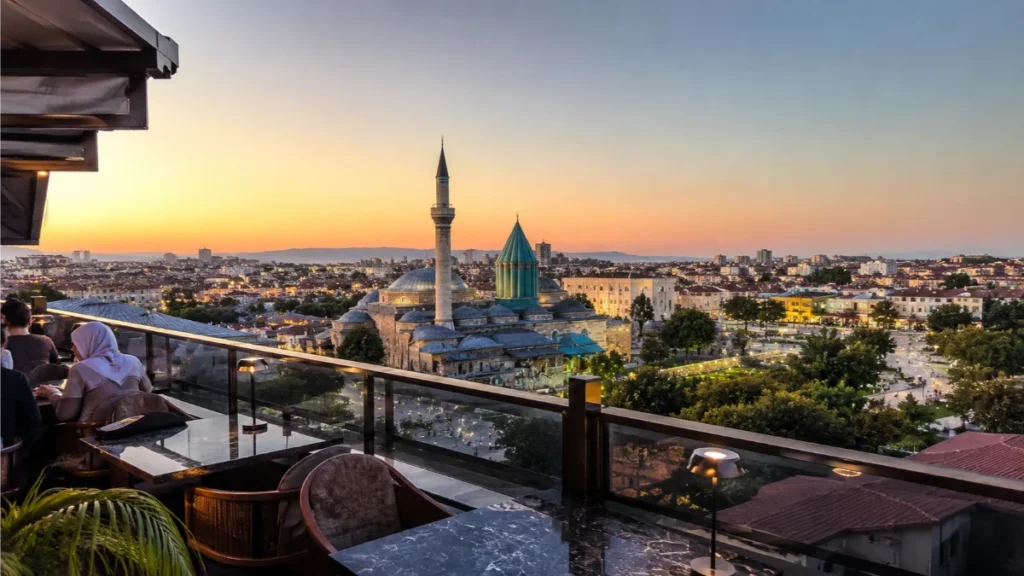
The Mevlana Museum: Exploring the Green Dome and Mystic Rumi Culture
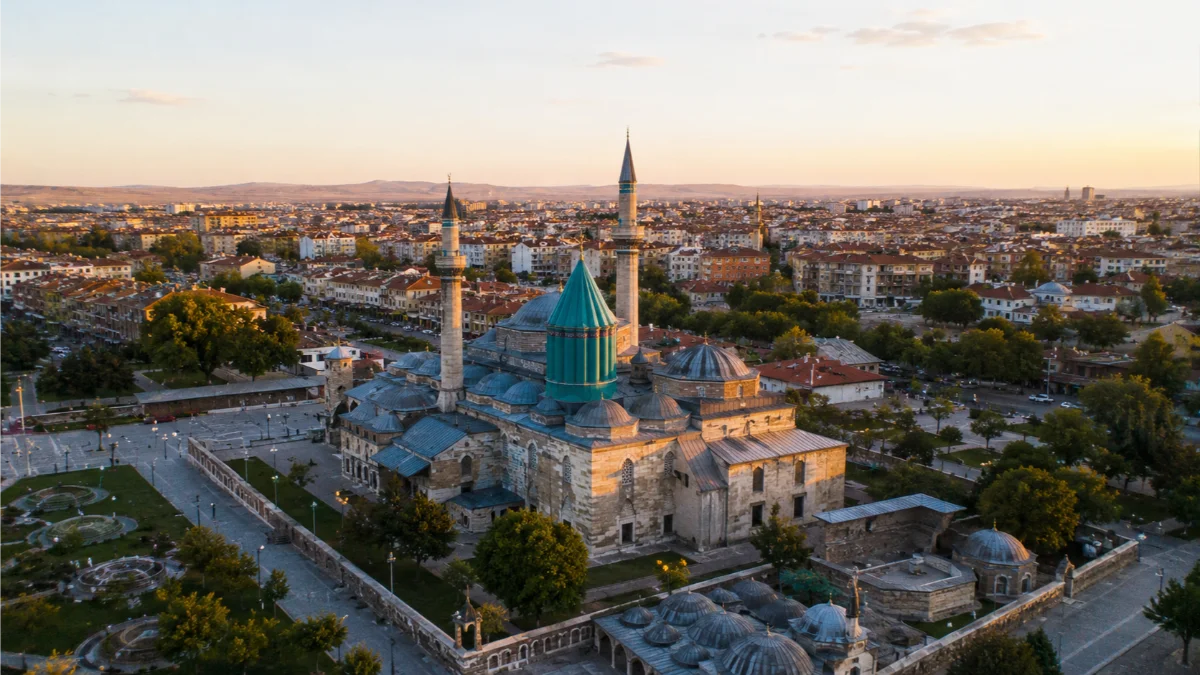
The Mevlana Museum is the reason most people come to Konya. Entry is completely free. No reservation, no museum card required. The government made this permanent. It is one of the most generous decisions in Turkish tourism.
Arrive on a weekday between 09:00 and 10:00 for the quietest experience. Mondays the museum opens at 10:00 due to maintenance. Summer hours run until 18:30, winter until 16:40. Free galoshes are provided at the entrance, which saves your shoes on the polished floors.
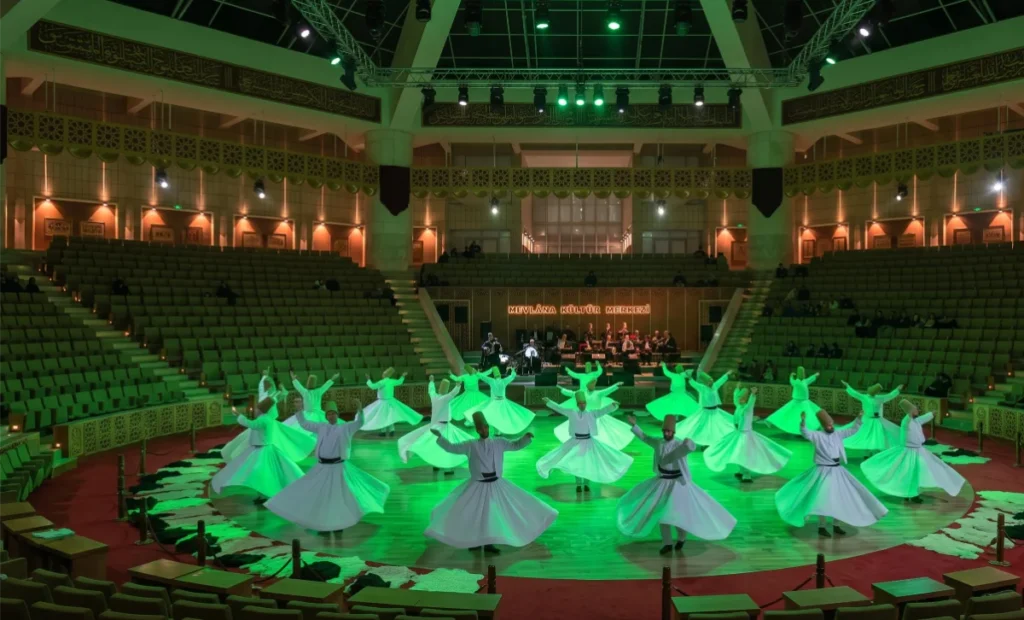
The free Sema ceremony happens every Saturday evening at the Mevlana Culture Center. Arrive at least an hour before it starts to get a seat. No flash photography during the ceremony. No applause between the whirling sequences. The hall holds thousands of people, but the silence inside is remarkable.
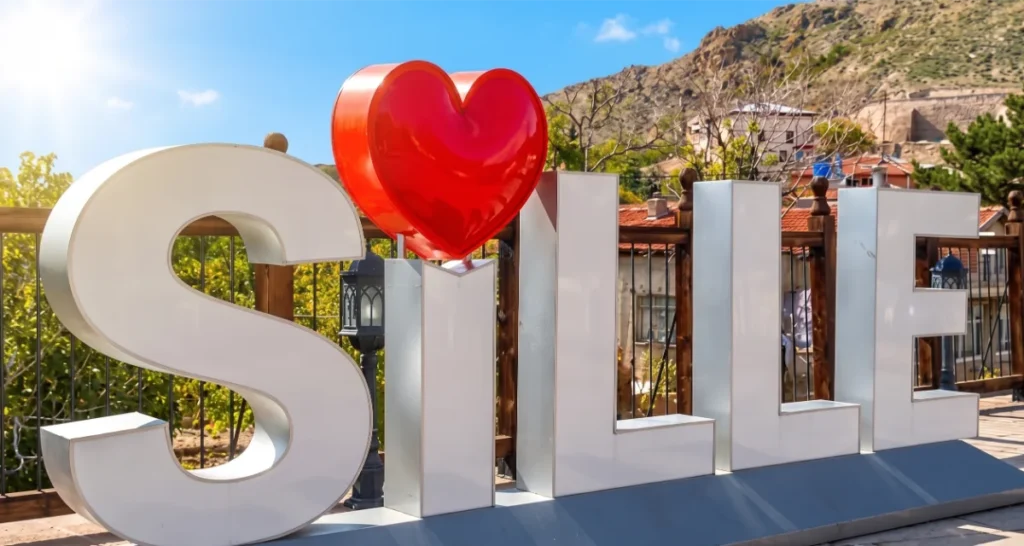
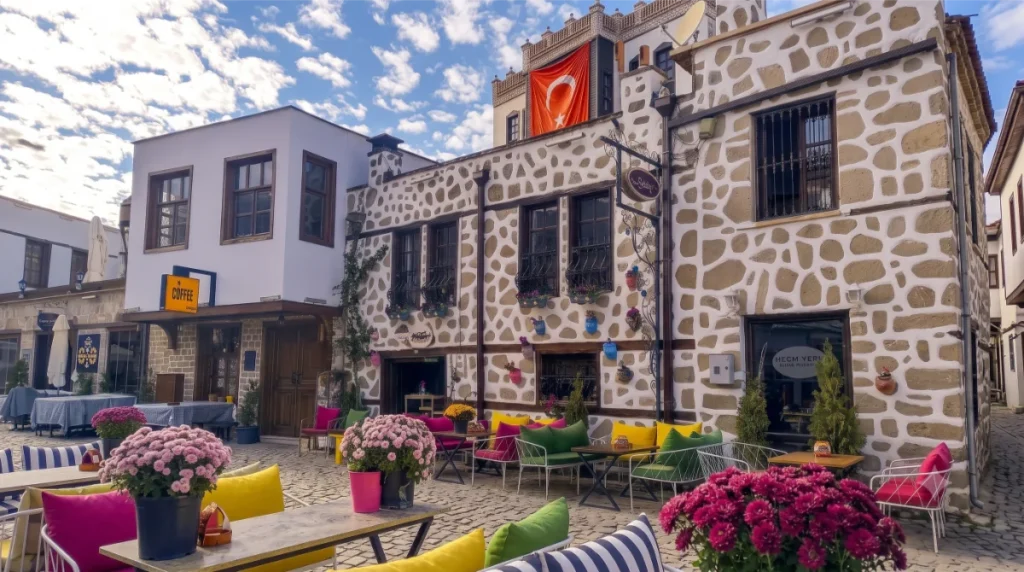
Sille Sanat Koyu: Discovering Historic Stone Houses and Byzantine Ruins
Sille sits 8 kilometers northwest of Konya’s city center. It feels like a pocket-sized Cappadocia, and every konya travel guide should include it. Rock churches, narrow cobblestone streets, and stone houses from the early Christian era pack into a village most tourists skip. Built in 327 AD by Helena, mother of Emperor Constantine, Aya Elena Church holds Byzantine frescoes that have survived remarkably well. Entry is free. Opening hours run 09:00 to 18:00 daily.
The Sille Zaman Muzesi, Turkey’s first clock museum, fills a converted chapel with everything from sundials to pocket watches. Also free, also closed Mondays. Give yourself at least two hours in Sille. Walk slowly and let the streets surprise you.
The Seljuk Mosques: Architecture That Predates the Ottoman Empire
Konya’s mosques tell a different story from Istanbul’s. These are Seljuk, not Ottoman. The proportions are lower, the ornamentation more restrained, and the history goes deeper.
Alaeddin Camii sits at the top of Alaaddin Hill, the oldest surviving mosque in the city. It contains one of the oldest wooden minbars in the entire country. The hill itself is a park, and locals gather here in the evenings for tea and conversation. Worth the climb at any time of day.
Karatay Medresesi is not a mosque but belongs in the same route. The tile museum inside holds some of the finest Seljuk ceramic work in Turkey. Entry costs a small fee. The main hall will stop you in your tracks.
Ince Minareli Medrese, a short walk away, houses the Stone and Wood Works Museum. The carved portal alone justifies the entrance fee. Both medrese are easily combined into a single morning walk from the Mevlana Museum.
Where to Eat in Konya
Konya’s food scene runs deeper than most visitors realize. The city has its own culinary language, rooted in Seljuk tradition. It is built around lamb, slow fire, and fermented dairy. Two things to know upfront. Bolu Lokantasi, which still appears in many English guides, has been permanently closed since the pandemic. Sendagli Yag Somunu has also moved. It is now at new premises in Mevlana Carsisi, not at the old Kadinlar Pazari address where most blogs still send people.
Firin Kebabi and Etliekmek
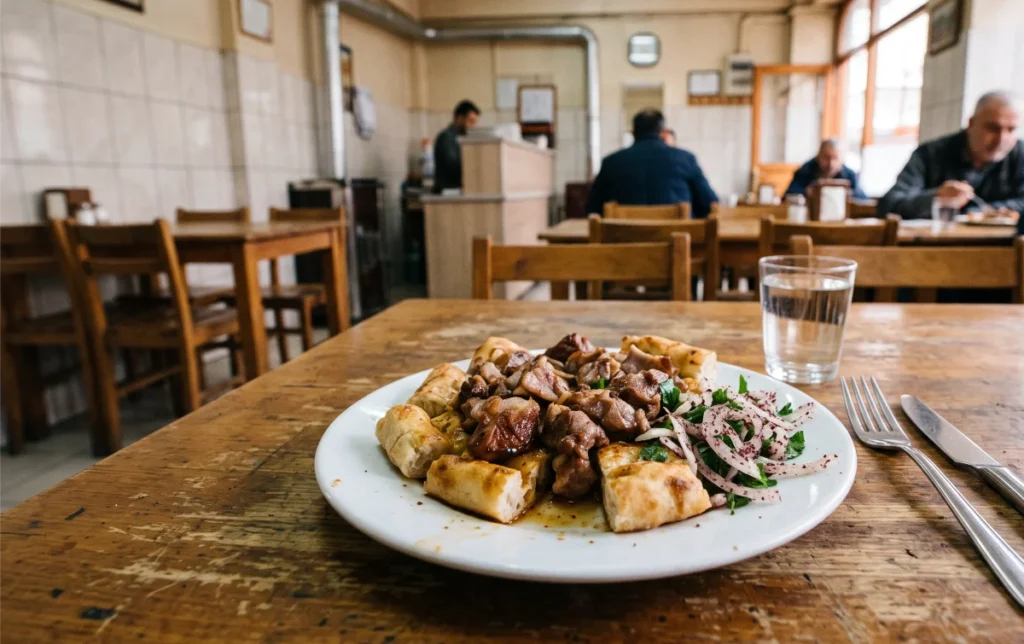
Firin Kebabi is Konya’s signature dish. Lamb neck and shoulder cooked slowly in wood-fired ovens for hours. I had been wanting to try etliekmek the whole trip but could not remember the name. I told Cemay I wanted “Konya kebab.” She brought me to Ali Baba Firin Kebap, open since 1974. When the plate arrived, it was lamb on soaked bread with bone broth and butter pooling on top.
I had been expecting something flat and enormous, the kind of thing you eat standing up. Instead I got something completely different, rich and layered and deeply satisfying. I introduced myself to firin kebabi without even knowing it. Turned out I had been asking for the wrong dish the whole time.
Hacı Şukru Firin Kebap has operated for over a century and is considered the most prestigious address for firin kebabi. Order the dry bamya soup before your main. It is a local custom and worth following.
For etliekmek, the proper version, Serenade Etliekmek in Musalla Baglari is where locals go. Not tourists. The etliekmek here is wide, short, and generously topped. Maruf Turbeonü Lokantasi preserves the same older style. I finally got my etliekmek here, and it was worth the wait.
Tirit and the Breakfast That Changed My Mind
Tarihi Tiritci Mithat is the place for tirit kebabi. Think lamb over bone-broth-soaked bread with yogurt and sumac onions. I tried it, and I will be honest. Tirit is not my thing. But if you enjoy adventurous textures, this is a genuine Konya tradition that few outsiders ever try.
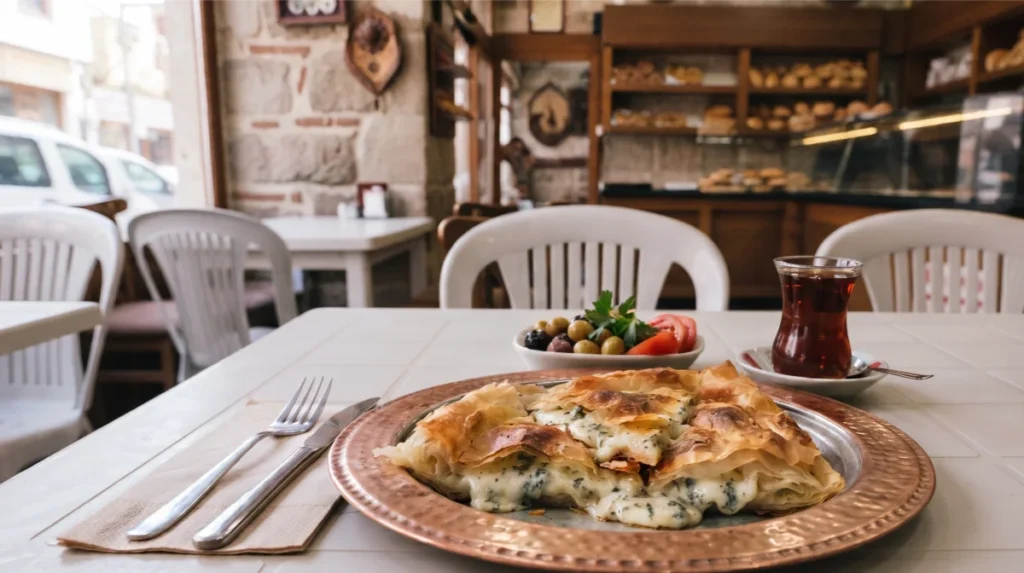
Before leaving the city, Cemay took me to a tiny local pastane near her neighborhood. She put a cheese borek in front of me made with kuflu peynir, a blue-style cheese specific to the region. I do not even like Danish blue. But this was better than Danish. Not a single crumb left.
Exploring Konya on a Backpacker Budget
The konya travel guide that actually serves budget travelers looks different from most. Almost every major attraction here is free. Mevlana Museum, Sema ceremony, Aya Elena Church, Sille museums, and Catalhoyuk all cost nothing to enter.
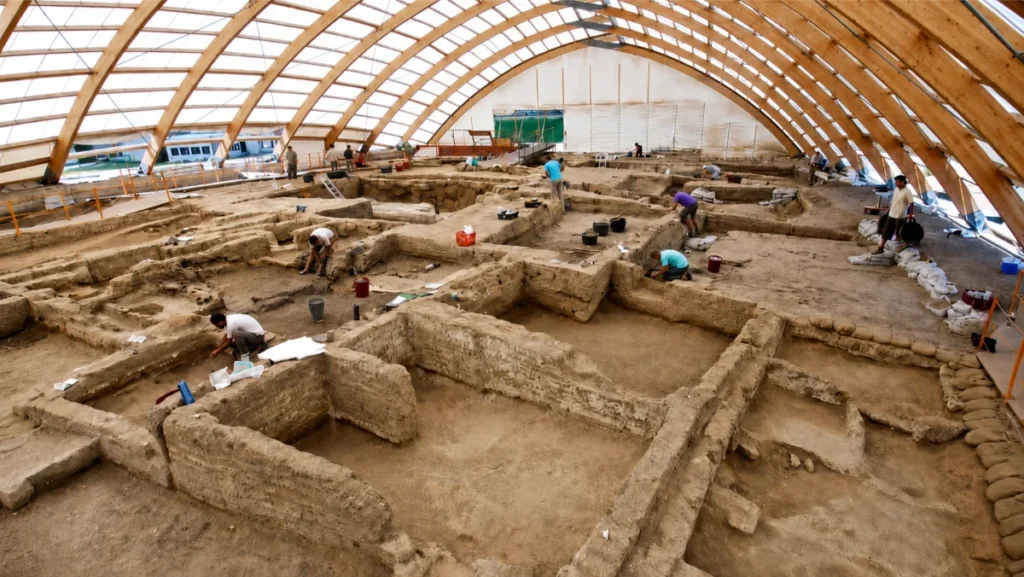
Catalhoyuk sits 45 kilometers from the city center. It is UNESCO listed and one of the oldest urban sites ever discovered. Entry is free. Bring a hat, sunglasses, and water. Shade is limited and the sun reflects hard off the excavation site.
Karatay Medresesi and Ince Minareli Medrese both charge small entry fees. Both are worth paying. The tilework in Karatay alone makes it one of the most beautiful interiors in central Anatolia.
Race Across the World contestants worked within a strict daily budget crossing Turkey. Konya would have been one of their most affordable stops. Street food, free museums, and budget guesthouses near the Mevlana district keep daily costs genuinely low.
If your route extends toward Cappadocia or Ankara, having a car makes everything easier. Book your rental car here before you arrive for the best availability.
For full logistics on getting here, read our How to Get to Konya guide.
Practical Tips
Book the Sema ceremony seat early. Doors open one hour before the Saturday evening performance. Arrive as soon as they do. The hall fills fast during peak season.
Get your eSIM before arriving. Coverage is solid in the city center but patchy near Sille and Catalhoyuk. Set up your Turkey eSIM here before you land.
Skip Bolu Lokantasi. It is permanently closed. Any guide still recommending it is outdated. Go to Serenade or Maruf Turbeonü instead.
Find Sendagli Yag Somunu at Mevlana Carsisi. The famous kuflu peynir stuffed bread moved from Kadinlar Pazari to new premises here. That old address is now empty. The new location opens from 07:00 until the evening prayer.
Explore Sille on a weekday. Weekend crowds from Konya itself fill the narrow streets by midday. A Tuesday or Wednesday morning is a completely different experience.
FAQ
Is Konya worth visiting on a Turkey itinerary? Yes, especially if you want something genuinely different from the coastal resorts and Istanbul crowds. Every konya travel guide should be upfront about this: the spiritual depth, the Seljuk architecture, and the food culture make it one of Turkey’s most underrated cities.
When is the Sema (Whirling Dervish) ceremony in Konya? Every Saturday evening at the Mevlana Culture Center. Entry is free. Arrive at least one hour early. Flash photography and applause during the ceremony are not permitted.
How is Konya connected to Race Across the World? The show’s route through Turkey brought contestants through this region. That put the city on the radar of international backpackers who had not previously considered it.
Is Konya safe for solo female travelers? Yes, very. It is consistently rated among the safest cities in Turkey. The conservative character of the city tends to create a calm, low-hassle environment for solo women.
How many days do you need in Konya? Two full days covers the Mevlana Museum, Sille, the major mosques, and a proper food exploration. Three days lets you add Catalhoyuk and slow down without rushing.
Can you visit Konya as a day trip from Istanbul? Yes. This private day trip with flights covers Catalhoyuk and the city in a single day from Istanbul. It is a long day but a realistic one.