Zungri Caves Guide: Discovering Calabria’s Ancient Stone Settlement
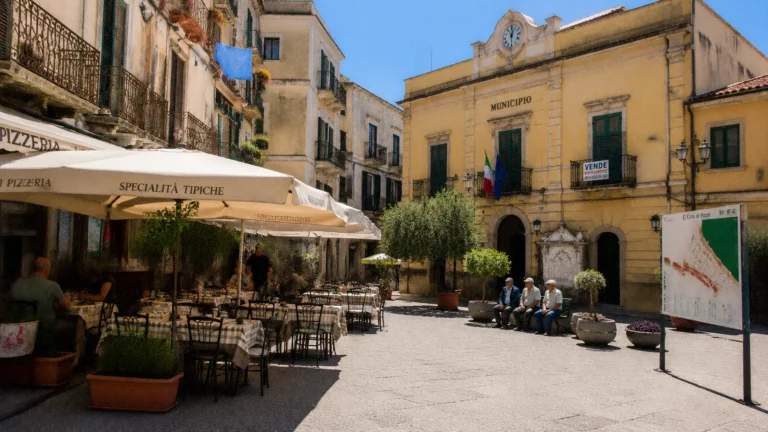
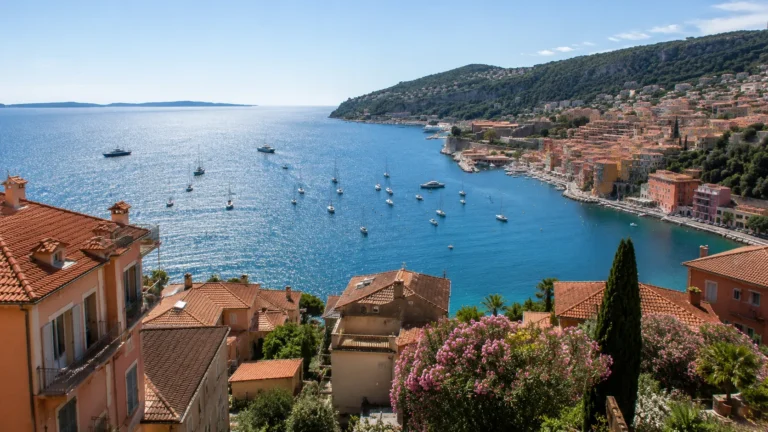
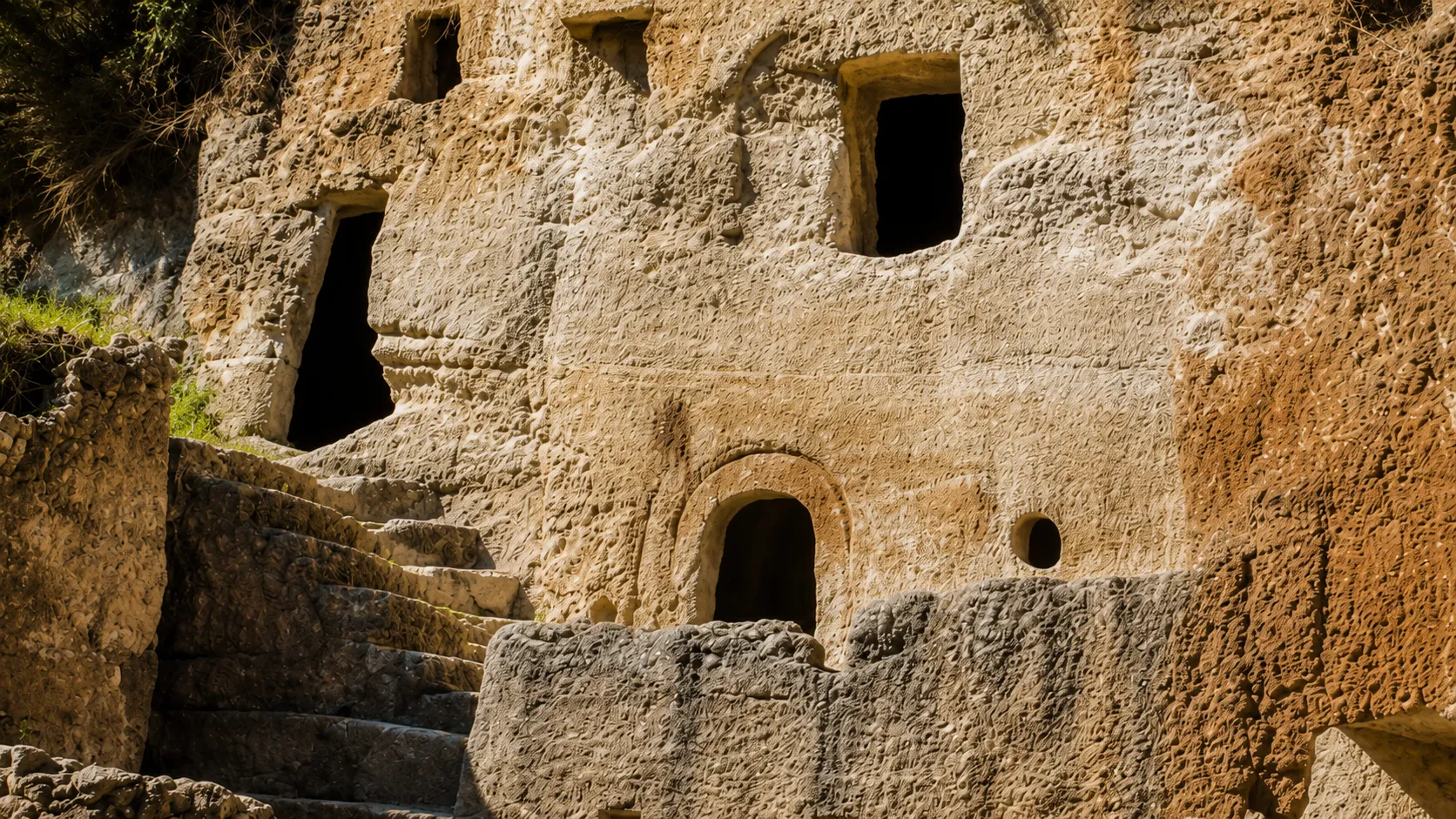
Thirty minutes from Tropea’s beach, the landscape changes completely. The Zungri caves Calabria site begins where the coast disappears behind the hills, the road narrows, and the town of Zungri appears on a ridge above a green valley. Below the town, carved into the volcanic tufa cliffs, is one of the most unusual archaeological sites in southern Italy.
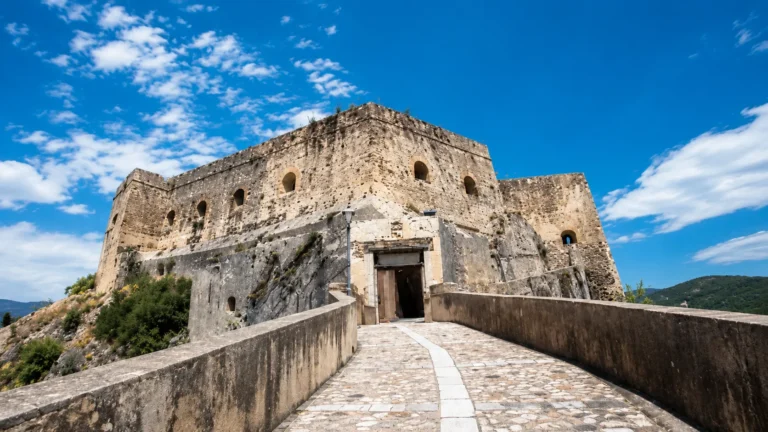
A Byzantine-era rock settlement, inhabited from roughly the 6th to the 16th century, the caves held families who lived, cooked, and stored grain in chambers cut directly into the cliff face. Ottoman raids made the coastal position indefensible. The population moved inland to higher ground. The settlement sat largely forgotten until archaeological surveys in the 1980s revealed the full extent of what the cliff contained.
Most visitors to Calabria drive past the Zungri caves Calabria turnoff without knowing it exists. This guide covers the site properly.
Quick Info
| Category | Details |
|---|---|
| Entry fee (2026) | €4 per person (caves + museum combined) |
| Opening hours | Seasonal, check locally before visiting |
| Hiking difficulty | Moderate, uneven rock paths |
| Duration | 2–3 hours for the full site |
| Facilities | Toilets on site, hilltop restaurant |
| Distance from Tropea | ~30 minutes by car |
| Car rental | Compare rates |
| Guided tour | Book here |
What Are the Zungri Caves Calabria?
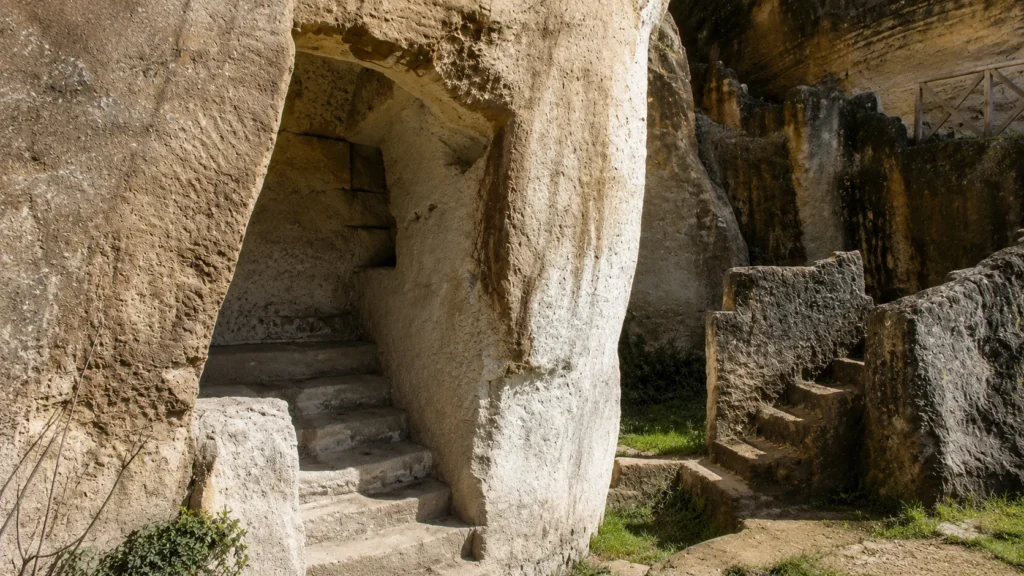
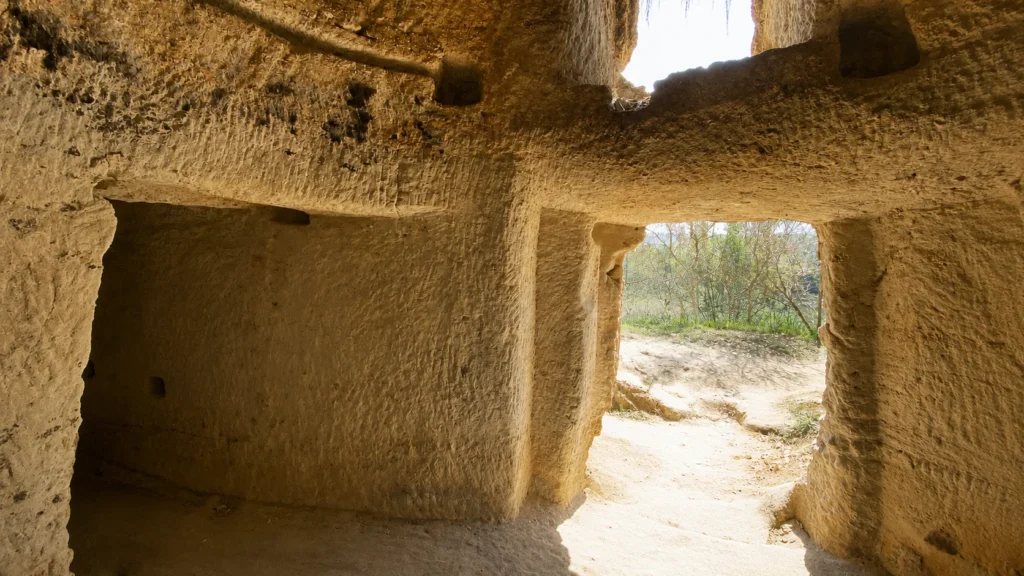
The Zungri caves Calabria are officially known as the Insediamento Rupestre di Zungri, the Rock Settlement of Zungri. The site covers approximately one hectare of cliff face, containing over 400 individual chambers of various sizes carved into the soft tufa stone.
The chambers served different functions. Smaller ones were used for grain storage, pressing olives, or housing animals. Larger chambers with smoke-blackened ceilings were living spaces, with carved niches in the walls for oil lamps and religious objects. Some chambers have carved channels for water drainage, indicating that the inhabitants had developed practical solutions to the basic problems of cliff-face living over centuries.
The settlement is sometimes called the Petra of Calabria, a reference to the Jordanian rock city. The comparison is dramatic but not entirely inaccurate. Both are cliff-face settlements that reveal sophisticated community organization in seemingly inhospitable terrain. However, Zungri is smaller, less visited, and essentially unknown outside Calabria. That combination is the opportunity.
The Historical Context: Why People Lived Here
The Byzantine period settlement at Zungri caves Calabria reflects a broader pattern in southern Italian history. The Tyrrhenian coast was subject to repeated Arab and later Ottoman raids from the 9th century onward. Coastal settlements were vulnerable. Communities moved inland and upward, choosing defensive positions over agricultural convenience.
The tufa cliffs above Zungri offered exactly what these communities needed: easily carved rock that provided insulated living spaces, a natural defensive position, and proximity to the agricultural land in the valley below. The settlement expanded over several centuries before being definitively abandoned in the 16th century as the coastal threat finally subsided.
Hiking the Zungri Caves Trail
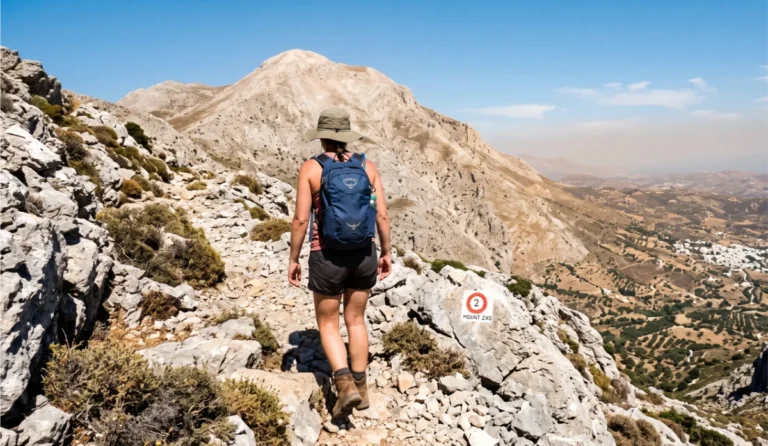
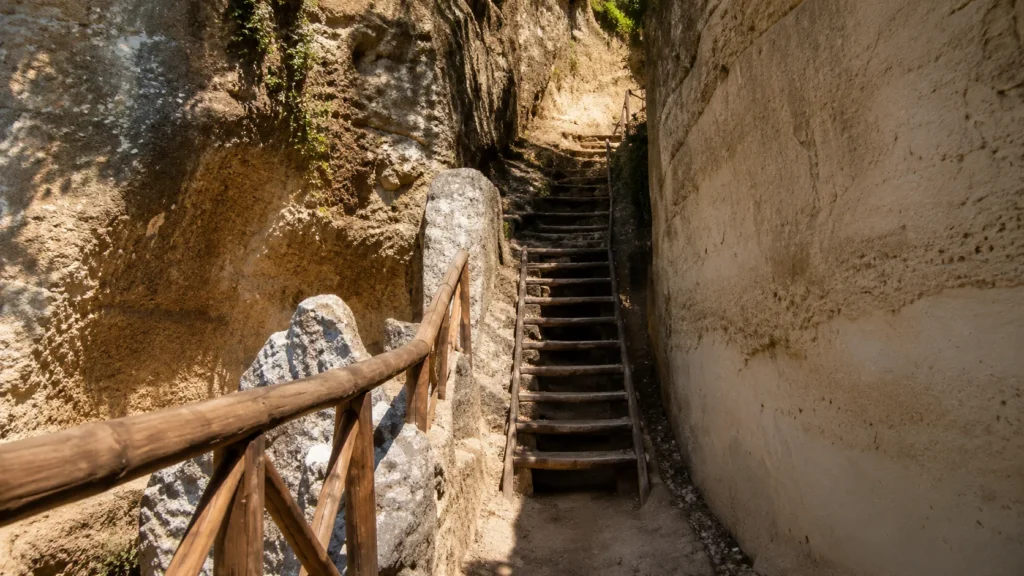
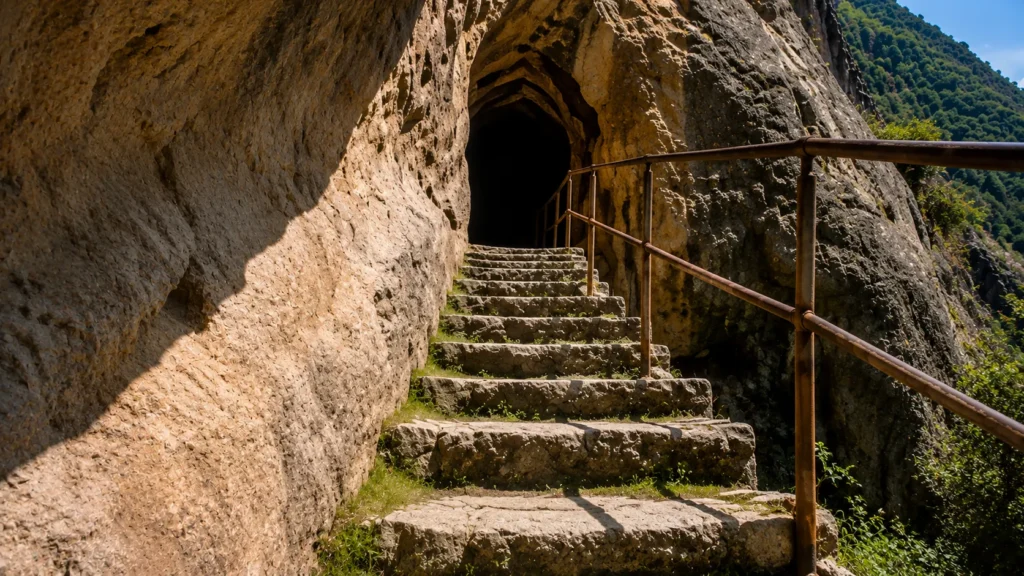
The hiking trail through the Zungri caves Calabria settlement is the core of the visit. The path runs along the cliff face, passing through and between the individual chamber clusters, with wooden walkways and carved stone steps connecting the different levels.
The trail takes approximately 45-60 minutes to walk properly, including time to look inside individual chambers and read the information panels. The difficulty is moderate: the path is uneven, with sections of carved stone that can be slippery in wet conditions. Footwear with grip is appropriate. Sandals are not suitable.
The highest point of the trail gives a view across the valley below Zungri, with the Calabrian hills extending toward the coast. On clear September days, the sea is visible in the distance. Moreover, from this elevated position, the full extent of the cliff-face settlement becomes apparent in a way that’s not possible from the path level.
Timing note: The trail is exposed in sections and becomes uncomfortable in peak summer midday heat. Visiting in the morning, or in September when temperatures are moderate, gives a significantly more comfortable experience. Additionally, the early morning light on the tufa stone creates better photography conditions than midday.
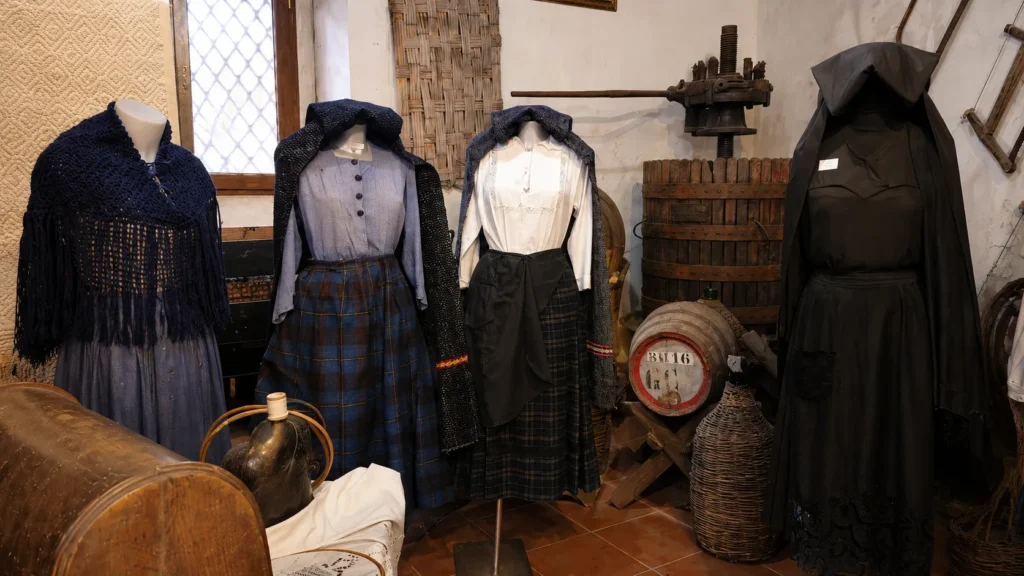
The Museum of Rural Life (Museo della Civiltà Contadina)
Most travel guides skip this section of the Zungri caves Calabria visit entirely, because most travel guides don’t mention Zungri at all.
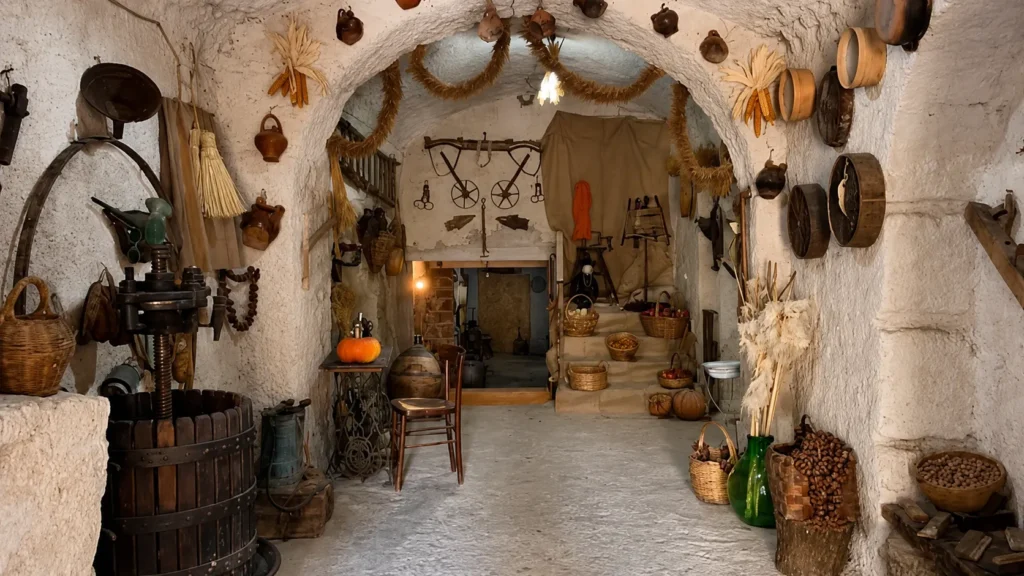
A restored building at the site entrance houses the collection, documenting agricultural and domestic life in the Calabrian highlands from the medieval period to the early 20th century. Original farming implements, wool-working tools, traditional ceramic vessels, and textiles fill the display cases.
The most specific exhibit worth finding is the traditional Calabrian wedding costume, a complete 19th-century bride’s outfit in hand-embroidered silk with silver thread detailing. The craftsmanship is extraordinary and the piece is displayed in a case that allows examination of the embroidery at close range. Specifically, this level of textile work is invisible in the standard Calabrian tourist circuit, which focuses on beaches and ancient ruins rather than domestic craft traditions.
I spent more time in this museum than I expected. The farming tools section documents practices that disappeared within living memory: hand-powered grain mills, terracotta oil storage jars of a specific local design, wooden plows fitted for the steep hillside terrain of Calabria’s interior. The museum is small but it’s the kind of small that means every object earns its place.
The Hilltop Restaurant and Local Gastronomy
At the highest point of the Zungri caves Calabria site, above the hiking trail and museum, a local restaurant serves traditional Calabrian dishes made from ingredients sourced from the surrounding hills. The restaurant operates primarily at lunch and is the correct place to eat after the trail.
The menu changes with the season and availability, but consistently features the local antipasti tradition: cured meats, preserved vegetables in olive oil, local cheeses, and bread baked fresh that morning. In September, the menu includes dried peppers and preserved aubergines characteristic of the autumn harvest period.
Ask the staff about the bread-making days organized by the local women’s association. On certain dates, visitors can participate in traditional bread preparation using the same wood-fired methods documented in the museum below. The schedule isn’t fixed and doesn’t appear online, but asking on arrival often produces an answer worth acting on.
Practical Tips for Visiting Zungri Caves Calabria
Verify opening hours before visiting. The Zungri caves Calabria site operates on a seasonal schedule that changes year to year. The most reliable current information comes from calling the Comune di Zungri directly or checking with your hotel the morning of your planned visit.
Wear appropriate footwear. The stone trail is uneven and can be slippery after rain. Grip-soled shoes or light hiking shoes are the correct choice. Sandals make the upper sections of the trail uncomfortable.
Allow more time than you think you need. The €4 entry covers both the cave trail and the museum. Most visitors allocate an hour. The full experience, trail plus museum plus restaurant, takes 2.5-3 hours and rewards the slower pace.
Combine with a coastal afternoon. Zungri is 30 minutes from Tropea by car. A morning at the caves and an afternoon on Tropea’s beach is a natural pairing for the day. Compare car rental rates for the Costa degli Dei to make this flexibility possible.
Book the guided tour if transport is a concern. The site is not reachable by public transport from Tropea. This guided half-day tour from Tropea includes transport and a local guide and is the practical option for travelers without a rental car.
Activate a European eSIM before departure. Signal on the approach roads to Zungri is inconsistent. Activate an eSIM before your flight and download offline maps for the Vibo Valentia interior before leaving Tropea.
For the broader context of the Costa degli Dei region, see Costa degli Dei Complete Slow Travel Guide: Calabria, Italy. The full week itinerary that includes Zungri is at How to Structure Your 7-Day Calabria Itinerary: Pizzo, Tropea, and Beyond. Accommodation options across the coast are covered at Where to Stay in Tropea: Best Luxury Boutique Hotels & Scenic Agriturismos.
FAQ
What are the Zungri caves in Calabria? A Byzantine-era rock settlement carved into tufa cliffs above the town of Zungri, inhabited from roughly the 6th to 16th century. The site contains over 400 carved chambers and a museum documenting rural Calabrian life. Entry costs €4 per person (2026 rate).
How difficult is the Zungri caves hiking trail? Moderate. The path is uneven with carved stone steps and wooden walkways. It’s manageable for most visitors in appropriate footwear but not suitable for sandals or visitors with significant mobility limitations.
How far is Zungri from Tropea? Approximately 30 minutes by car. The site is not reachable by public transport. This guided half-day tour from Tropea includes transport for visitors without a rental car.
Is the Zungri caves museum worth visiting? Yes. The Museum of Rural Life documents Calabrian agricultural and domestic traditions with original artifacts. The 19th-century wedding costume exhibit alone justifies the additional 30 minutes.