The Ultimate Koh Mak Travel Guide: Thailand’s First Low-Carbon Hidden Paradise (2026)
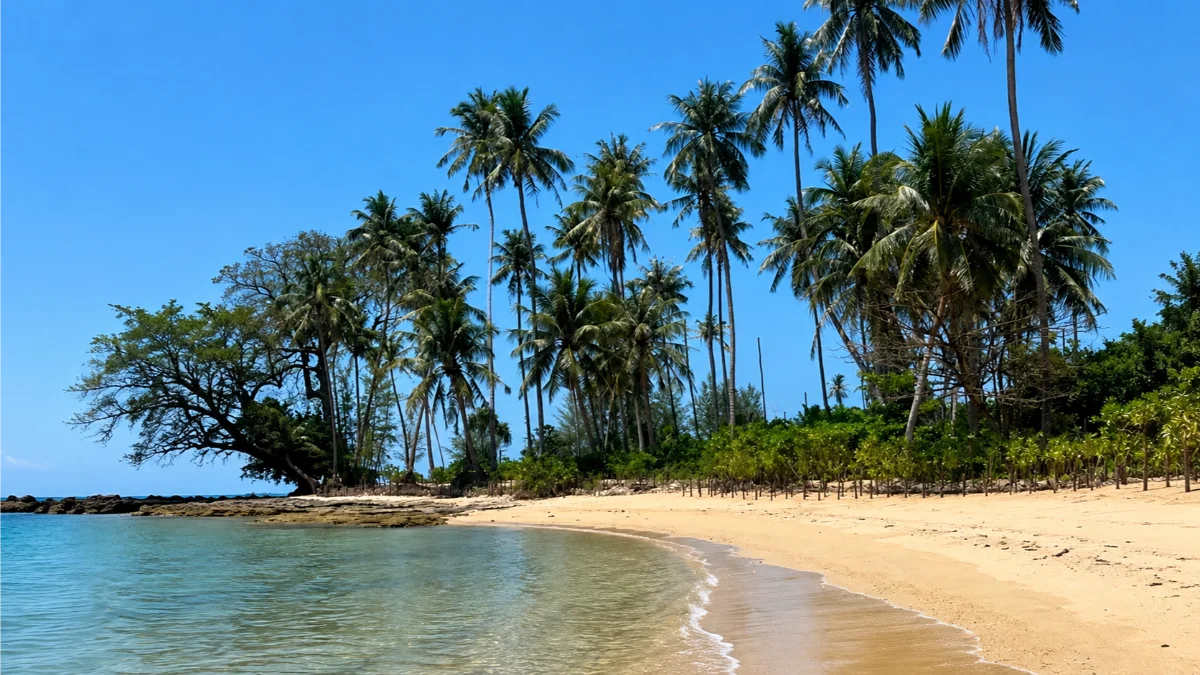
This Koh mak travel guide covers an island that runs on rules most Thai destinations would never accept. Jet skis are banned, 7-Eleven is not allowed, and buildings cannot rise above the palm trees. I spent a week here sleeping in a garden view bungalow made from natural materials, eating soft shell crab over the water, and kayaking to a ghost island with a couple I met at breakfast. Koh Mak is not trying to compete with Koh Chang or Koh Samui. It is doing something entirely different.
Quick Info
| Info | Details |
|---|---|
| Getting there | Ferry from Laem Sok or Laem Ngop Pier, Trat. Book ferry on 12go |
| Ferry time | 30-50 minutes depending on operator |
| Ferry fare | 500-550 THB one way |
| From Koh Chang | 3/4 Islands snorkel tour with Koh Mak stop (if staying in Koh Chang) |
| eSIM | Get your Thailand eSIM before you fly |
| Local transport | Scooter 250-350 THB/day, golf cart 500-1,000 THB/day |
| Cash rule | No ATMs on the island. Withdraw in Trat before boarding. |
| Best season | November to April (high season) |
Is Koh Mak Worth Visiting? Honest Pros and Cons for International Travelers
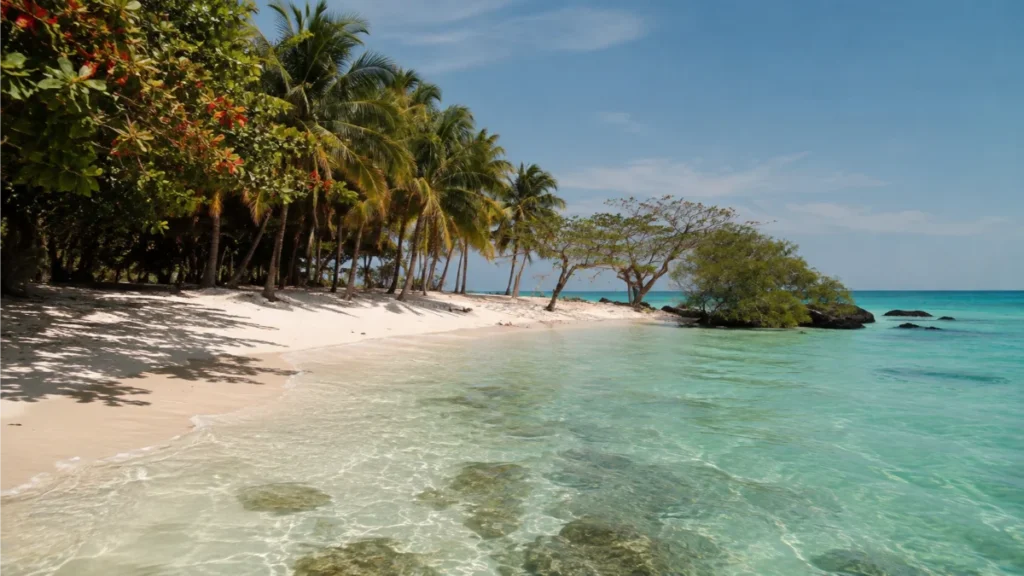
Is koh mak worth visiting? That depends on what you want from an island. If you need nightlife, shopping, and convenience, look elsewhere. If you want a protected ecosystem where the community actively chose sustainability over profit, this is your place.
Koh Mak operates under the Koh Mak Charter. This local agreement created a set of rules that shape everything about the island. Jet skis and motorized water sports are banned to protect the coastline and sea grass beds. International franchise chains cannot open here. Restaurants source seafood from island fishermen and vegetables from local organic farms. Single-use plastics are restricted. Buildings must stay below palm tree height and use natural materials. The island earned Thailand’s first official “Low-Carbon Destination” title and a Green Destinations award through these efforts.
The trade-offs are real though. There is no ATM anywhere on the island. Luxury resorts accept credit cards but charge three to five percent commission. Thailand’s PromptPay QR system does not work with foreign bank accounts. You need enough cash in Thai baht to cover your entire stay. Withdraw at the airport or in Trat town before you board the ferry.
Certain beaches, especially Ao Pra and Ao Tan, have aggressive sandflies. Standard DEET sprays do not work against them. Cold-pressed coconut oil applied directly to your skin is the most effective barrier. If you do get bitten, local shops sell Zambezi Balm and eucalyptus ointments that stop the itching quickly.
In a Rush? The Perfect 3-Day Koh Mak Itinerary
A solid koh mak itinerary fits comfortably into three days. Here is how I would plan it.
Day 1: Arrive and Explore by Scooter
Catch the morning ferry from Laem Sok Pier. Book your ticket through 12go to secure your seat. The Boonsiri catamaran takes about 45 minutes. Arrive at Ao Nid Pier and rent a scooter from one of the shops nearby. Rates run 250 to 350 THB per day. Ride around the island. The main roads are paved but interior paths turn to sand and dirt.
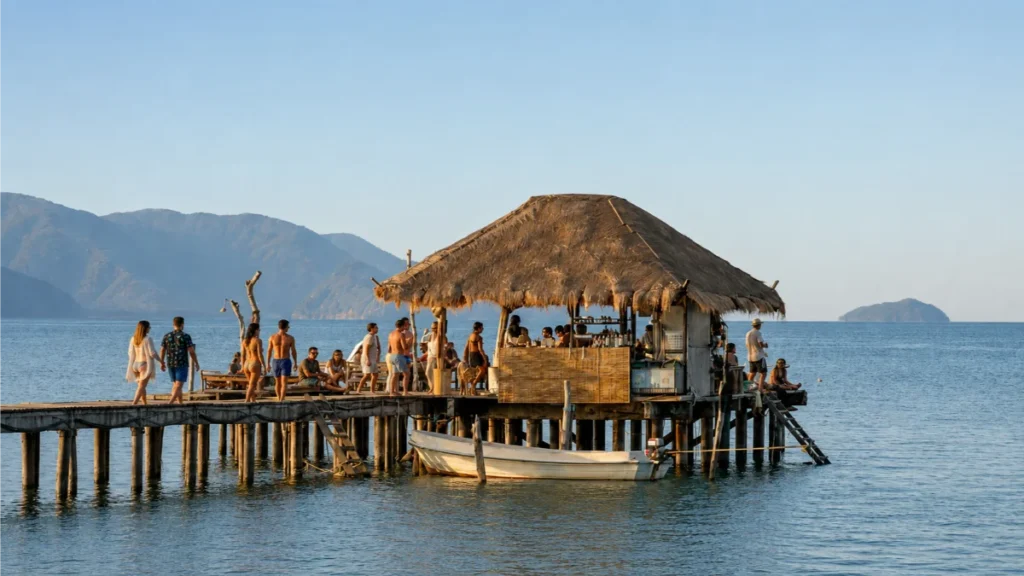
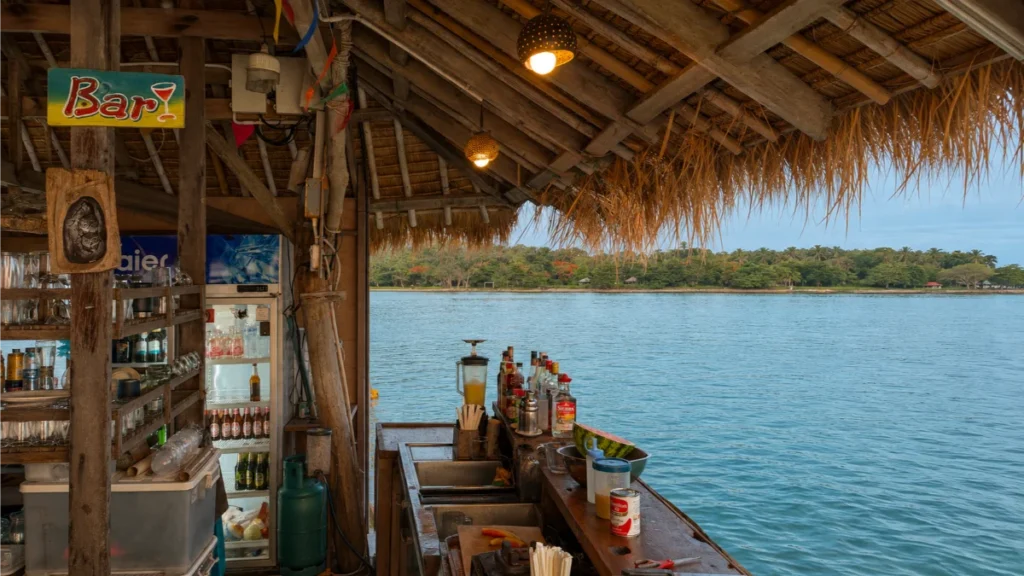
Spend the afternoon at Ao Kao Beach. Swim, snorkel off the rocks, and settle in. For sunset, ride to Banana Sunset Bar on the southern tip. PK, the owner, mixes cocktails while the sky turns orange. This is the only place on the island serving Khao Soi, the northern Thai curry noodle soup. Some evenings the music runs until 02:30, so check before you go if you want quiet.
Day 2: Koh Kham and Seafood Dinner
This is the highlight day. Kayak or take a longtail to Koh Kham, the ghost island. Details in the section below.
For dinner, head to Koh Mak Seafood at Ao Nid. The restaurant sits on wooden stilts above the water. Order the garlic pepper soft shell crab and the squid cooked in its own ink. The homemade coconut ice cream finishes the meal perfectly. During high season, this place fills up fast. Make a reservation through your hotel before you go.
Day 3: Koh Kradat Safari and Departure
Take a morning boat to Koh Kradat, the Deer Island. Entry costs 100 THB and includes a tractor safari tour through the island. Hundreds of deer roam freely. It is a surreal experience that takes about two hours.
Return to Koh Mak, pack up, and catch the afternoon ferry back to the mainland. For the full transport breakdown, read How to Get to Koh Mak.
Unmissable Things to Do in Koh Mak Beyond Relaxing
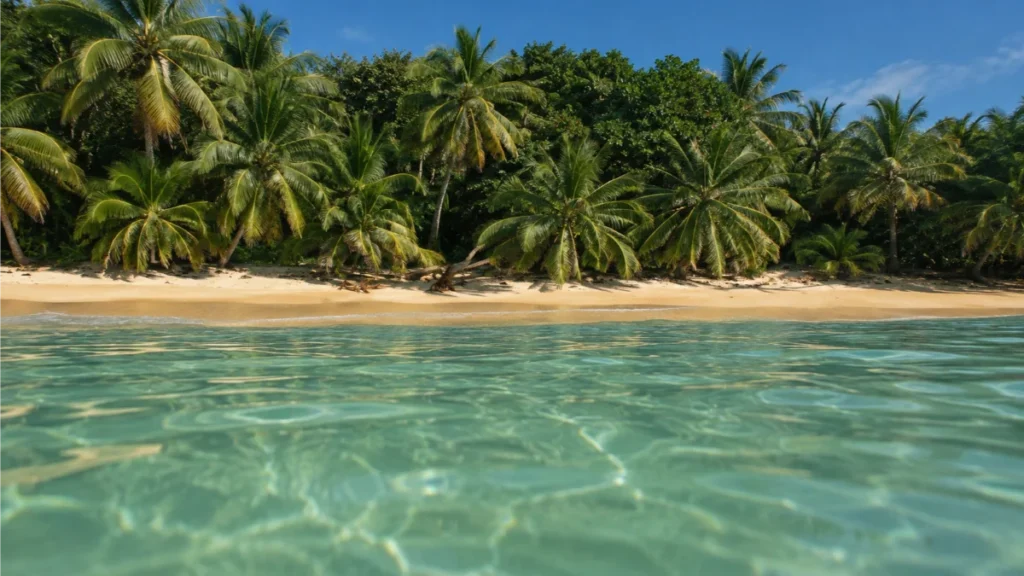
The best things to do in koh mak go far beyond lying on the beach.
Kayaking to the Ghost Island: Koh Kham Guide
Koh Kham sits a short paddle from Ao Suan Yai Beach. You can rent a kayak for 100 to 200 THB per hour and reach the island in 20 to 30 minutes. When you land, pay 200 THB entry fee to the attendant on the beach.
The easier option is a longtail boat from the wooden pier near Koh Mak Resort. The 300 THB ticket covers the return boat transfer, island entry, and one free drink from the beach kiosk.
I planned this trip with a couple I met at breakfast. We spent the evening before studying tide charts like we were planning a NASA mission. Calculating the exact low tide window, checking wind direction, debating departure time. It paid off. We arrived right as the 500-meter sandbar emerged from the water, connecting Koh Kham back toward Koh Mak. We walked the entire length of it. White sand stretching in both directions, volcanic black rocks creating a striking contrast on either side. Then we explored the abandoned Ananya Hideaway resort deeper on the island. Half-finished marble lobbies and overgrown luxury suites, frozen mid-construction due to property disputes. One hour later the tide started rising and the sandbar disappeared. Checking the tide table is not romantic, but if you want to see that sandbar, it is mandatory.
Biking Through the Coconut Plantations
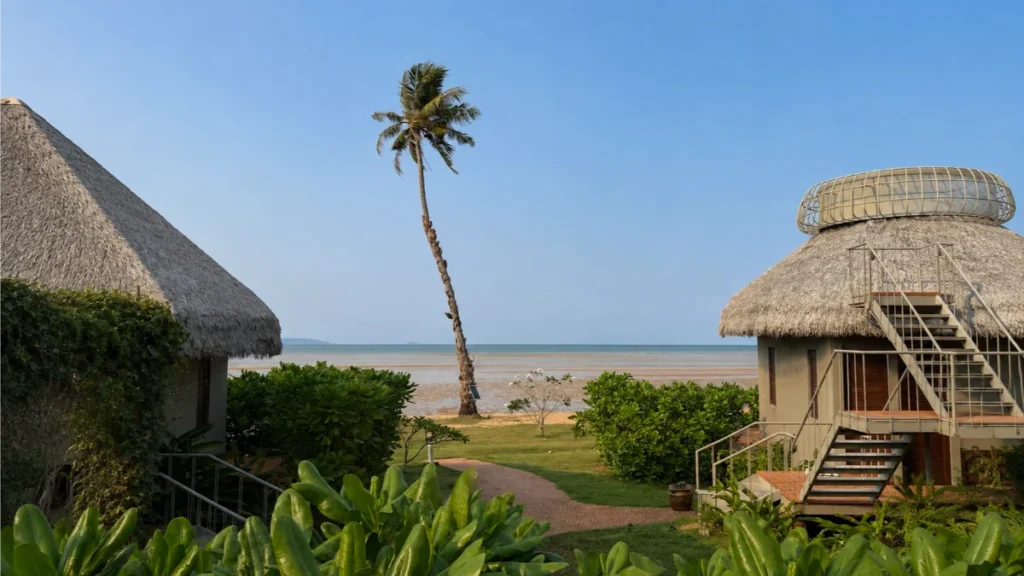
Koh Mak’s interior is a network of quiet roads through rubber and coconut plantations. DASTA, Thailand’s sustainable tourism agency, mapped official low-emission cycling routes across the island. Most hotels lend bicycles for free or charge a minimal fee. The terrain is mostly flat with gentle hills. Ride through organic palm gardens, stop at family-run shops for fresh coconut water, and cover the whole island in a couple of hours.
Snorkeling at Koh Rang National Park
Koh Rang sits within the national marine park southwest of Koh Mak. The coral reefs here are among the healthiest in the Gulf of Thailand. Snorkelers pay 200 THB national park entry. Divers pay 400 THB. Both fees are cash only, collected on site. Most hotels arrange half-day snorkeling trips. Koh Mak also runs coral restoration programs where visitors can join guided coral planting sessions.
Koh Rayang Nok
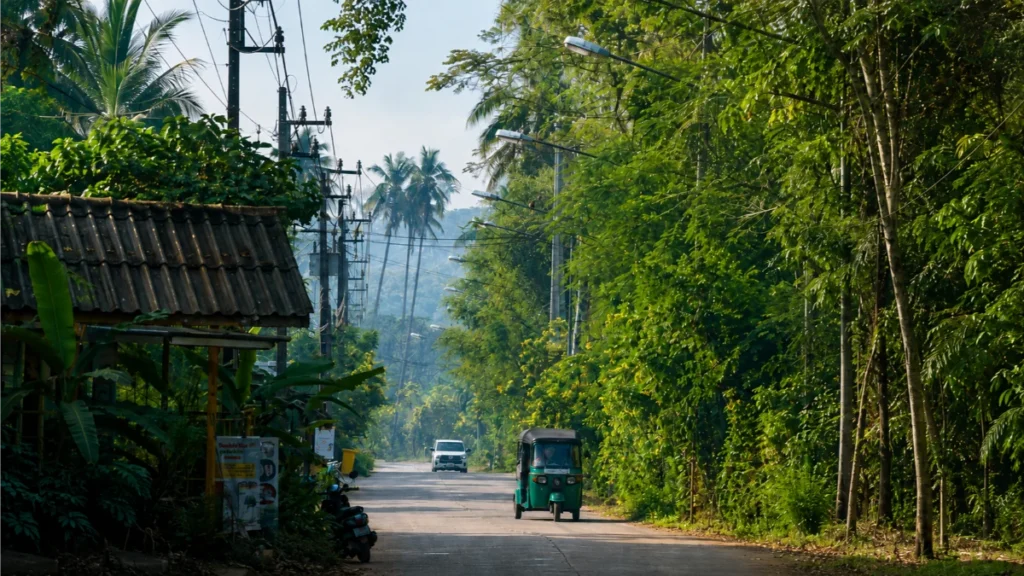
This tiny island east of Koh Mak costs 100 THB to enter. The former resort (Rayang Phurin) has closed permanently. There are no food or drink vendors on the island. Bring everything you need. The snorkeling is excellent and the isolation is complete.
Best Time to Visit Koh Mak: Avoiding the Monsoon Rains
High season runs from November through April. Ferries operate on full schedules. All resorts are open. The sea is calm and every beach is swimmable. Island hopping between Koh Chang, Koh Mak, and Koh Kood works seamlessly during these months.
Between May 16 and October 15, the monsoon changes everything. Direct speedboat connections between the three islands shut down completely. If you want to move from Koh Mak to Koh Chang during low season, you have to return to the mainland first and catch a separate ferry. Most speedboat operators like Seudamgo, Leelawadee, and Koh Kood Express stop running entirely. Only Koh Mak Ferry from Laem Ngop and Boonsiri from Laem Sok maintain limited service.
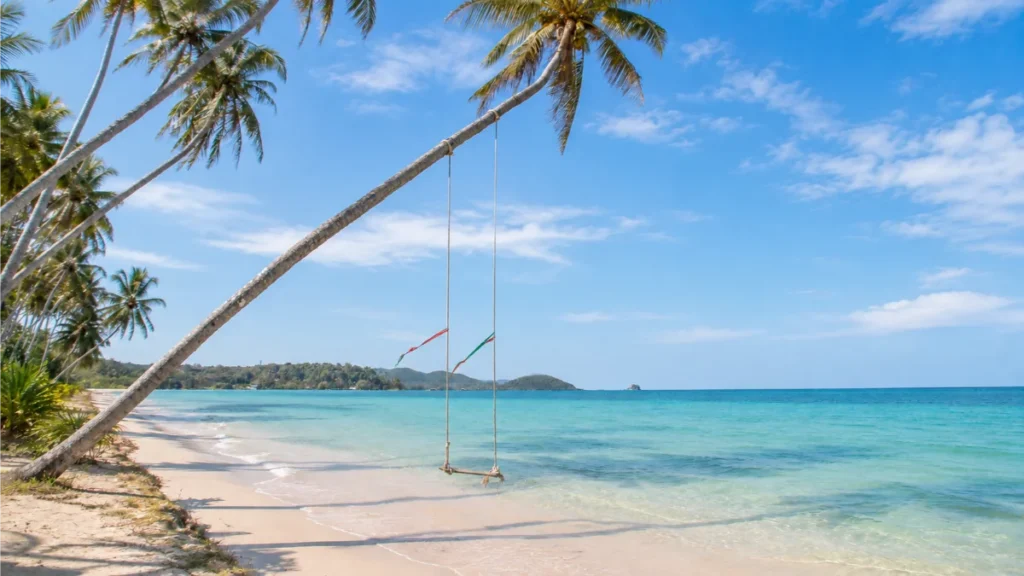
Some budget bungalows close for the season. Weather becomes unpredictable with heavy afternoon downpours. However, the island turns lush green and prices drop significantly. If you accept the limited transport and pack rain gear, low season offers a raw and quiet version of Koh Mak that high season visitors never see. For the full hotel breakdown, read Where to Stay in Koh Mak.
Practical Tips
Cash Before Boarding. No ATMs exist on Koh Mak. Credit cards work at luxury resorts with a three to five percent surcharge. Everything else requires cash. Withdraw enough Thai baht in Trat or at the airport before heading to the pier.
Sandfly Defense. Ao Pra and Ao Tan beaches have the worst sandfly activity. DEET sprays are ineffective. Apply cold-pressed coconut oil before every beach visit. If bitten, Zambezi Balm from local shops stops the itch fast.
Scooter vs Golf Cart. Scooters cost 250 to 350 THB per day and handle every road on the island. Golf carts cost 500 to 1,000 THB per day but struggle on sandy interior paths and the southern beach tracks. Choose based on your riding confidence.
Stay Connected. Download a Thailand eSIM before your trip so you have data from the moment you land. 4G works well in Ao Kao and Ao Suan Yai. Signal drops in the interior.
Pier Confusion. Ferries depart from two different mainland piers. Boonsiri, Seudamgo, and Koh Kood Express leave from Laem Sok Pier. Koh Mak Ferry, Panan, and Leelawadee leave from Laem Ngop Pier. Check your operator before heading to the wrong dock. Full details in How to Get to Koh Mak.
FAQ
Is Koh Mak worth visiting? Yes, if you want a Thai island that prioritizes nature over nightlife. The Koh Mak Charter bans jet skis, chain stores, and high-rise buildings. Beaches are clean, crowds are small, and prices stay at mainland levels. The trade-off is limited infrastructure, no ATMs, and part-time electricity at budget stays.
How many days do you need on Koh Mak? Three days covers the highlights comfortably. You can explore the island by scooter, kayak to Koh Kham, visit Koh Kradat, and eat at the best restaurants without rushing. Five days lets you add Koh Rang snorkeling, the coral restoration program, and plenty of hammock time.
How do I get from Bangkok to Koh Mak? The most popular route is a Boonsiri combined bus and ferry from Khao San Road for 850 THB. The state bus Line 999 from Ekkamai goes directly to Laem Ngop Pier for 292 THB. Flying to Trat Airport (TDX) and taking a minibus transfer to the pier is the fastest option. The ferry crossing takes 30 to 50 minutes.
When is the best time to visit Koh Mak?
High season from November through April offers the best weather, full ferry schedules, and all resorts open. Low season from May through October brings monsoon rains, reduced ferries, and some resort closures. Direct island-hopping between Koh Chang, Koh Mak, and Koh Kood stops entirely during low season.
Is there an ATM on Koh Mak? No. The island has zero ATMs. Some luxury resorts accept credit cards with a three to five percent surcharge. Thailand’s PromptPay QR system does not work with foreign bank accounts. Bring all the cash you need from the mainland.
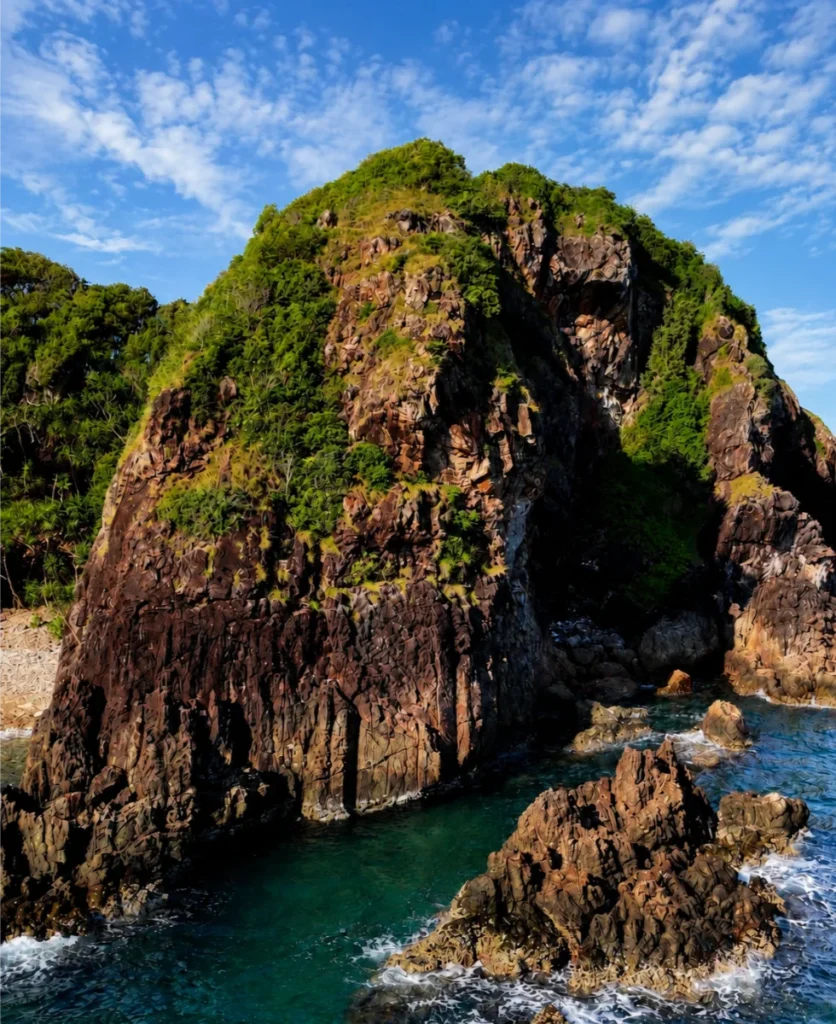
What is the Koh Kham sandbar? During low tide, a 500-meter sandbar emerges connecting Koh Kham toward Koh Mak. You can walk its entire length. During high tide it disappears completely. Always check the tide schedule before visiting. The sandbar combined with volcanic black rocks and white sand creates one of the most photographed scenes in the Trat islands.
Can I rent a golf cart on Koh Mak? Yes. Full-day rental costs 1,000 THB and half-day costs 500 THB. Golf carts work well on paved main roads. They struggle on sandy beach paths and the unpaved interior tracks. Scooters at 250 to 350 THB per day are more versatile if you are comfortable riding.