Koh Kood Itinerary: 3-Day Travel Guide & Local Realities (2026)
I built this Koh Kood itinerary after spending a full week on the island and exploring its beaches, waterfalls, roads, and ferry connections firsthand. Travel information can change quickly, and some practical details are not always easy to confirm before arriving. So I wanted to create a clear, up-to-date day-by-day plan that actually works in 2026. I will walk you through every detail, from ferry timings and the correct piers to transportation, waterfall access, beach conditions, and sandfly defense.
Quick Info
| Info | Details |
|---|---|
| Best for | Adventure travelers, couples, nature lovers |
| Ideal duration | 3 days minimum |
| Ferry to Koh Kood | Book ferry tickets on 12go from Laem Sok Pier (NOT Centerpoint Pier) |
| Snorkeling tour | Koh Rang snorkeling day trip |
| Speedboat tour | Snorkeling speedboat tour with lunch |
| Diving | Certified dive trip |
| Klook alternative | Full-day snorkel with PADI center |
| eSIM | Get your Thailand eSIM before you fly |
| Scooter rental | 200–400 THB/day, international license required |
| Best season | November to April (dry season) |
Why Koh Kood Should Be on Your Thailand Bucket List
Thailand has hundreds of islands. Most of them feel overrun. Koh Kood is different. The island sits near the Cambodian border in Trat province. It is Thailand’s fourth largest island, yet fewer than 2,500 people live here. Total bed capacity stays around 1,600 rooms. That means no packed beach bars, no full moon parties, no chaos.
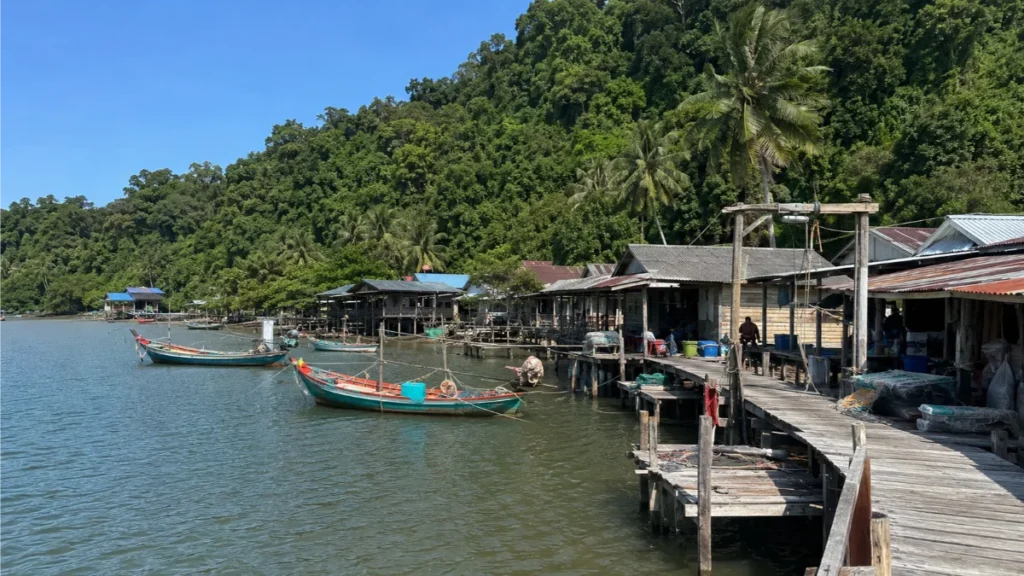
Instead, you get three-tiered waterfalls surrounded by jungle. You get 500-year-old trees wrapped in sacred cloth. You get fishing villages on stilts where locals wave at you from wooden porches. This is not the Thailand you see on Instagram reels. It is quieter, slower, and far more honest.
However, that remoteness comes with trade-offs. ATMs are rare. Card payments often fail. The nearest hospital is on the mainland. If you plan well, none of this is a problem. If you do not, your trip can get complicated fast. This koh kood travel guide covers exactly how to handle every logistical challenge.
The Ideal 3-Day Koh Kood Itinerary for Adventure Travelers
Day 1: Arrival and Sunset at Secret Beach
Your koh kood itinerary starts at Laem Sok Pier. All ferries to the island depart from here. Not from Centerpoint Pier, which closed in July 2024. Not from Ao Thammachat, which serves only Koh Chang car ferries. Laem Sok is the only pier for Koh Kood passenger boats.
The Boonsiri catamaran takes about one hour to reach Ao Salat harbor. From there, your hotel arranges a shared songthaew transfer. Settle in, rent a scooter from the Klong Chao area, and start exploring.
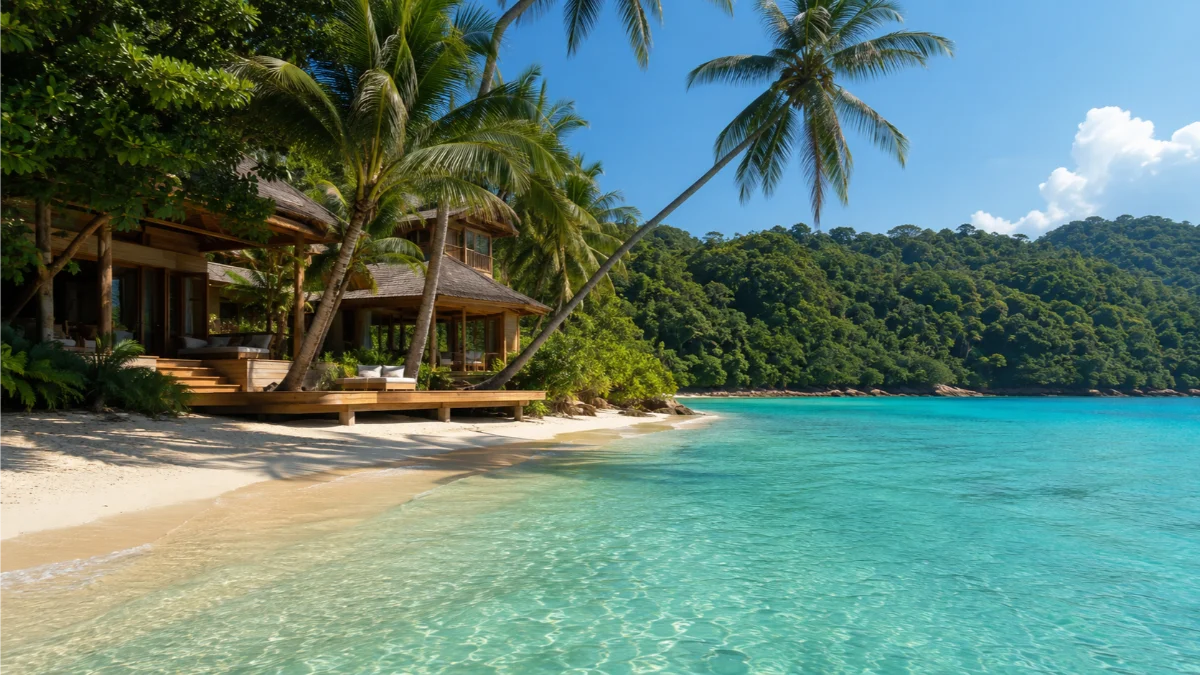
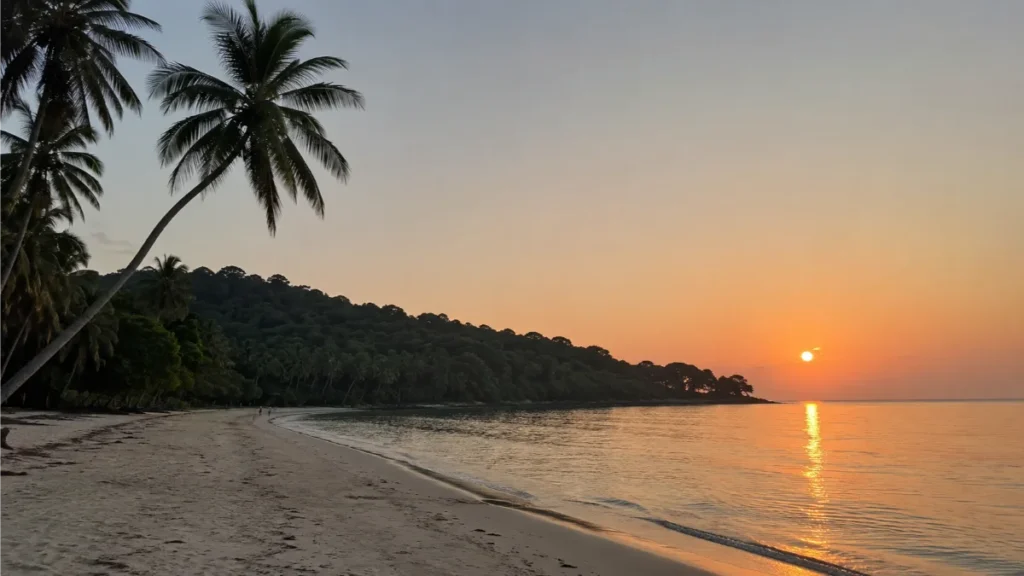
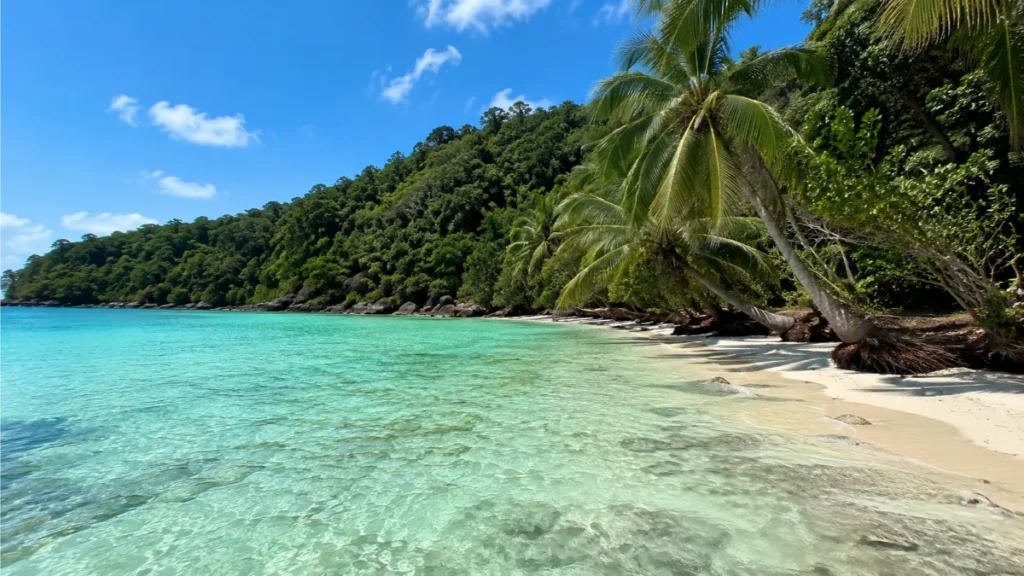
Spend the afternoon at Klong Chao Beach. The sand is soft, the water is calm, and the river canal behind the beach adds a unique landscape. As the sun drops, ride south to Klong Rahan Beach. Locals call it Secret Beach. Coconut palms lean over the water, and almost nobody is there.
For dinner, head to View Point Cafe by the river. Fresh seafood and Thai curries at honest prices. Order the whole grilled fish. You will not regret it.
Day 2: Waterfalls, Ancient Trees, and Fishing Villages
Wake up early. Head to Khlong Chao Waterfall before the day-trippers arrive. Follow the road behind the beach, pass the night market area, and look for the turn near Bartist cafe. The walk from the parking area takes about ten minutes through flat jungle trail.
After swimming at the falls, ride northwest to Khlong Yai Kee Waterfall. Pass Tolani Resort, find the junction behind the gas station, and turn right. Follow signs toward Klong Mad. The path down to the waterfall pool is steep and rocky.
I learned this the hard way. Even with proper trekking shoes, I slipped on a mossy rock and twisted my ankle on the descent. The stones look dry but they are coated in a thin layer of algae. Please do not attempt this in flip-flops. Even with solid hiking boots, watch every single step.
After the waterfall, continue to the ancient trees. Sai Yai is a massive banyan with hundreds of aerial roots crawling across the forest floor. Five minutes deeper into the jungle stands Makayuk, a 500-year-old makka tree. Locals wrap it in bright fabric and leave offerings for Nang Mai, the protective forest spirit.
Then drive to Huang Nam Khieo waterfall. Guides still call it the “secret waterfall” but a wide gravel road and visitor center now make access easy. Steep concrete stairs lead down to the canyon. The climb back up is a workout, so pace yourself.
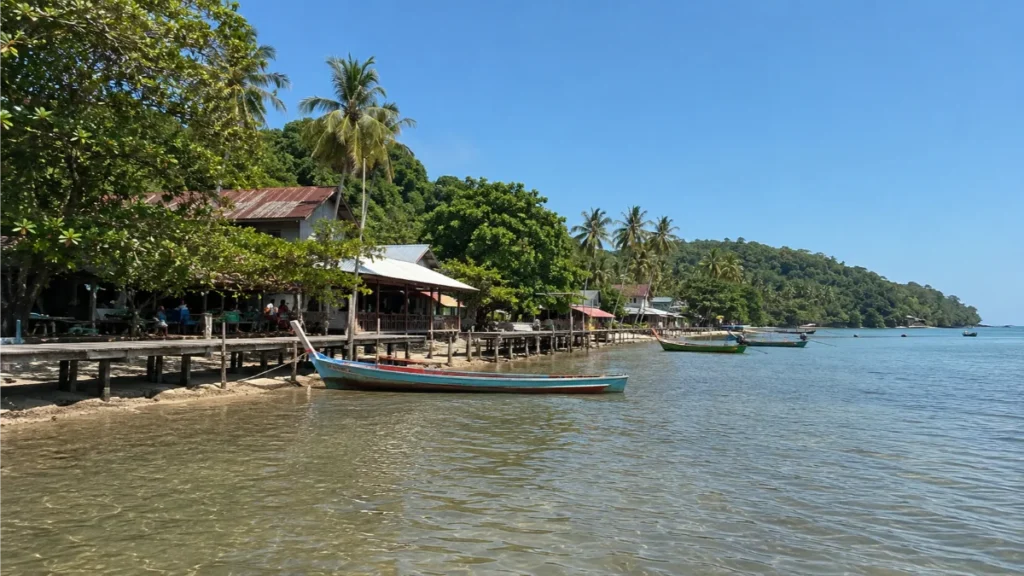
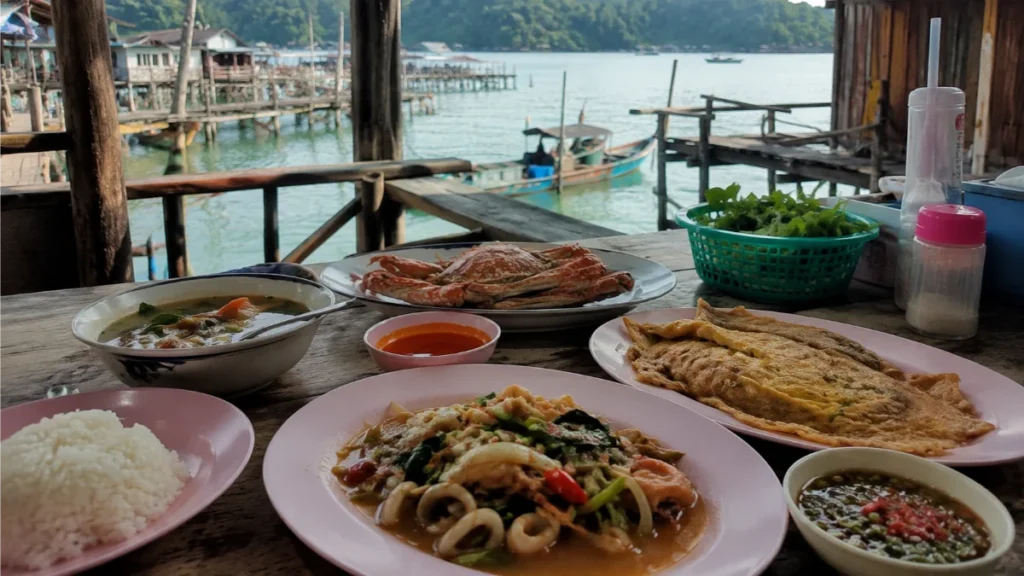
End the day at Ao Yai fishing village on the east coast. Walk through the stilt houses and eat dinner at Noochy Seafood. The grilled lobster and fresh crab are the island’s best.
Day 3: Koh Raet Snorkeling and Departure
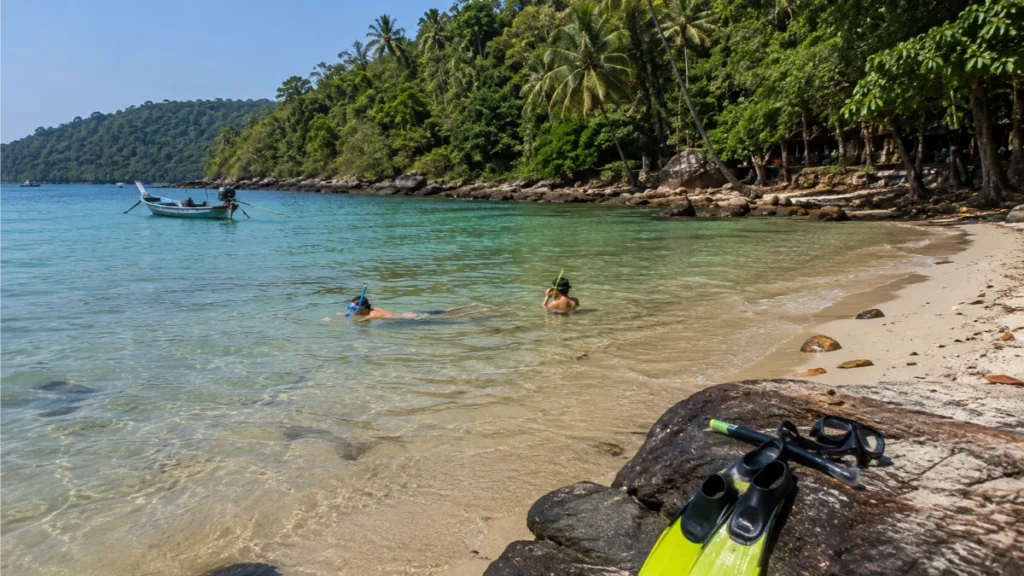
Start at Bang Bao Bay. Rent a kayak and paddle through the calm, crystal-clear water. Photograph the iconic wooden bridge. Then grab your snorkel gear and head toward Koh Raet.
The underwater sculpture garden at Koh Raet is surrounded by coral and tropical fish. After snorkeling, stop at Koh Raet Sashimi Man. This tiny operation pulls sea urchin and fish straight from the cage and serves it within seconds. It is one of the most unique dining experiences in all of Thailand.
If you want a guided experience, book the full-day Koh Rang snorkeling tour. It covers three snorkel spots with lunch included. For a shorter option, the speedboat snorkeling tour runs around four hours. Certified divers should check the two-dive trip to the reef sites. You can also book through Klook for a PADI 5-star center experience.
After lunch, pack up, transfer to the pier, and catch the afternoon ferry back to the mainland.
Discovering Secret Waterfalls: Khlong Chao and Huang Nam Khieo
Koh Kood hides some of Thailand’s most beautiful koh kood waterfalls inside its jungle interior. All waterfalls on the island are free to visit. There are no national park fees, no parking charges, and no entrance tickets.
Khlong Chao Waterfall
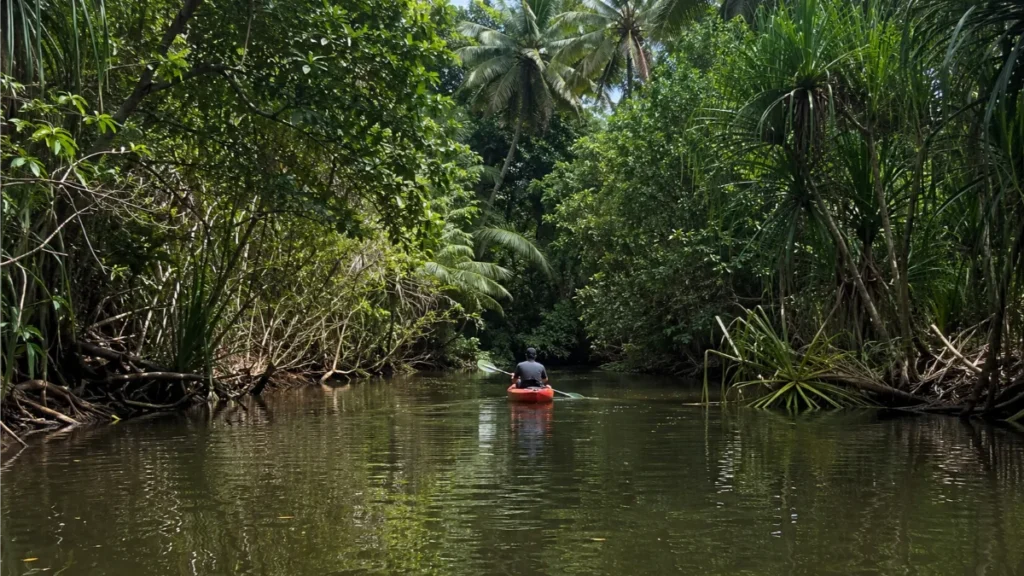
This three-tiered waterfall is the island’s most popular freshwater swimming spot. You can walk there from Klong Chao Beach by following the river path past the night market. Alternatively, rent a kayak and paddle upstream through the mangroves until you reach the trailhead.
The lower pool stays deep enough for swimming even in high season. Morning visits give you the best chance of having the place to yourself.

Huang Nam Khieo and the Ancient Trees
Forget what older travel blogs tell you. This waterfall is no longer a muddy jungle scramble. A two-lane gravel highway now runs directly to a large parking area and modern visitor center. The waterfall itself sits at the bottom of a steep canyon. During drier months, you can walk along the riverbed and find small natural jacuzzi pools between the granite boulders.
On the way, stop at the ancient trees. These living monuments put the island’s age into perspective. Standing next to a 500-year-old trunk wrapped in sacred cloth changes how you see this place.
Local Culture, Safety & Etiquette for International Visitors
Sandfly Defense
Koh Kood’s beaches are beautiful but sandflies are aggressive. They attack at dawn and sunset on windless days. DEET sprays do not always work against them. The most effective defense is cold-pressed coconut oil. The lauric acid in coconut oil acts as a natural repellent. Apply it generously before hitting the beach. It also creates a physical barrier on your skin.
The Border Situation and Travel Insurance
Thailand and Cambodia have an unresolved maritime border dispute near Koh Kood. Military clashes occurred on the land border in 2025. A ceasefire was declared in December 2025. The island itself has never experienced any military activity. Tourism continues normally.
However, Western governments still list the border zone as an advisory area. The UK FCDO and US State Department maintain travel warnings for areas within 50 km of the border. Koh Kood falls within this zone. Many travel insurance policies exclude claims from government-advised areas. A scooter accident or emergency surgery could leave you with a massive bill.
Contact your insurer in writing before departure. Ask specifically about Koh Kood coverage. Consider a policy that covers conflict or high-risk zones.
Medical Facilities
The island has limited medical infrastructure. Koh Kood Medical Link provides 24/7 nursing staff and telemedicine consultations with Bangkok Hospital Trat. For serious emergencies, a sea ambulance boat with life support equipment transfers patients to the mainland. Save these numbers: +66 63 221 9911 (local medical coordination) and 1669 (national emergency line).
Practical Tips
Ferry Booking. All ferries depart from Laem Sok Pier only. Centerpoint Pier is permanently closed. Last ferry leaves by 4 PM, so do not book evening flights to Trat if you plan to reach the island the same day. Book your ferry tickets in advance through 12go to secure your seat.
Scooter Safety. Roads on Koh Kood are steep and narrow. Rain turns them dangerously slippery within minutes. Always wear a full-face helmet and carry your international driving permit. Budget 200 to 400 THB per day for rental.
Cash is King. ATMs are scarce and often empty. Card machines fail regularly. Withdraw enough cash in Trat before boarding the ferry.
Coconut Oil Supply. Buy cold-pressed coconut oil from the minimarkets near Klong Chao. Apply it before every beach visit. Your skin will thank you.
Stay Connected. Grab a Thailand eSIM before your trip so you have data from the moment you land.
Plan Your Stay. For a full breakdown of beaches and hotels, read Where to Stay in Koh Kood: Best Luxury Eco-Resorts & Beach Bungalows. Need detailed ferry schedules and transfer options? Check How to Get to Koh Kood from Bangkok: Trat Ferry Schedules & Van Transfers.
FAQ
How many days do you need on Koh Kood? Three days is the sweet spot for most travelers. You can cover the major waterfalls, beaches, and a snorkeling trip without rushing. If you love slow travel, five days lets you explore every corner at a relaxed pace.
Is Koh Kood safe to visit in 2026? The island itself is very safe. There has been no military activity on Koh Kood despite the Thailand-Cambodia border tensions nearby. The main risks are scooter accidents on steep wet roads and sandfly bites on the beaches. Check your travel insurance coverage for the border advisory zone before departure.
What is the best time to visit Koh Kood?
The dry season runs from November to April. Ferry schedules are most frequent during this period. May through October brings monsoon rains, rougher seas, and some resort closures. The shoulder months of May and October can still offer good weather at lower prices.
Can you use credit cards on Koh Kood? Some resorts and larger restaurants accept cards, but do not rely on it. ATMs exist near Ao Tapao but they run out of cash frequently. Bring enough Thai baht from the mainland to cover your entire stay.
How do you get from Bangkok to Koh Kood? You have two options. The budget route is a combined bus and ferry ticket from Bangkok through operators like Boonsiri, costing 850 to 1,100 THB one way. The journey takes six to eight hours. The faster route is a Bangkok Airways flight to Trat Airport, followed by a transfer to Laem Sok Pier and a ferry. This cuts travel time significantly but costs more. Do not take the evening flight, as the last ferry departs by 4 PM.
Are there sandflies on Koh Kood? Yes, especially on quieter beaches like Ao Phrao. They are most active at dawn and dusk on calm days. Cold-pressed coconut oil with its natural lauric acid is the best repellent. Apply it before every beach session. Chemical sprays with DEET are less effective against sandflies.