The Ultimate Sumba Island Travel Guide: The New Bali? (2026)
This Sumba island travel guide covers an island that people call the new Bali. They are wrong. Sumba is not Bali’s replacement. It is what Bali felt like in the 1970s before commercialization changed everything. I came here because a friend told me this was the last truly raw island left in Indonesia. She was right. Megalithic stone tombs still get built by hand here. An animist belief system called Marapu still governs daily life. This is not a beach holiday. It is a journey.
Quick Info
| Info | Details |
|---|---|
| Best time to visit | April to October (dry season). Rainy season roads become dangerous |
| Currency | Indonesian Rupiah. Cash only outside main towns |
| Language | Sumbanese and Bahasa Indonesia. Very limited English |
| Getting there | Fly from Bali to Tambolaka (TMC) or Waingapu (WGP). Search and book transport connections here |
| Full transport guide | Sumba Island Car Rental with Driver |
| Visa | Visa on Arrival, $35, valid 30 days |
| Car with driver | Book a private car with driver for the island |
| eSIM | Stay connected with an eSIM |
| Malaria | High risk zone. Prophylaxis strongly recommended |
Is Sumba Worth Visiting? What to Expect Beyond the Luxury Resorts
So, is sumba worth visiting? Yes, but only if you arrive with the right expectations. This is not a polished destination with smooth roads and reliable Wi-Fi. Power cuts happen regularly, even at expensive hotels. Mobile signal disappears in deep valleys. The nearest proper hospital is hours away from most locations.
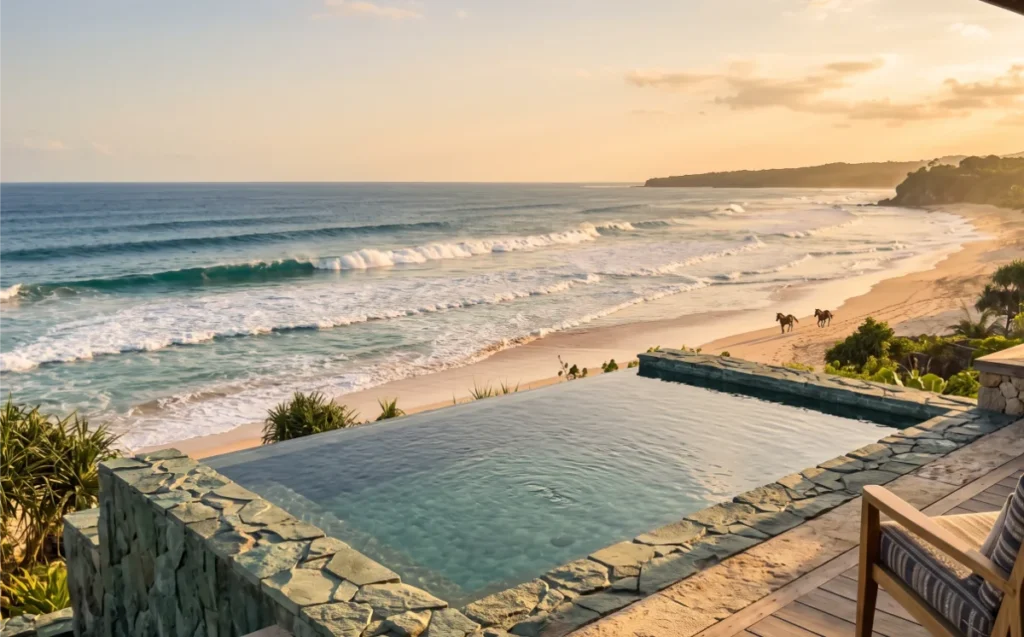
In return, you get something almost extinct in modern travel. Villages where ancient burial traditions continue unbroken. Coastlines where you are the only person on the beach for kilometers. Waterfalls hidden inside canyons that require local guides to find. The island operates on a “low volume, high value” tourism model that deliberately limits visitor numbers.
I came to Bwanna Beach expecting to see the famous rock arch from every Instagram post. When I got there it was gone. The whole thing collapsed in 2020 and nobody updated their blogs. For a moment I felt cheated. Then I looked around. The beach was still stunning, the coastline still wild, the water still impossibly blue. I came for the arch and stayed for everything else.
One serious safety note for this sumba island travel guide. Saltwater crocodiles inhabit river mouths, estuaries, and mangrove areas. Open ocean beaches and mountain waterfalls are safe. Never swim in rivers or near where rivers meet the sea. The Wainyapu estuary is particularly dangerous.
Unmissable Things to Do in Sumba Island
The best things to do in sumba split between the wild east and the developed west. Each side of the island delivers a completely different experience.
Chasing Hidden Waterfalls: Lapopu and Waimarang Guide
Lapopu Waterfall sits deep inside a rainforest in West Sumba’s Wanokaka region. The cascading tiers drop through lush green vegetation into a natural pool below. A local guide is mandatory here. The limestone rocks are dangerously slippery and the river current changes without warning. Book a guided Lapopu waterfall tour with village visit for the safest experience.
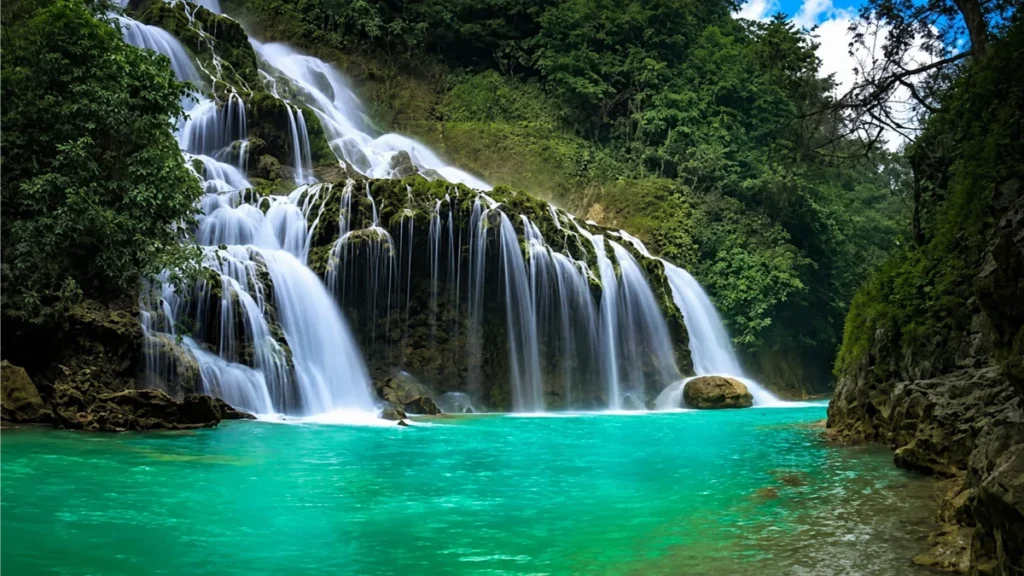
Waimarang Waterfall hides in a canyon in East Sumba. The turquoise pool at the base looks unreal. However, reaching it requires a one-kilometer steep descent on a dirt trail. In rainy season this path becomes genuinely treacherous with mud slides. Non-slip shoes are absolutely essential regardless of season.
Tanggedu Canyon demands a 4×4 vehicle or a local motorbike transfer to reach. The reward is a dramatic waterfall system cutting through deep rock formations. Weekuri Lagoon in the west offers the opposite experience. This enclosed saltwater pool is calm, safe, and perfect for floating.
Exploring the Megalithic Villages of West Sumba
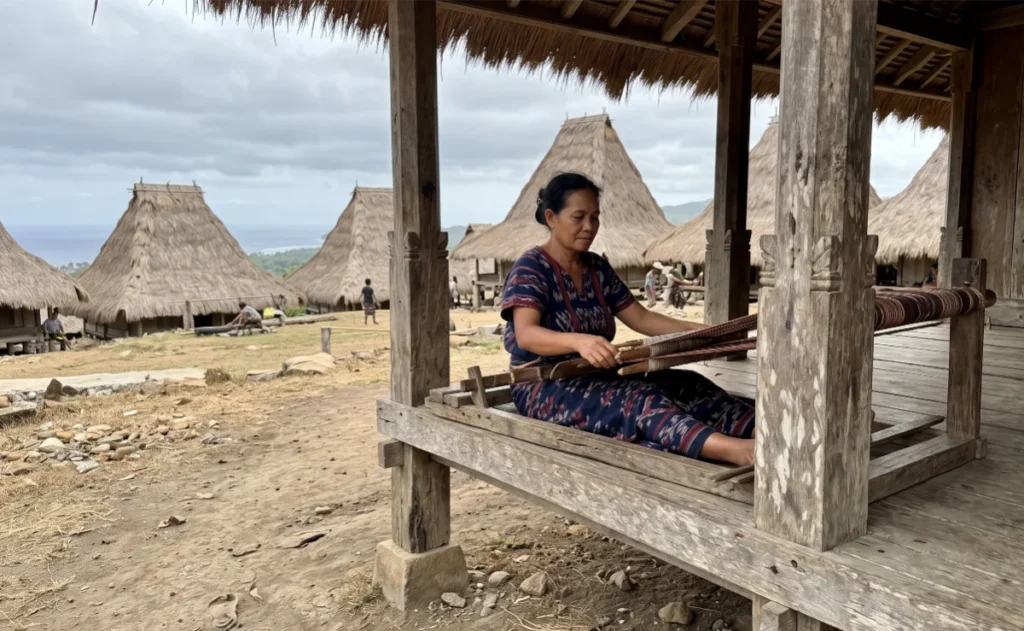
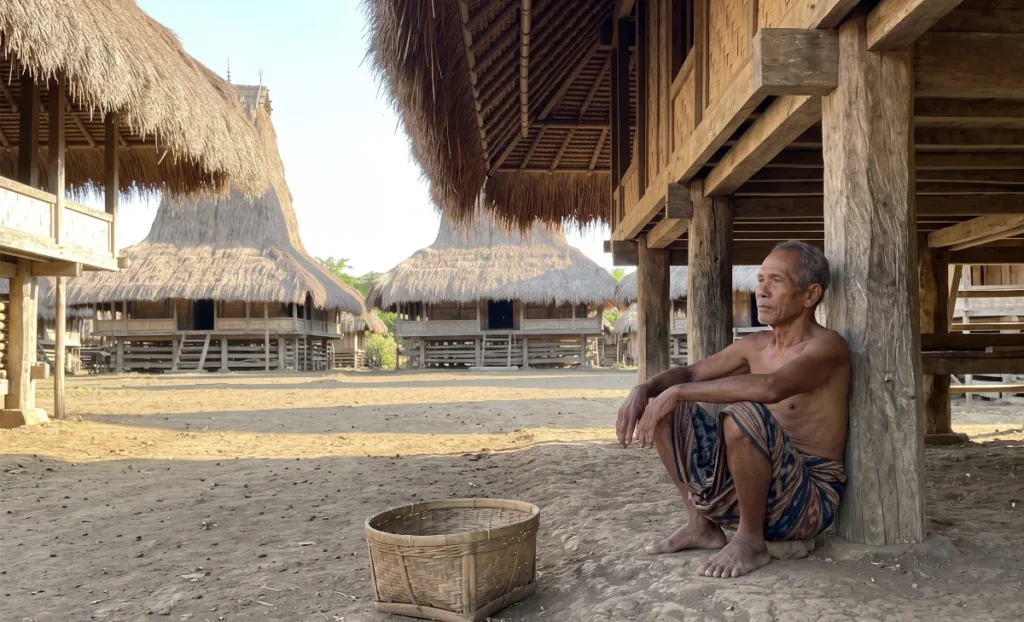
Sumba’s villages are living museums, not tourist attractions. Kampung Prai Ijing won the 2026 ASEAN Sustainable Tourism Award for its community-based approach. The high-roofed traditional houses are still built by hand using ancestral techniques. Enormous stone tombs in the village center are active burial sites, not relics.
In East Sumba, Rende village is famous for its royal tombs and Ikat weaving workshops. Ratenggaro sits on the ocean’s edge with dramatic clifftop houses. To enter any village, you must first meet the Rato, the community elder. A local guide handles this introduction and ensures proper cultural protocol.
Best Time to Visit Sumba (Dry vs Rainy Season Realities)
The dry season runs from April through October. Skies stay clear and roads remain passable. July and August bring the strongest surf swells to the southern coast.
The rainy season from November through March transforms the island. Dirt roads become impassable mud. Waterfall trails turn dangerous. River levels rise sharply, increasing crocodile encounters near estuaries. Some remote hotels reduce operations during this period. Unless you are an experienced adventure traveler, stick to the dry months.
Sumba Island Itinerary Ideas for Adventure Travelers
The most efficient route starts in East Sumba and moves westward. Fly into Waingapu, explore the eastern villages and waterfalls, then cross the island on the Trans-Sumba Highway toward Tambolaka. The highway is now fully paved and the crossing takes under four hours.
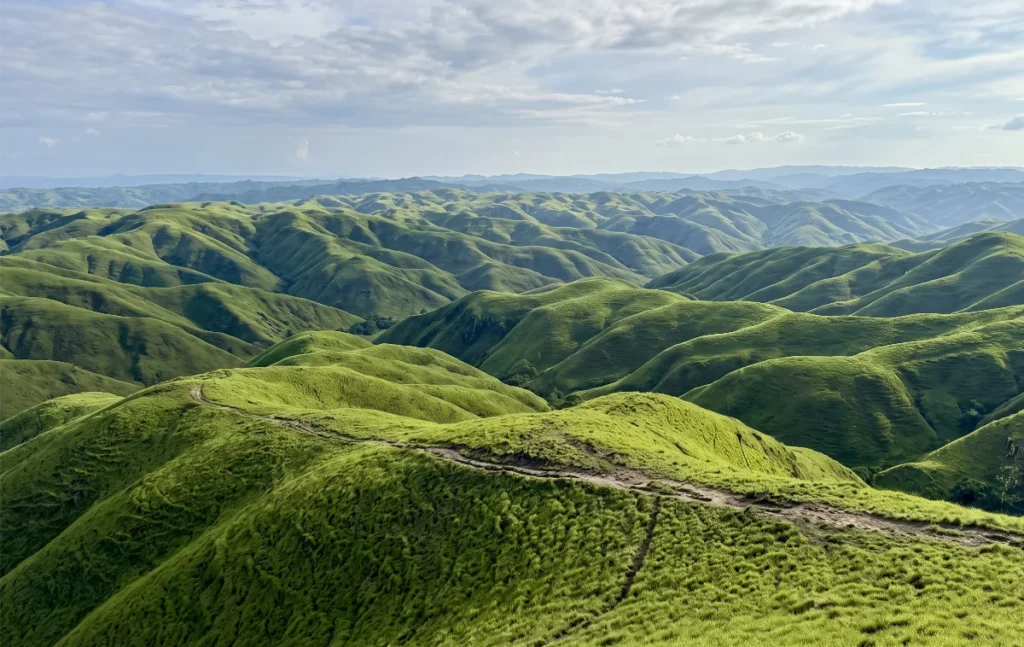
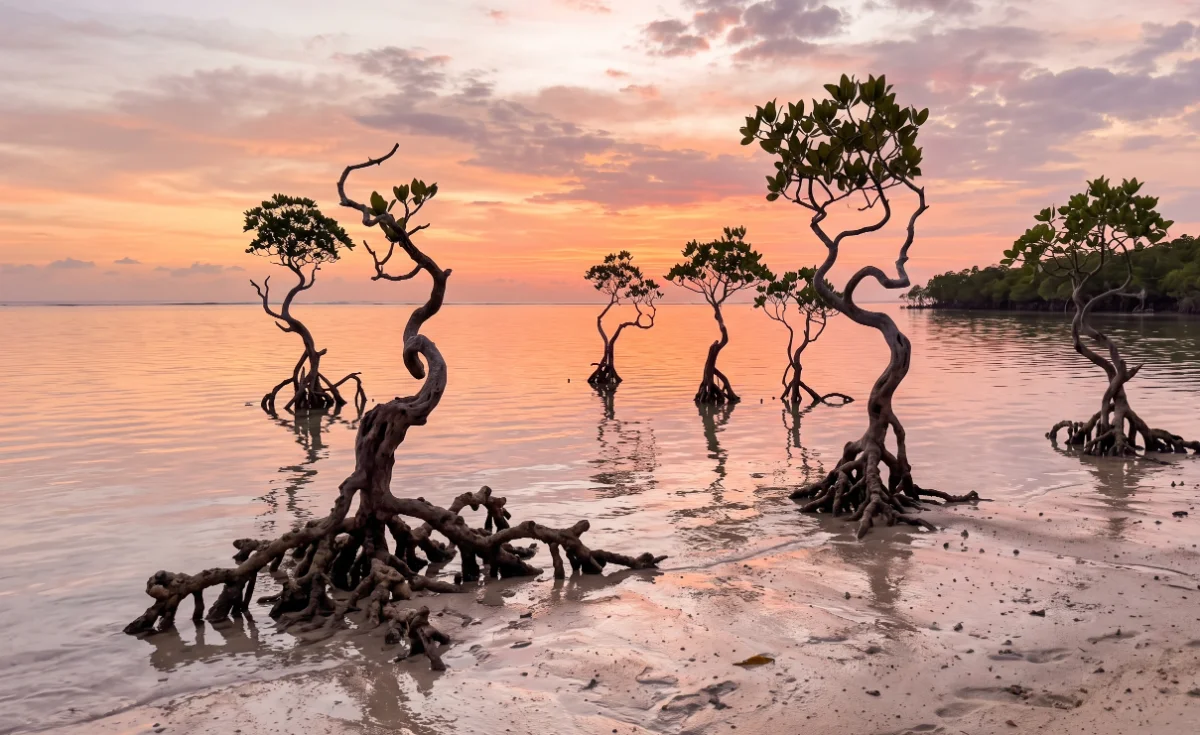
A seven-day itinerary works best. Spend two days in the east covering Rende village, Waimarang, Tanggedu, and the Walakiri Beach sunset among the mangrove silhouettes. Cross to the west on day four. Dedicate the remaining days to Prai Ijing, Lapopu, Weekuri Lagoon, and the Ratenggaro coastal village. Book the full 4-day guided Sumba crossing tour if you prefer someone else to handle the logistics.
Sumba Cultural Etiquette: Respecting the Marapu Traditions
Marapu is the animist belief system that governs Sumbanese life. Ancestral spirits inhabit specific stones, trees, and houses. Respecting this is not optional. It is the most important thing in this sumba island travel guide.
Never sit on, step on, or touch the megalithic tomb stones in village centers. Some stones mark sites where enemy heads were once displayed on sacred poles called Tiang Adung. These carry deep spiritual significance.
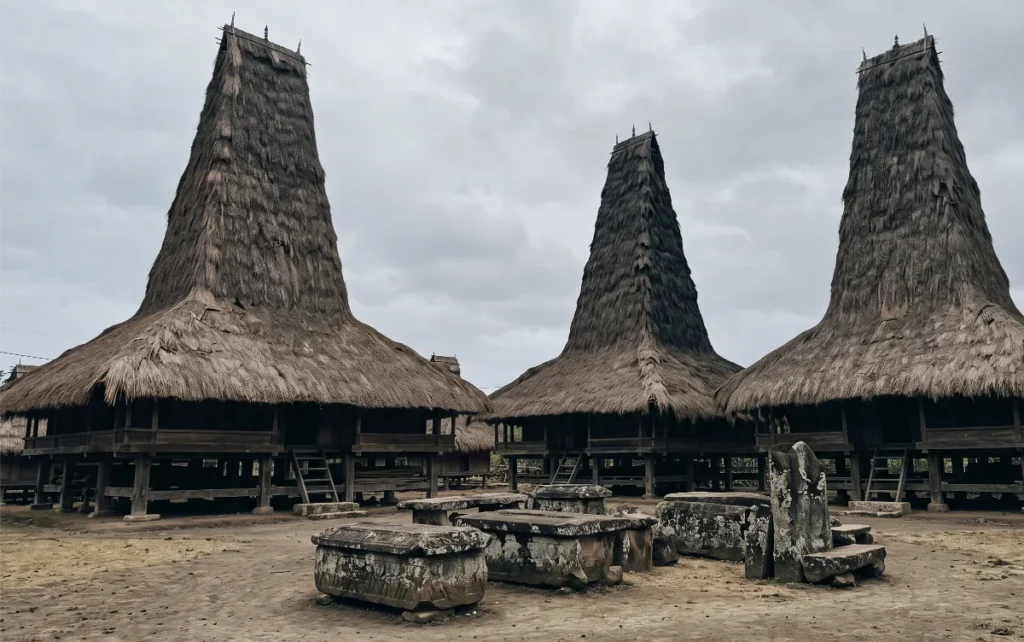
Before photographing anyone, ask permission by saying “Boleh?” which means “May I?” in Bahasa Indonesia. Village elders may request a small tip of 10,000 to 20,000 IDR. This is normal and respectful. Always cover your shoulders and knees when entering villages. Beach clothing in a traditional settlement is considered deeply disrespectful.
Practical Tips
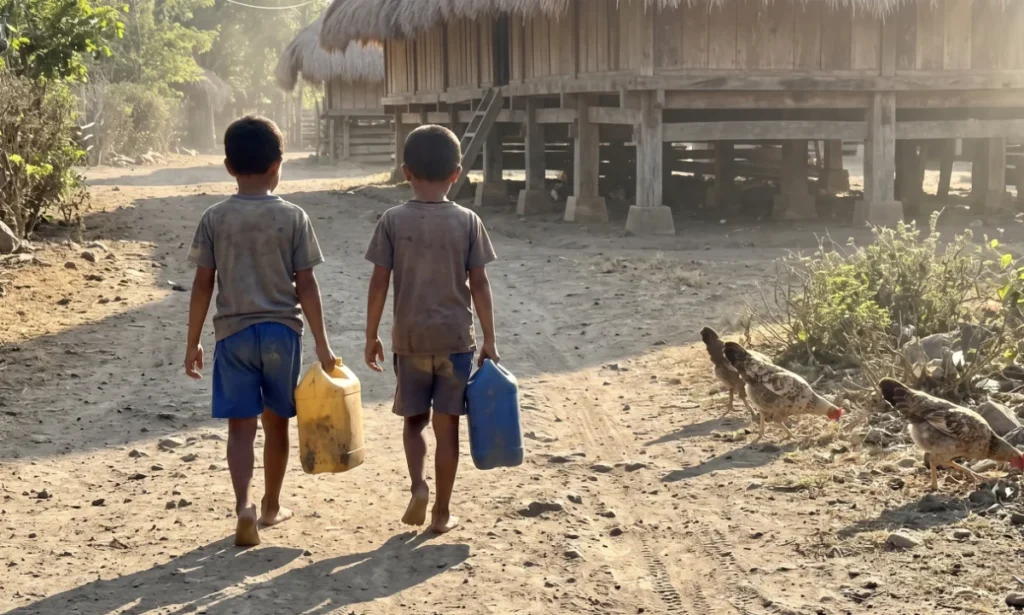
Hire a driver. Self-driving is dangerous on this island. Village roads are unmarked dirt tracks. GPS fails in deep valleys. A driver also acts as a cultural guide and translator. Book a private car with driver here.
Malaria is real here. Sumba has one of the highest malaria transmission rates in Indonesia. Start Doxycycline or Malarone before arrival. Use DEET repellent between dusk and dawn. This is not a low-risk destination.
Carry cash everywhere. ATMs exist only in Waingapu and Waikabubak. Villages, guides, and most local businesses accept cash only. Withdraw enough for several days before heading out.
Stay connected. Mobile signal drops in remote areas. Set up your eSIM before you fly in. Download offline maps for the entire island before arrival.
Where to stay. Where to Stay in Sumba covers ultra-luxury eco-resorts, mid-range surf camps, and budget options across both sides of the island.
FAQ
Is Sumba safe for tourists? Open ocean beaches and highland waterfalls are safe. River mouths and mangrove areas carry saltwater crocodile risk. Malaria prophylaxis is strongly recommended. Hiring a driver eliminates most road safety concerns.
How do I get to Sumba from Bali? Fly from Bali to Tambolaka (West Sumba) on daily jet services. Waingapu (East Sumba) is served by smaller propeller aircraft. The flight takes roughly 90 minutes. Full transport details here.
Do I need a driver on Sumba? Yes. Roads outside the main highway are unmarked dirt tracks. GPS fails in valleys. A driver also serves as translator and cultural mediator when entering tribal territories.
How many days do I need on Sumba? Seven days covers both sides of the island comfortably. Four days works for West Sumba only. Less than three days is too rushed to justify the journey.
Is Sumba the new Bali? No. Sumba is what Bali felt like fifty years ago. It is raw, remote, and deliberately uncommercial. If you want beach clubs and nightlife, stay in Bali. If you want something genuinely untouched, come here.